AI is turning ads from a human-targeting business into an agent-targeting one, and that shift could redraw where the biggest digital ad dollars flow.
AI agents could shift digital ad dollars
If software agents start booking flights, filling shopping carts and choosing clothes on a user’s behalf, the ad impression still matters — but the buyer on the other side of it may no longer be a person. That creates a new commercial battleground for Alphabet, Meta Platforms and Amazon, whose businesses already depend on matching ads to intent, and it gives OpenAI and other AI platforms a potential new revenue stream as they expand advertising into Europe.
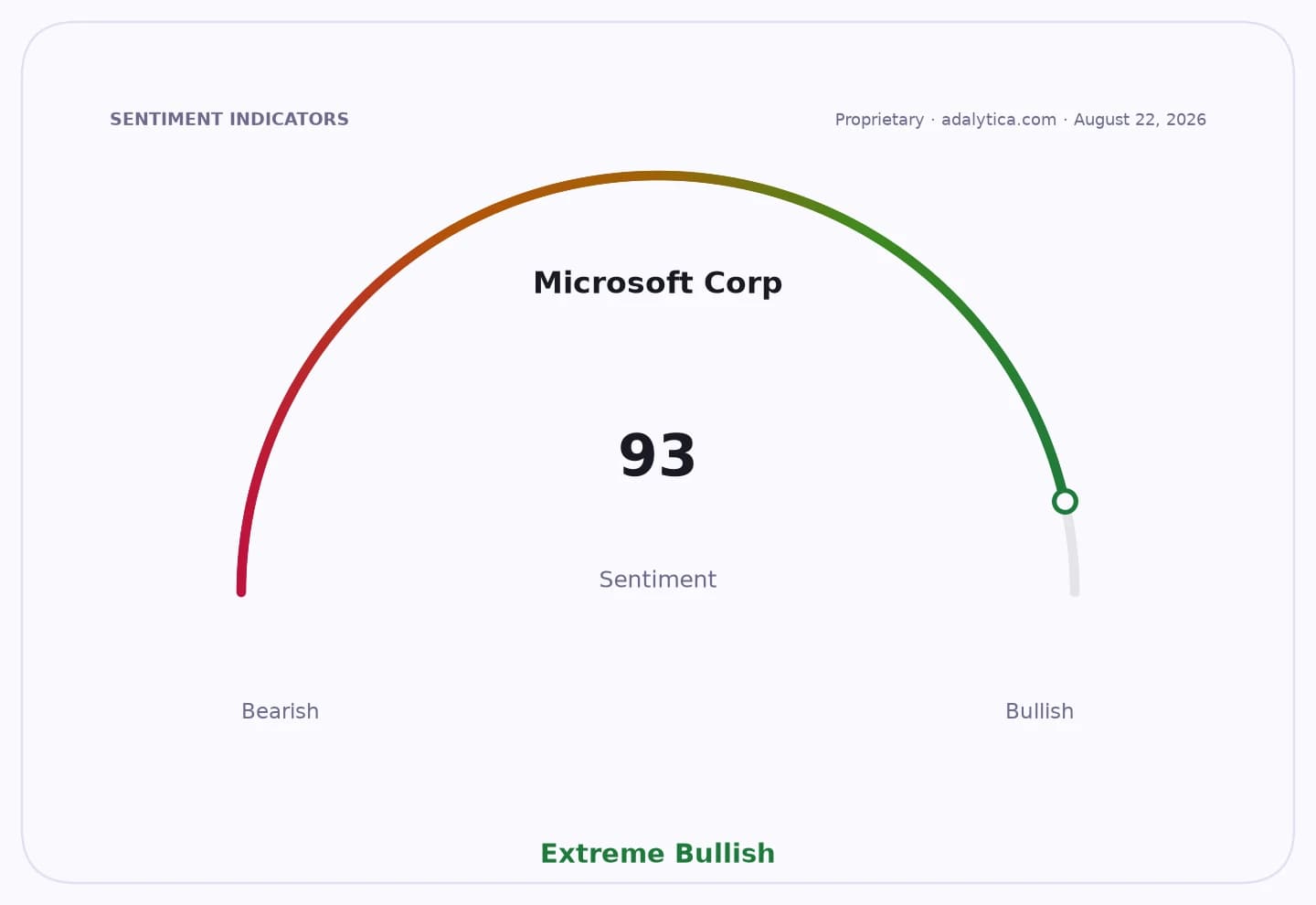
Sentiment IndicatorsⓘProprietary · adalytica.com · August 22, 2026
This is a snapshot — live sentiment, awareness and momentum for 130+ markets update continuously in the dashboard.Open AlphaPulse
The economics are straightforward: whoever controls the interface that an agent uses to search, compare and purchase can intercept a larger share of transaction value. That makes ad placement, product recommendations and sponsored results more valuable in agent-led commerce, especially if AI systems are trained to recognize preferences, price sensitivity and brand history from prior interactions.
The stakes are rising as OpenAI pushes its advertising business beyond the U.S. and Scandinavia into Germany and wider Europe, signaling that the monetization race is moving faster even as regulators sharpen scrutiny over AI safety and commercial use. For investors, that is important because the next phase of digital advertising may not hinge only on human attention and cookies, but on whether AI platforms can prove they can drive purchases at scale without eroding trust or running into stricter European rules.
Artificial Intelligence — 30-day sentimentadalytica.com
Explore this data interactively — full history, time series and cross-market comparisons.Open AlphaPulse
Alphabet shares have climbed to $344.82 from a recent low of $236.11, while Meta has fallen to $549.90 from $737 earlier this year and Amazon to $258.63 from a 2026 peak of $284.02, underscoring how differently investors are pricing the AI and ad outlook across the group. Alphabet’s stock remains above its 200-day moving average, while Meta and Amazon have slipped below theirs, a sign of weaker near-term momentum even as AI monetization remains a core narrative.
The broader market context is mixed. Adalytica’s AI sentiment reading is neutral at 48, while Microsoft’s earnings sentiment sits at 93, reflecting strong enthusiasm for the AI stack even as awareness remains low. For the ad-dependent platforms, the key question is whether AI agents become another layer that boosts auction value and conversion rates — or a new gatekeeper that takes control of the customer relationship away from traditional publishers and ad networks.
Investors will be watching for more detail on how OpenAI and its rivals intend to price sponsored placements, how regulators respond in Europe, and whether Alphabet and Meta can adapt their ad tools quickly enough to keep control of agent-driven commerce.
| Entity | Gains | Losses |
|---|---|---|
| OpenAI | ▲New ad revenue | ▼Regulatory scrutiny |
| Alphabet | ▲More AI ad inventory | ▼Weaker control if agents bypass search |
| Meta Platforms | ▲Higher conversion from AI targeting | ▼Human attention dependence |
| Amazon | ▲Agent-led shopping traffic | ▼Margin pressure from new intermediaries |