Artificial intelligence may be about to do to modern democracies what oil has long done to petrostates: enrich societies while narrowing the share of people who have economic leverage over the state.
AI Concentration Risks for Democracies and Markets

That matters because the biggest political risk from AI is not lower output, but concentrated prosperity. If the gains from automation accrue mainly to a handful of firms and their owners, governments could face a weaker tax base, less pressure to invest in workers, and more room for elite capture — a mix that has historically produced weaker democratic accountability.
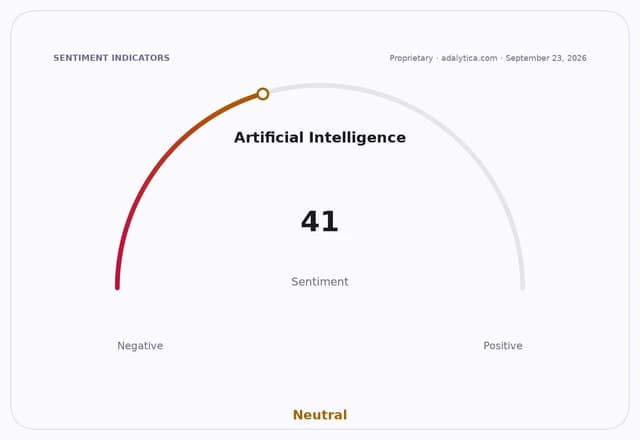
Sentiment IndicatorsⓘProprietary · adalytica.com · September 23, 2026
This is a snapshot — live sentiment, awareness and momentum for 130+ markets update continuously in the dashboard.Open AlphaPulse
The analogy to oil-rich states is economic, not rhetorical. AI is capital intensive, scales fast and tends toward winner-take-most market structures because of the huge costs of frontier model development, compute and vertically integrated infrastructure. That gives the largest players the kind of rent-producing power that, in other sectors, has often been associated with highly unequal political economies.
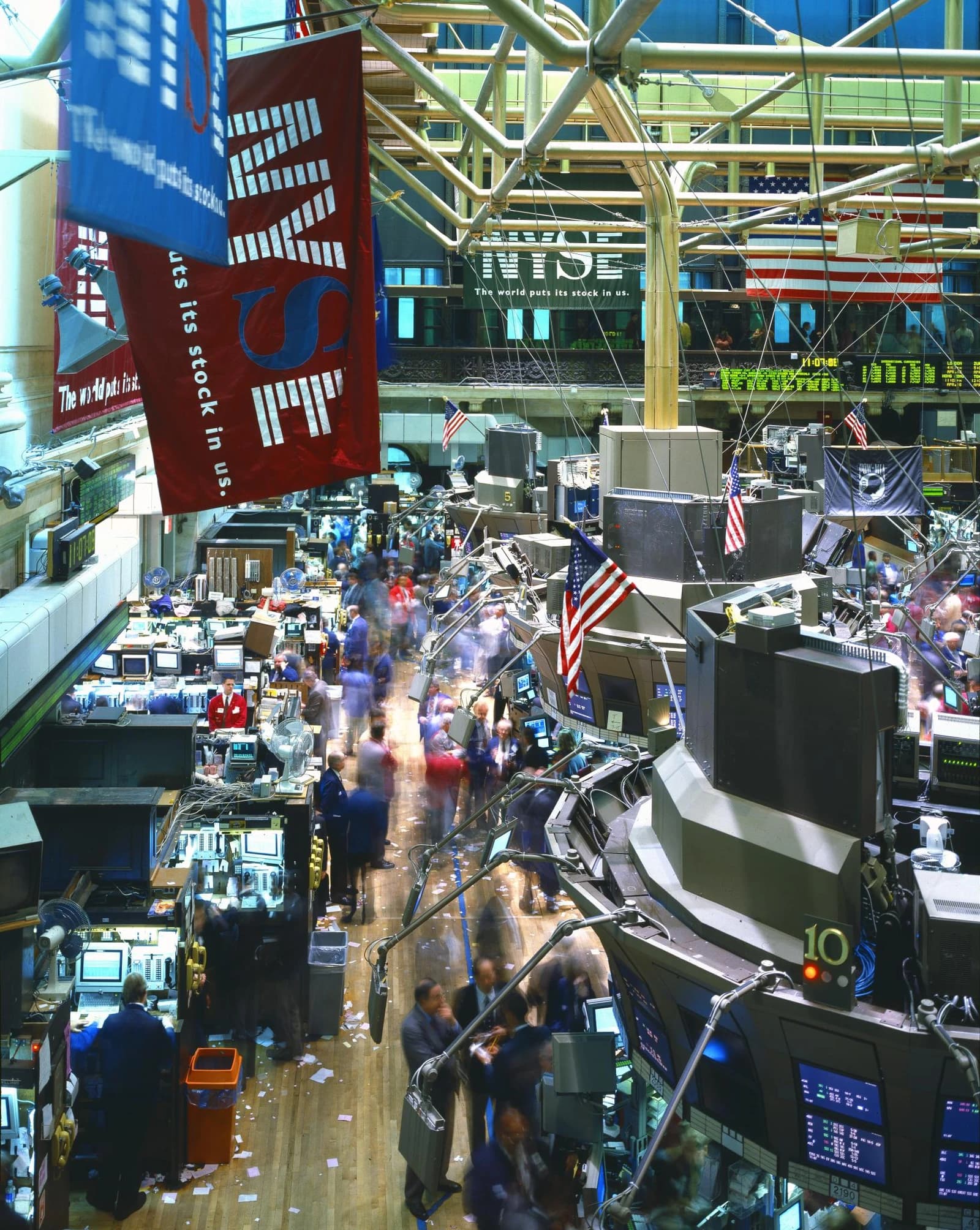
The concern is already visible in the market. The S&P 500, tracked by SPY, closed at 767.81 on Sept. 23, just below its 50-day moving average of 759.17 and far above its 200-day average of 713.92, while the Nasdaq-100 proxy QQQ ended at 741.21, also comfortably above its 200-day average of 662.94. Both benchmarks remain elevated, but the rally is being driven by a narrow set of AI-linked winners, reinforcing the idea that gains are concentrating rather than broadly diffusing through the economy.
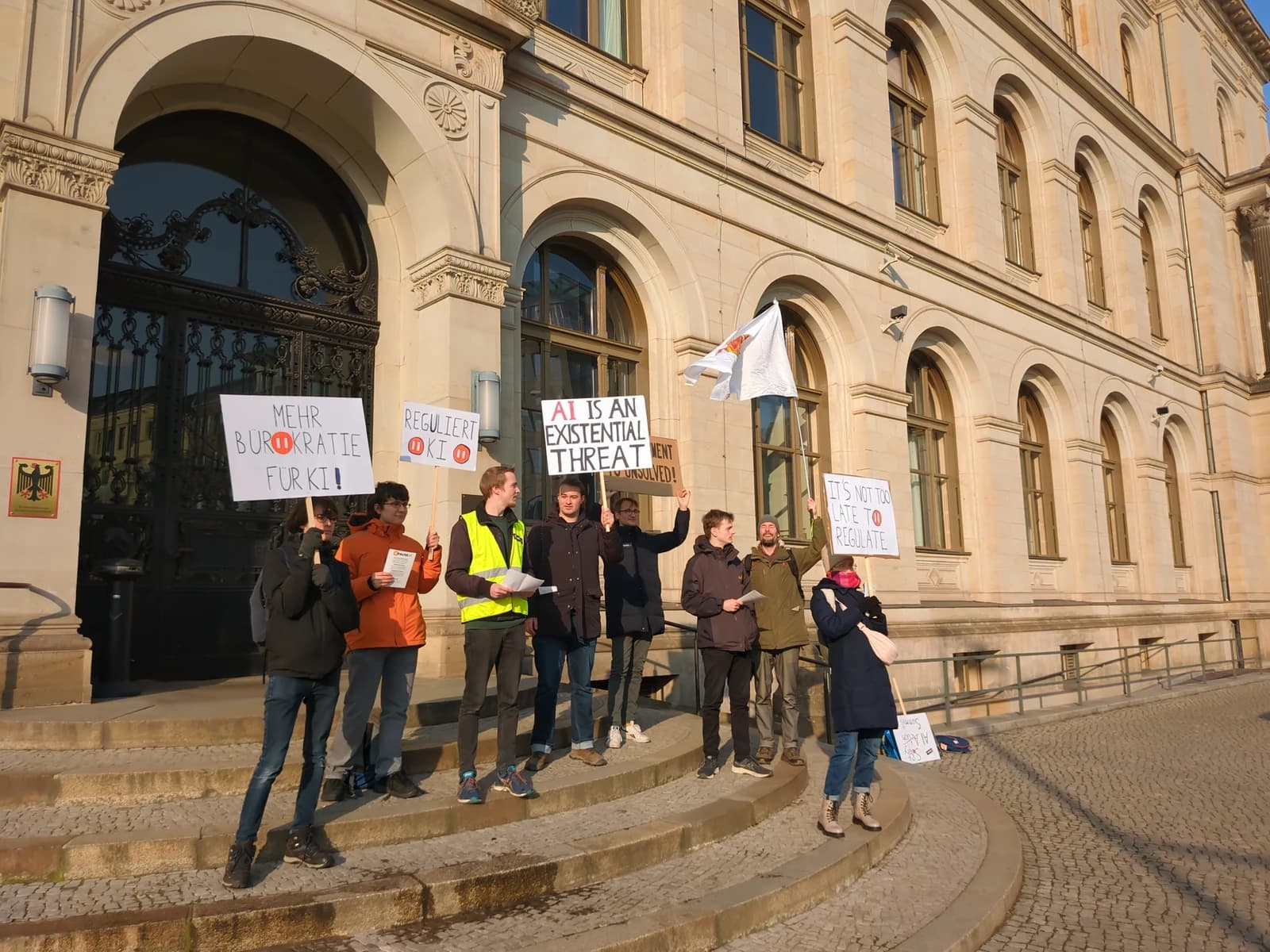
That concentration matters to investors because it can create a more brittle economic and policy backdrop. If AI reduces the bargaining power of labor while raising the profitability of a few platform and chip companies, governments may lean more heavily on those firms for growth, tax revenue and technological capacity — increasing the risk of regulatory capture, antitrust scrutiny and political backlash.
The strain on labor is the other half of the story. AI is already automating tasks once handled by early-career white-collar workers, and paired with robotics it could push further into manufacturing and trade-related jobs. In that scenario, the labor market could feel stuck in a permanent slowdown even if GDP keeps growing, echoing the “rich but detached” structure seen in oil states where output rises without broad citizen bargaining power.
That is what makes the political angle economically relevant. Democracies historically thickened when states needed broad tax bases and large labor forces to fund armies, infrastructure and public services. AI could reverse that by narrowing both the taxable base and the number of citizens whose work is central to growth.
The risk is not inevitable. If AI becomes more like a general-purpose technology with broad diffusion, wages and productivity could rise together. But if the industry keeps its current scale advantages and model rents remain concentrated in chips, data centers and a small group of frontier firms, the more likely outcome is an economy that looks richer and more unequal at the same time.
For investors, that means watching not just AI earnings and chip demand, but also the policy response. Taxes on compute, robotics, data use and platform power would change the economics of the sector quickly, while looser rules could entrench incumbents and support margins for longer. The next phase of the AI trade may be decided as much in legislatures and regulators as in earnings calls.
| Entity | Gains | Losses |
|---|---|---|
| AI giants | ▲Rent concentration, pricing power | ▼Antitrust and tax pressure |
| Chipmakers | ▲Compute demand, capital intensity moat | ▼Policy moves on compute taxes |
| Workers | ▲Higher productivity if gains spread | ▼Bargaining power, wage growth |
| Democratic institutions | ▲Broader tax base if AI diffuses | ▼Capture risk if rents narrow |