AI-driven flood models are extending usable warning windows to as long as 12 weeks, a development that could materially improve disaster preparation, reshape water-risk pricing and pressure governments and insurers to act earlier.
AI flood models extend warning windows to 12 weeks
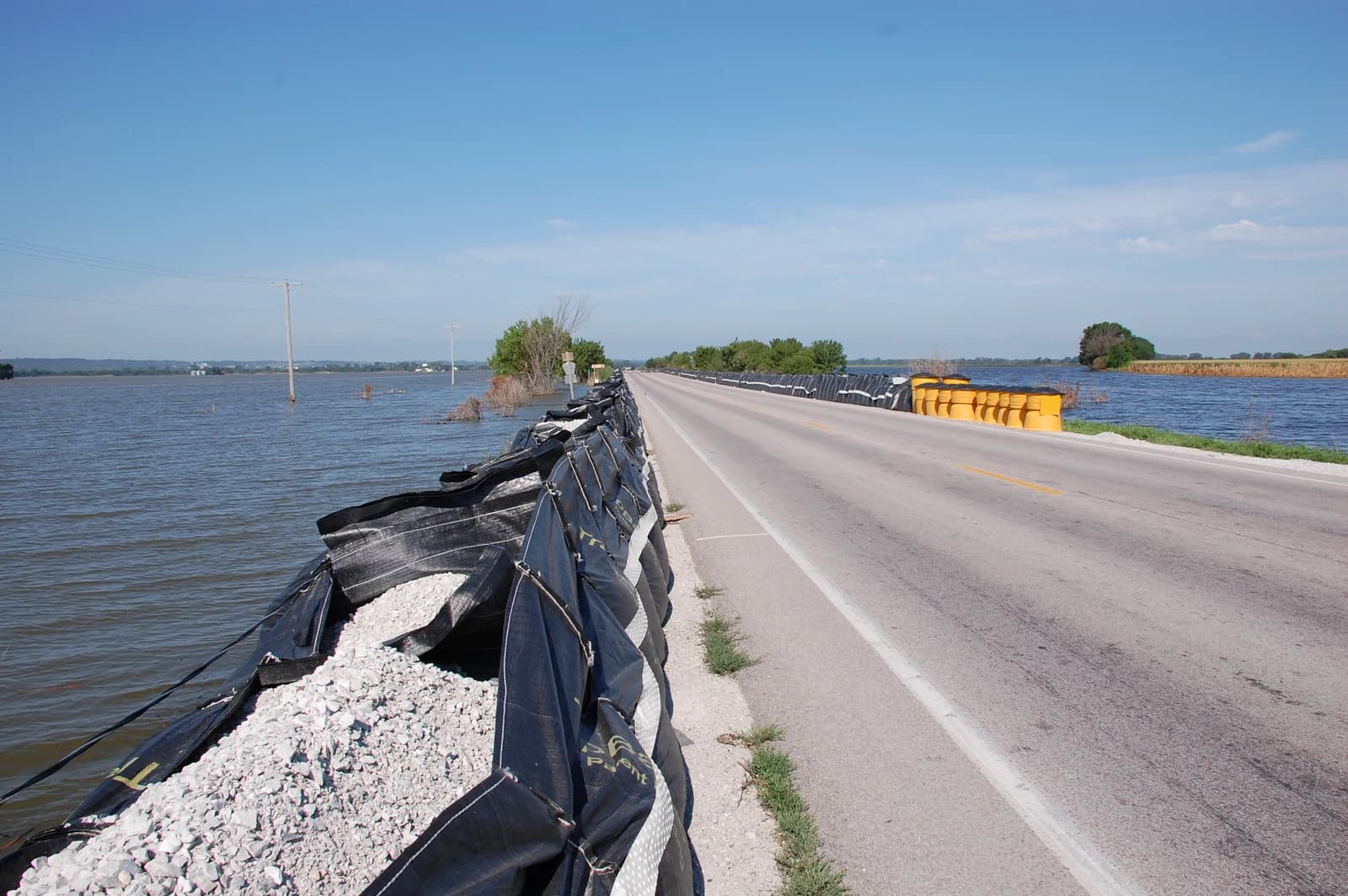
The research, led by scientists at the University of Technology Sydney and published in the Journal of Hydrologic Engineering, uses 20 years of rainfall and streamflow data from Illinois’ DuPage River basin to train deep-learning models with attention mechanisms. By combining forecasts from multiple models, the researchers said they cut error by about 38%, while their proposed data-aggregation framework improved forecasting efficiency by roughly 47%.
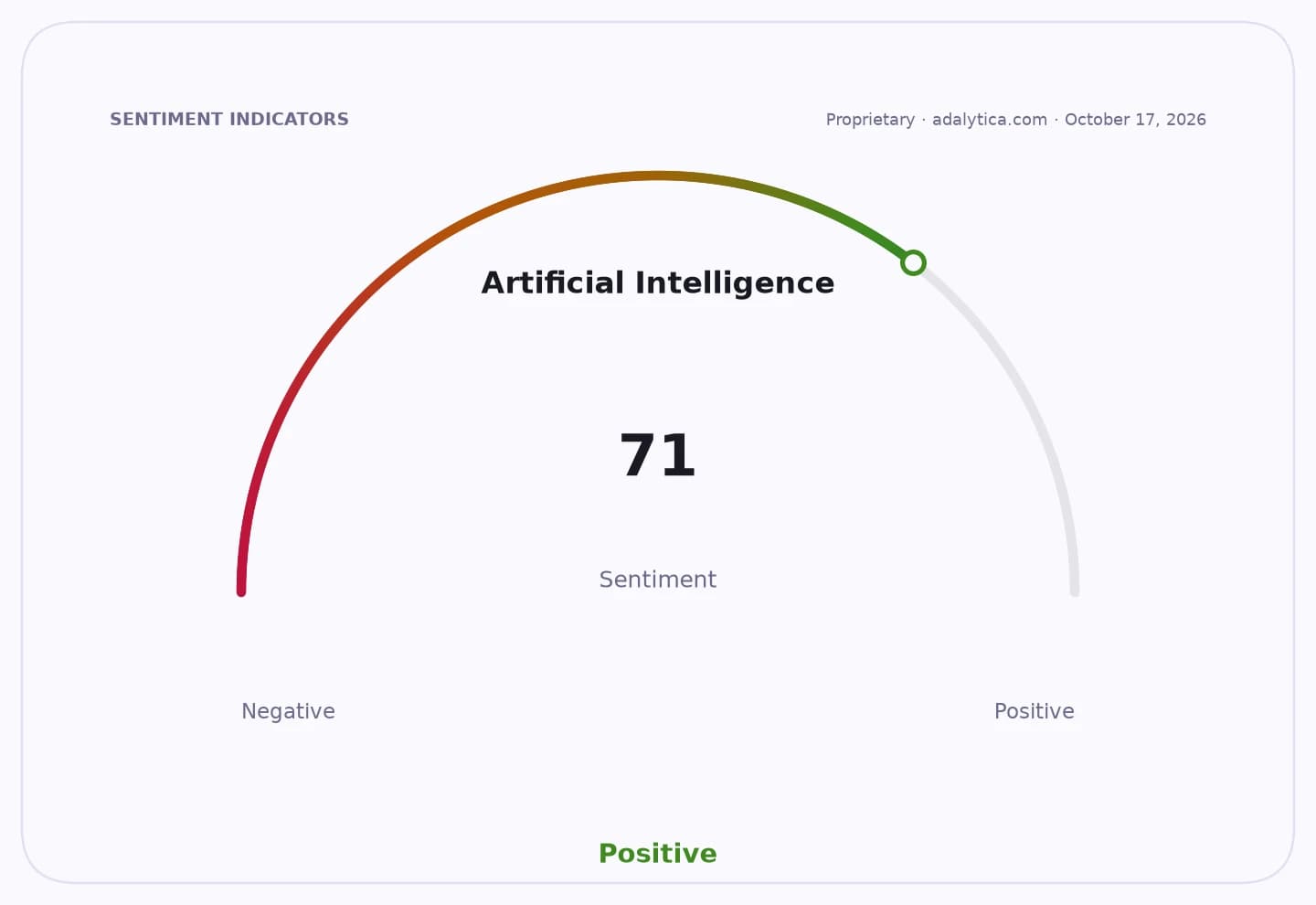
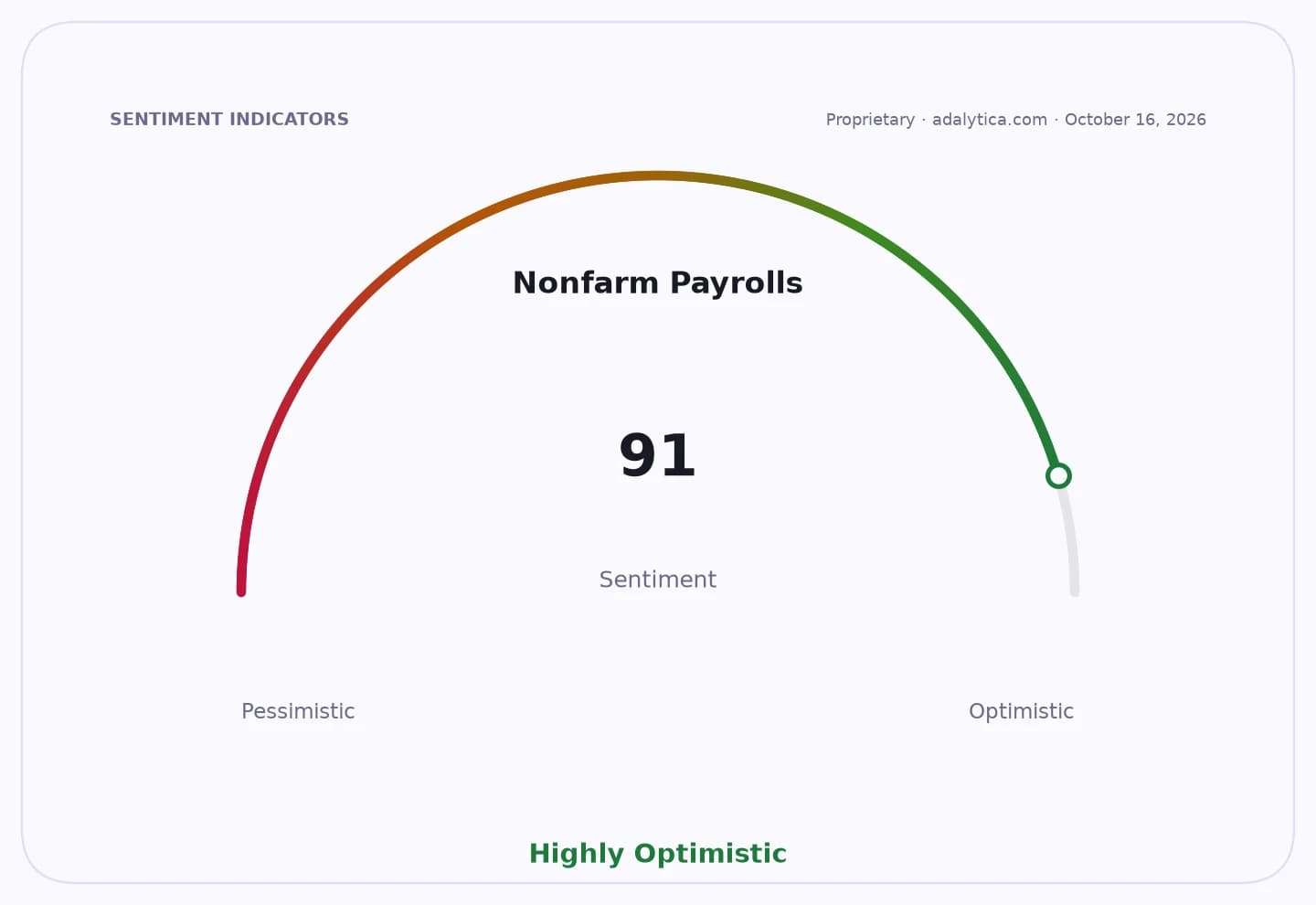
Sentiment IndicatorsⓘProprietary · adalytica.com · October 14, 2026
This is a snapshot — live sentiment, awareness and momentum for 130+ markets update continuously in the dashboard.Open AlphaPulse
That matters because flood losses are increasingly a balance-sheet issue, not just a weather problem. Longer lead times can give municipalities, utilities and businesses more room to stage emergency crews, protect critical assets and move supplies before rivers overflow. For insurers and reinsurers, better flood prediction can support more selective underwriting, finer pricing and improved accumulation management in vulnerable regions where repeated losses have become harder to absorb.
The potential commercial implications are broad. Property and casualty insurers, catastrophe-model providers, infrastructure operators and local governments all stand to benefit if forecast accuracy improves enough to turn alerts into decisions. Aon, which advises clients on climate and catastrophe risk, and peers across the risk-transfer market have been pushing more sophisticated climate analytics as flooding and other extreme-weather events intensify globally. Better lead times could also aid credit assessment for public infrastructure and municipal bonds exposed to climate damage.
The study’s key claim is that the method retains high accuracy up to 12 weeks out, a horizon that would be unusually long for flood planning if it proves durable outside a single river basin. That is the bull case for adoption: earlier warnings, lower losses and better capital allocation. The bear case is deployment risk. Forecasts are only as useful as the institutions using them, and the researchers themselves noted that the harder problem may be translating predictions into effective response.
For investors, the important takeaway is that AI is moving from retrospective climate analysis toward operational risk management. If the technique scales across basins and weather regimes, it could become a valuable input for insurers, catastrophe modelers, infrastructure investors and governments trying to price and prepare for a warmer, wetter world. The next test is whether the model can generalize beyond one watershed and whether emergency planners can turn longer warnings into lower claims and fewer disruptions.
| Entity | Gains | Losses |
|---|---|---|
| Insurers and reinsurers | ▲Better catastrophe pricing | ▼Less premium from underpricing risk |
| Cities and utilities | ▲More prep time | ▼Higher adaptation demands |
| Aon and risk advisers | ▲Stronger climate analytics demand | ▼Execution risk if tools disappoint |
| Property owners in flood zones | ▲Earlier warnings | ▼Greater scrutiny on exposure |