AI projects are failing far more often because companies do not change how they work than because the technology is broken, a message from the AI Tech Summit Belgrade 2026 that lands as investors demand proof that artificial intelligence can produce profits, not just demos.
AI projects fail without workflow changes
The clearest takeaway from the two-day summit in Belgrade is that AI adoption is becoming a business transformation problem, not an IT procurement exercise. Speakers from Microsoft, HTEC and OpenAI said companies that simply layer AI on top of old workflows risk creating technical debt, weak controls and stalled pilots, while firms that redesign processes, assign ownership and train staff are more likely to turn AI into measurable returns.
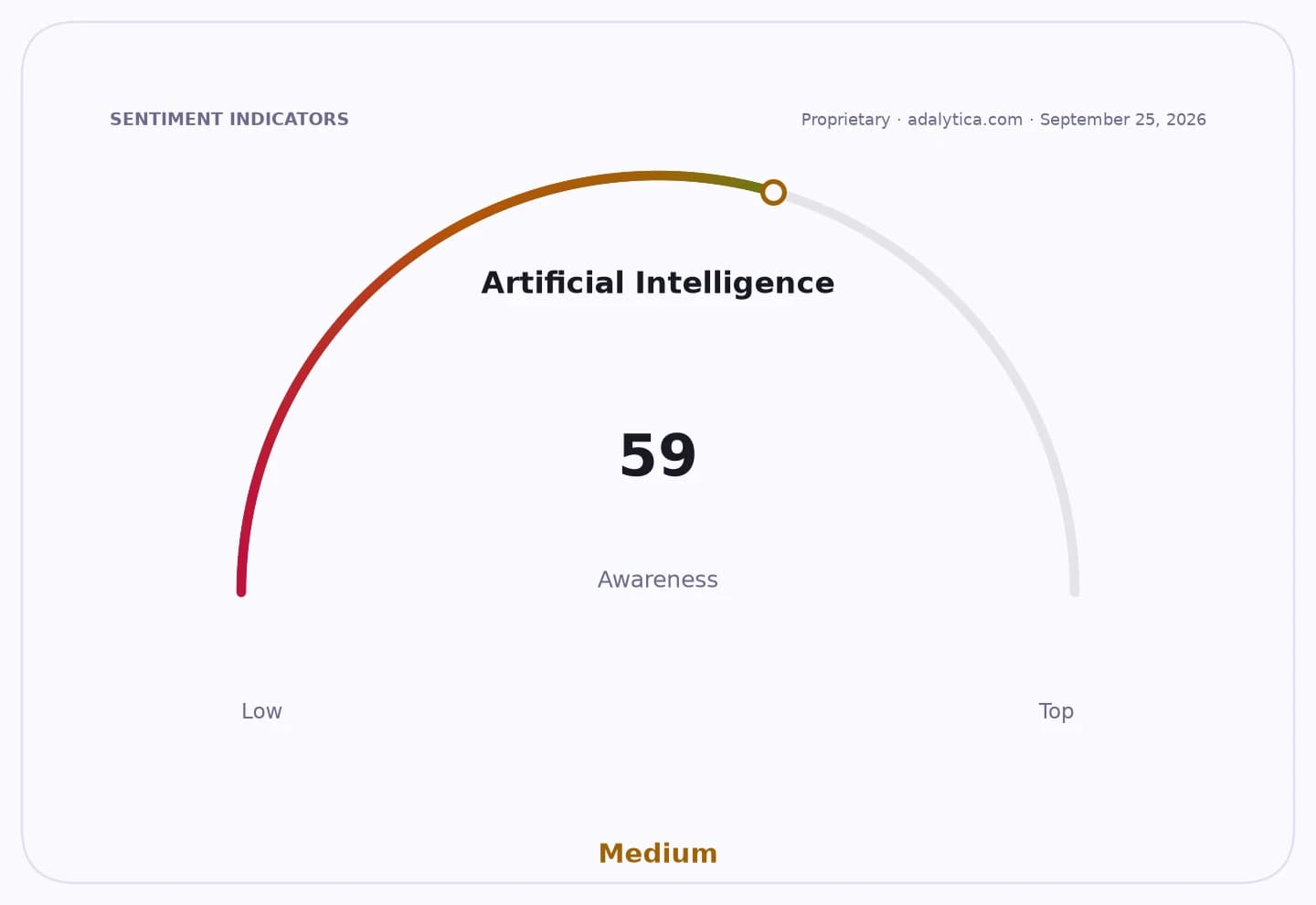
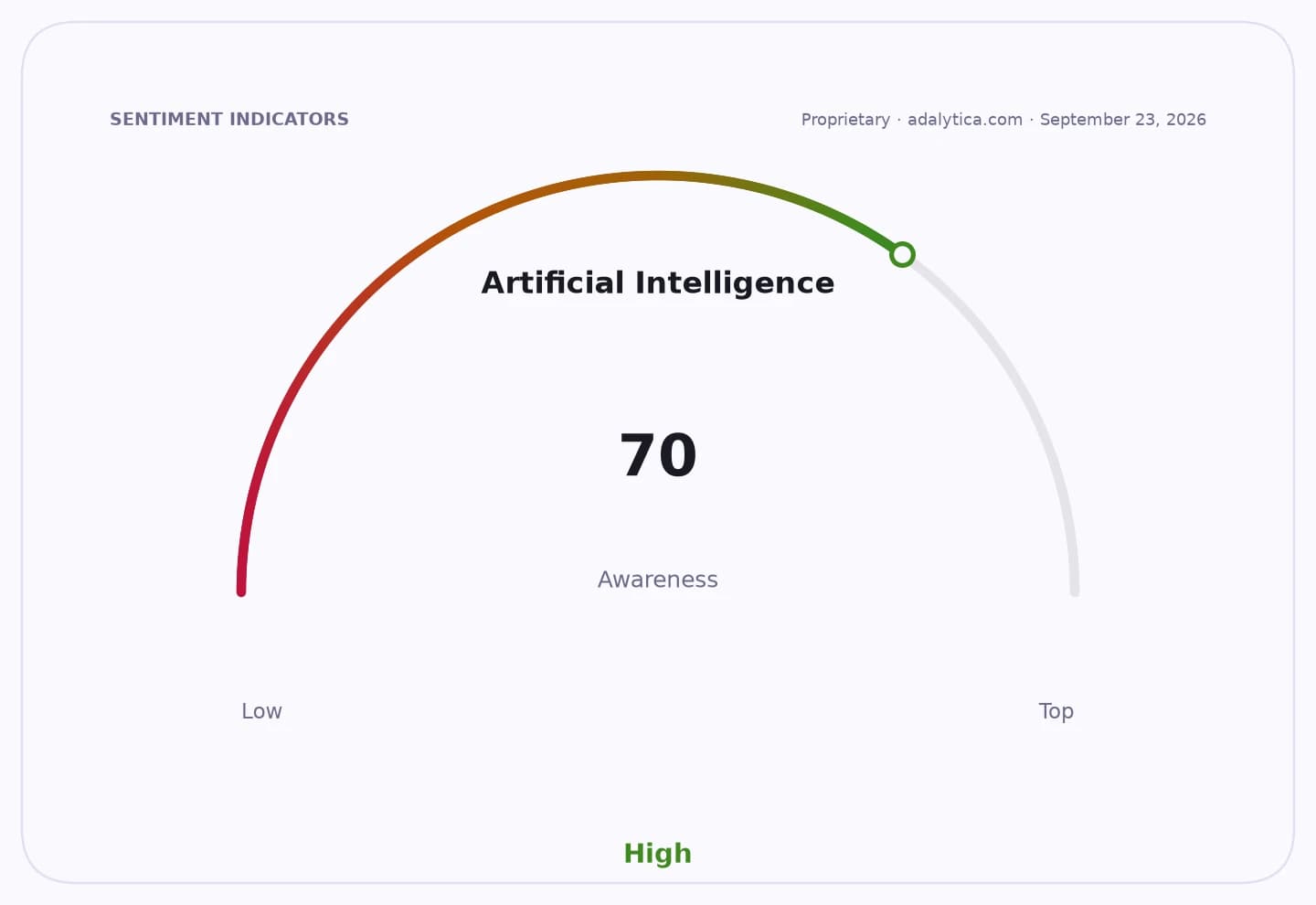
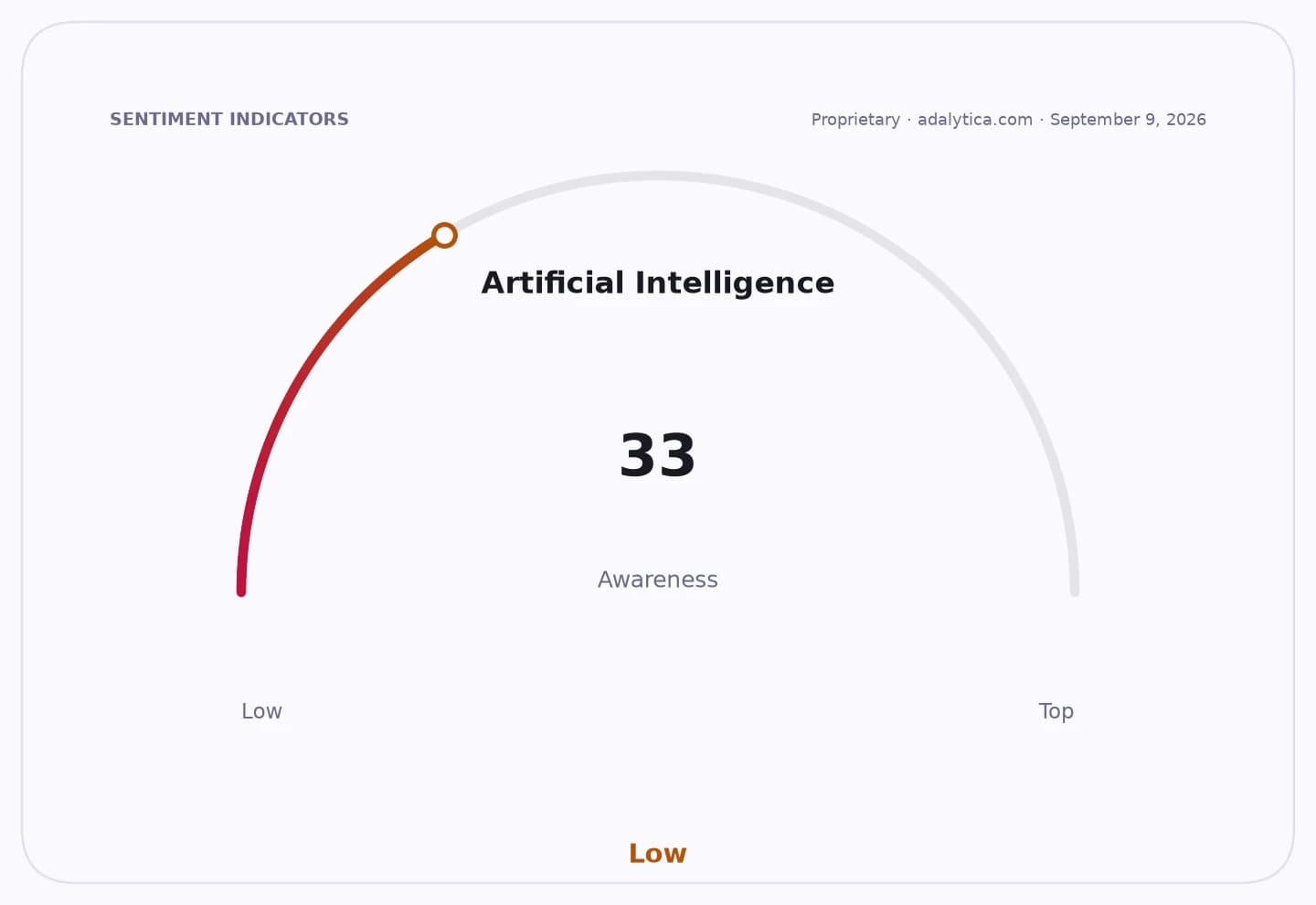
Sentiment IndicatorsⓘProprietary · adalytica.com · September 9, 2026
This is a snapshot — live sentiment, awareness and momentum for 130+ markets update continuously in the dashboard.Open AlphaPulse
Ronny Fehling of HTEC said more than 80% of AI projects never reach production, a rate that underscores why many large enterprises are still struggling to monetize the rush into generative tools. The failure point, he said, is usually organizational friction — fragmented responsibilities, unclear accountability and no single owner for the business outcome — rather than model performance.
That matters economically because the biggest AI gains are showing up in operating leverage, cycle times and revenue timing, not just headcount cuts. A hospital example cited at the summit showed discharge-papers processing reduced from repeated back-and-forth revisions to just two review rounds, freeing days of capacity in a setting where an intensive-care bed can cost 1,200 to 2,000 euros a day. A pharmaceutical case study cut FDA documentation preparation from six months to two, potentially bringing a drug with $3 billion in annual revenue to market a month earlier and adding roughly $250 million in sales.
For investors, the message is that AI spending will increasingly be judged by payback periods, not launch announcements. Microsoft’s Eve Psalti said her teams generate roughly two-thirds of code with AI tools, often using Claude, but only with strict controls and human review to manage hallucinations — a reminder that adoption at scale still depends on governance, quality assurance and workflow redesign.
The summit also pushed back on the idea that more data and longer prompts automatically produce better results. An OpenAI speaker said overloading models with context can make them less reliable, and urged companies to use AI only where judgment is needed, while leaving deterministic tasks to conventional software.
That framework points to the next phase of the AI trade: winners will be the companies that convert pilots into production within a quarter, build internal AI literacy and tie deployments directly to profit-and-loss metrics. The losers are likely to be firms that keep treating AI as a software add-on rather than an operating model overhaul, even as the market increasingly rewards evidence of real productivity gains.
| Entity | Gains | Losses |
|---|---|---|
| Companies redesigning workflows | ▲Faster ROI | ▼Legacy process owners |
| Microsoft, OpenAI, HTEC | ▲Higher demand for AI expertise | ▼Firms chasing tool-only deployments |
| Productive AI adopters | ▲Lower costs, faster launches | ▼Stalled pilot programs |
| Investors in proven AI monetizers | ▲Clearer earnings upside | ▼Long-only hype trades |