Panama is set to bring international leaders together to debate how artificial intelligence will reshape companies, and that matters because the next phase of the AI boom is no longer just about building models — it is about turning them into durable profits.
AI Shifts From Hype to Profits
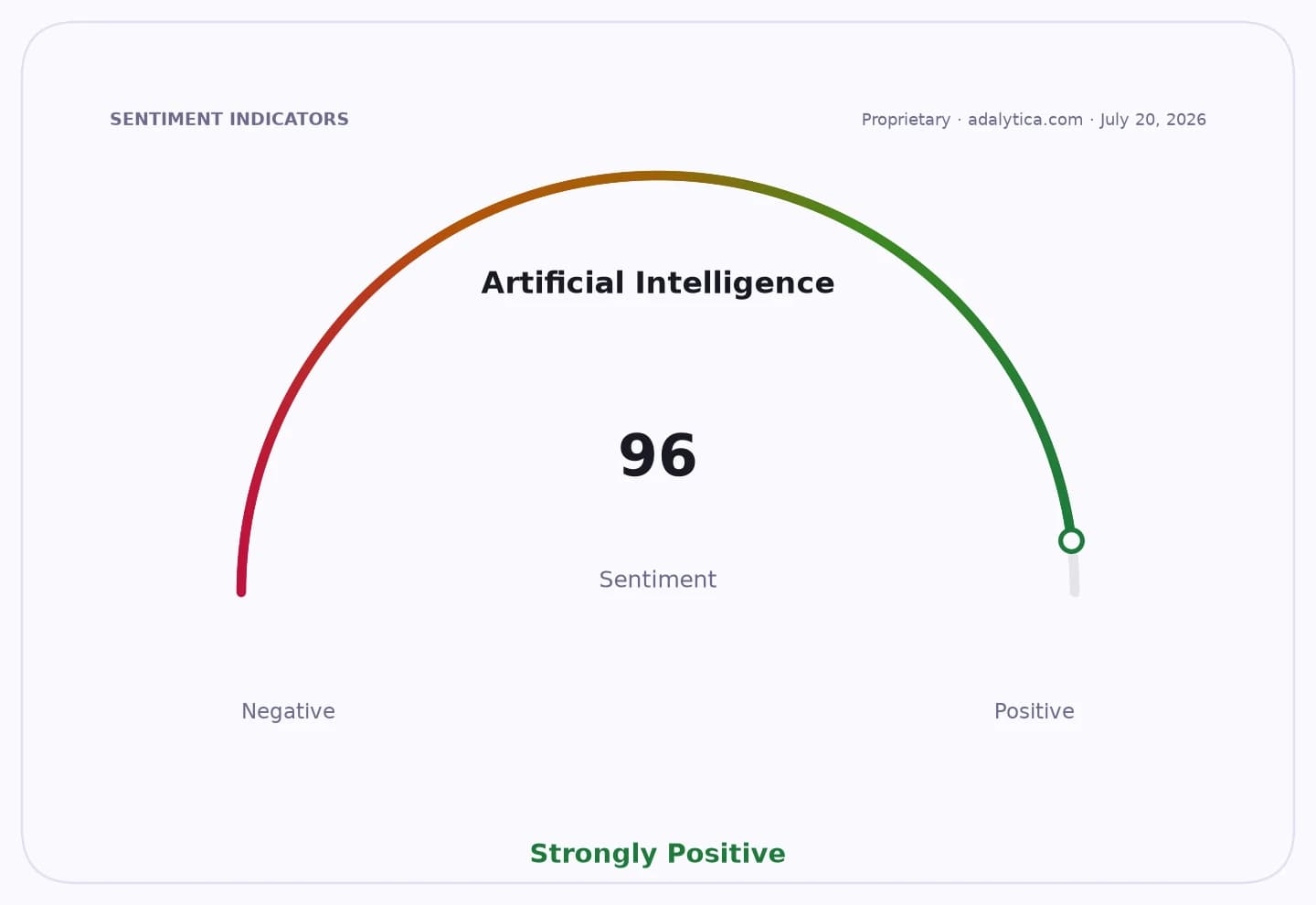
That shift is economically important. The world has spent heavily on chips, cloud capacity and data centers to train AI systems. Now investors are asking the harder question: which companies will capture pricing power, higher productivity and new revenue streams, and which ones will be left with the bill? Conferences like Panama’s AI gathering may not move earnings on their own, but they help define the rules, talent pipelines and cross-border cooperation that will influence where AI adoption spreads fastest.
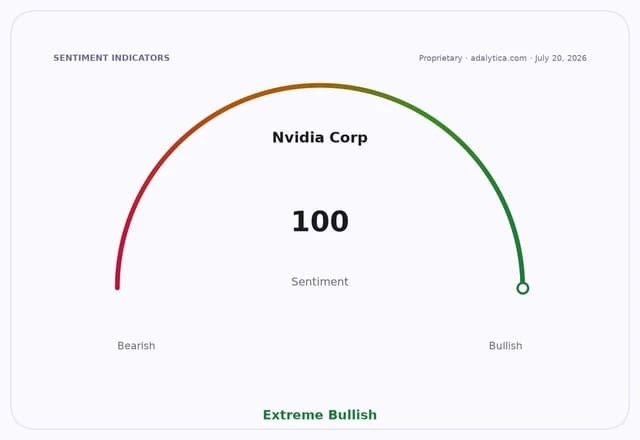
The market is already separating the winners from the also-rans. Nvidia, the clearest beneficiary of the AI infrastructure buildout, remains near $203 a share and sits well above its 200-day moving average, even after a recent pullback from highs above $235. That suggests investors still see demand for AI hardware as resilient, even if the stock has cooled from overheated technical conditions. Microsoft, by contrast, has been more volatile, with the shares recently back near $402 after a sharp summer selloff and recovery. That reflects the more complicated investor debate around AI: huge strategic opportunity, but also real pressure on margins, capital intensity and the pace of monetization.
That is why Panama’s meeting matters beyond symbolism. Governments and global institutions are increasingly pushing for “trustworthy” and broadly accessible AI, while companies are trying to convert that mandate into products customers will actually pay for. The conversation will likely touch regulation, talent, ethical use and access — all issues that can either widen AI adoption or slow it down. For long-term investors, that is not trivia. It shapes who can scale globally, who faces compliance costs, and which businesses gain the advantage of trust.
Apple belongs in that discussion too. The stock has rallied strongly and trades near $329, with momentum indicators showing a stretched setup by conventional technical standards. That tells you something important: investors are beginning to price in AI upside across the device ecosystem, not just in chips and cloud. But Apple’s long-term case will depend on whether AI becomes a catalyst for a bigger services and hardware cycle, not just a marketing layer.
The bigger narrative is simple: AI is moving from a story of scarcity — who can get the chips — to a story of execution — who can make the technology useful, safe and profitable at scale. That is exactly the kind of transition that can create multiyear winners, but only for companies with real moats, distribution and balance-sheet strength.
For investors, the right response is patience, not prediction. AI is still early, and the best way to own the theme is through diversified exposure to the companies building the picks and shovels, the cloud platforms, and the software layers that can compound over years. Panama’s summit is worth watching because the next leg of AI investing will be won by businesses that can turn global enthusiasm into lasting cash flow.
| Entity | Gains | Losses |
|---|---|---|
| Nvidia | ▲Sustained demand for AI chips | ▼Short-term momentum traders |
| Microsoft | ▲Broader AI adoption across software | ▼Investors expecting near-term perfection |
| Apple | ▲Potential AI-driven device upgrade cycle | ▼Sellers betting AI is already priced in |
| Regulators and policymakers | ▲More influence over AI standards | ▼Firms facing higher compliance costs |