An Indian-origin Meta engineer’s decision to walk away from a roughly $300,000 job to launch an AI startup says as much about the AI labor market as it does about one person’s ambition.
AI Talent Flight Signals Big Tech Risk
For investors, that matters because the fight for AI talent is becoming one of the clearest signals in the entire technology cycle. When engineers leave a cash-rich incumbent like Meta to chase the upside of a startup, it shows how powerful the startup incentive still is — and how expensive it may be for Big Tech to keep the people building the next generation of products. Meta’s own filings have warned that hiring specialized technical talent, especially senior engineering and AI research staff, remains a significant challenge.
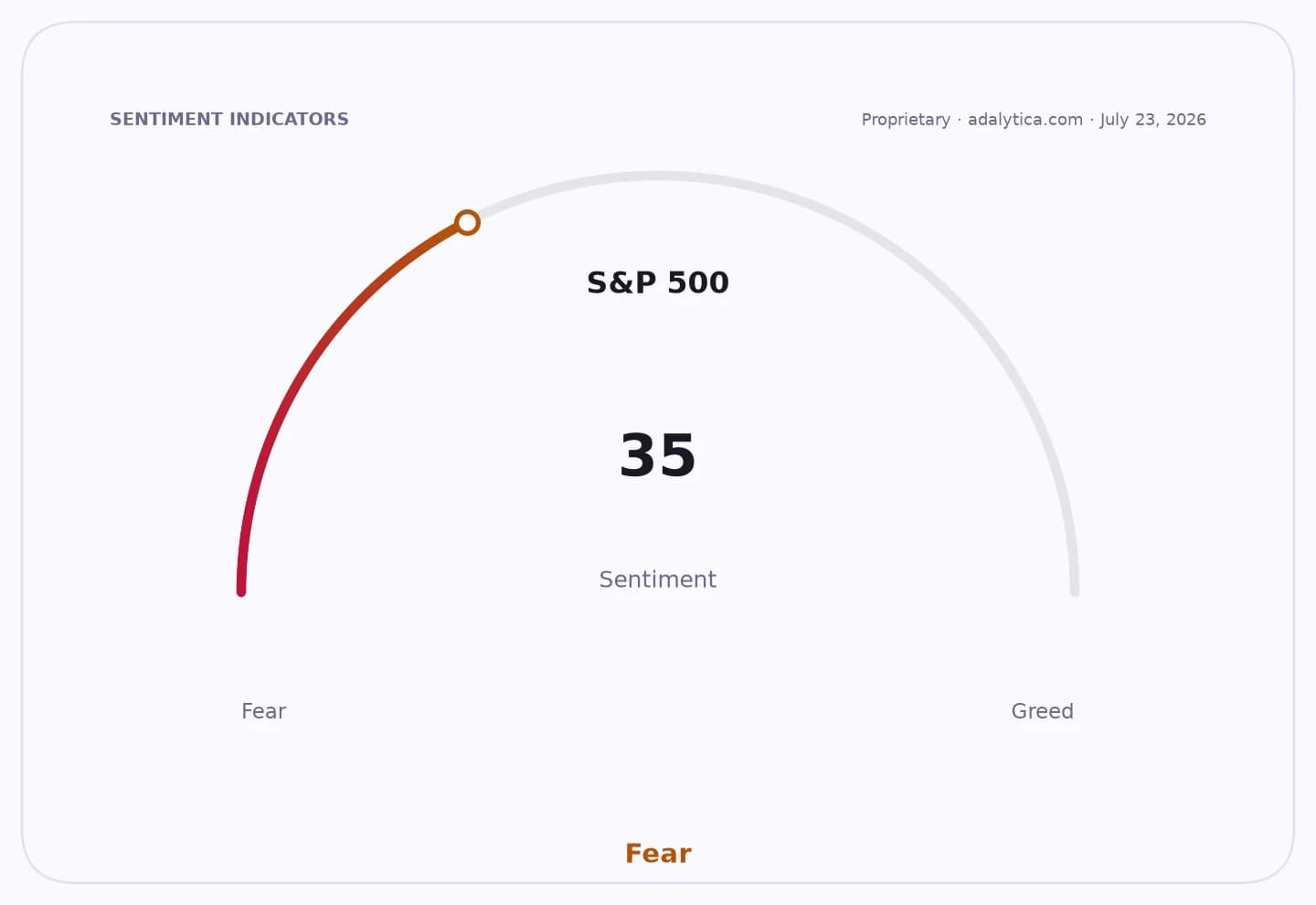
Sentiment IndicatorsⓘProprietary · adalytica.com · July 23, 2026
This is a snapshot — live sentiment, awareness and momentum for 130+ markets update continuously in the dashboard.Open AlphaPulse
That talent pressure is no small issue for shareholders. The companies that win AI will not just be the ones with the biggest data centers or the best models, but the ones able to recruit, retain and compound their technical edge over years. If top engineers are willing to trade six-figure certainty for startup equity, it reinforces the scale of the opportunity in AI while also highlighting the competitive risk for established players.
The market backdrop helps explain why this story resonates. Nvidia shares are near their highs again, reflecting the stubborn strength of AI infrastructure demand, while Microsoft and Meta have both spent heavily to stay in the race. But their stock performance has been more volatile, a reminder that even the strongest AI franchises can be punished when the market starts questioning how quickly today’s spending turns into durable earnings.
Meta in particular sits at the center of that tension. Its shares have slipped below both the 50-day and 200-day moving averages in recent trading, even as the stock has shown bursts of recovery. That kind of action suggests investors still like the long-term AI story, but they want proof that the company can turn spending into sustained profit growth. Losing or retaining star engineers is part of that equation.
There is also a broader startup message here. The next wave of AI companies may not come from giant labs alone. They can come from people inside those labs who believe they can build faster, move differently and capture more of the upside on their own. That is exactly what makes this kind of exit so interesting to long-term investors: it is a reminder that innovation still migrates toward the best incentives.
None of this means Meta or Microsoft are suddenly in trouble. They remain enormous, cash-generating businesses with formidable moats. But AI is still early, and the winners will be the companies that keep attracting exceptional people while converting that talent into products customers cannot live without. For investors, this is a story worth watching — not because one engineer left, but because the move reflects how competitive the AI economy has become.
| Entity | Gains | Losses |
|---|---|---|
| AI startup founders | ▲New talent and credibility | ▼Heavy competition |
| Meta shareholders | ▲None immediately | ▼Talent retention risk |
| Big Tech rivals | ▲Proof of AI demand | ▼Higher wage pressure |
| Startup investors | ▲Potential upside leverage | ▼Execution risk |