Air India is pushing India’s top court to decide a decades-old question that could change how airlines are forced to pay crash victims, and potentially raise compensation exposure across the aviation industry.
Air India Seeks Supreme Court Crash Compensation Ruling
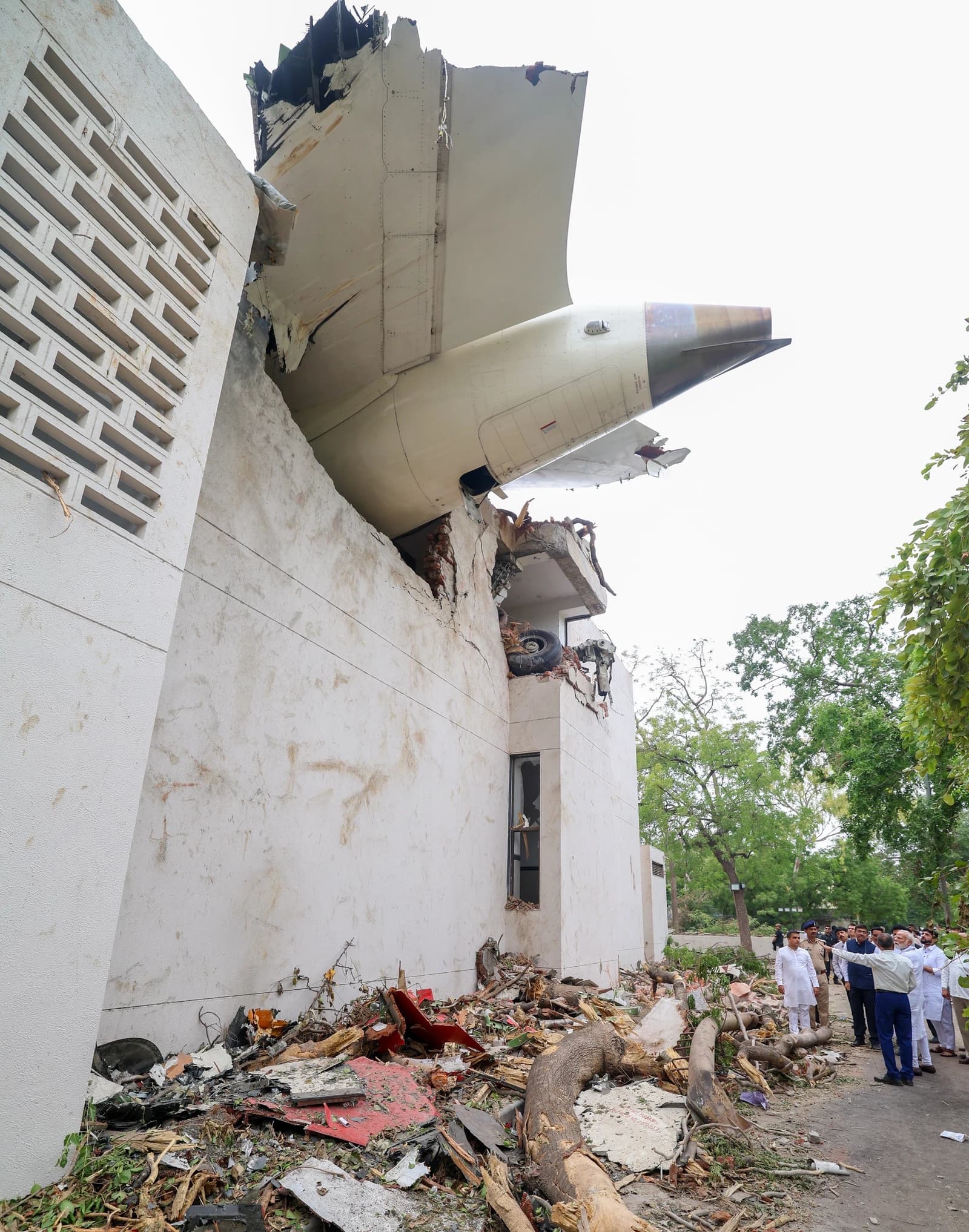
The company has asked the Supreme Court for an expedited hearing in a case stemming from the 1988 Indian Airlines crash near Ahmedabad, where 133 people died. At issue is whether compensation for air-crash victims should continue to be calculated under formulas written for road accidents, or whether aviation claims deserve a separate standard tied to actual economic loss, inflation and the financial strength of the carrier.
That matters because the outcome could reset liability for airlines, insurers and other parties involved in aviation accidents. A more individualized framework would likely lift awards in cases involving younger passengers, high earners and families with significant financial dependency, lawyers say. For airlines, that means larger reserves, higher insurance costs and more uncertain tail risk at a time when safety scrutiny and litigation around aviation incidents remain elevated.
The dispute has been alive since 2010, after litigation from the 1988 crash moved through the Ahmedabad civil court and Gujarat High Court before reaching the Supreme Court. The victims’ families argue that aviation should not be treated like road transport because passengers have no control over flight operations and because airlines are typically large, insured enterprises capable of paying more than statutory formulas allow.
The legal question also reaches beyond this one case. If the Supreme Court uses the dispute to set standardized guidelines, it could shape compensation norms for future air accidents and even influence broader consumer-protection principles in India. That would be a meaningful shift for a country where aviation has expanded rapidly and where courts are increasingly being asked to define liability in mass-harm cases.
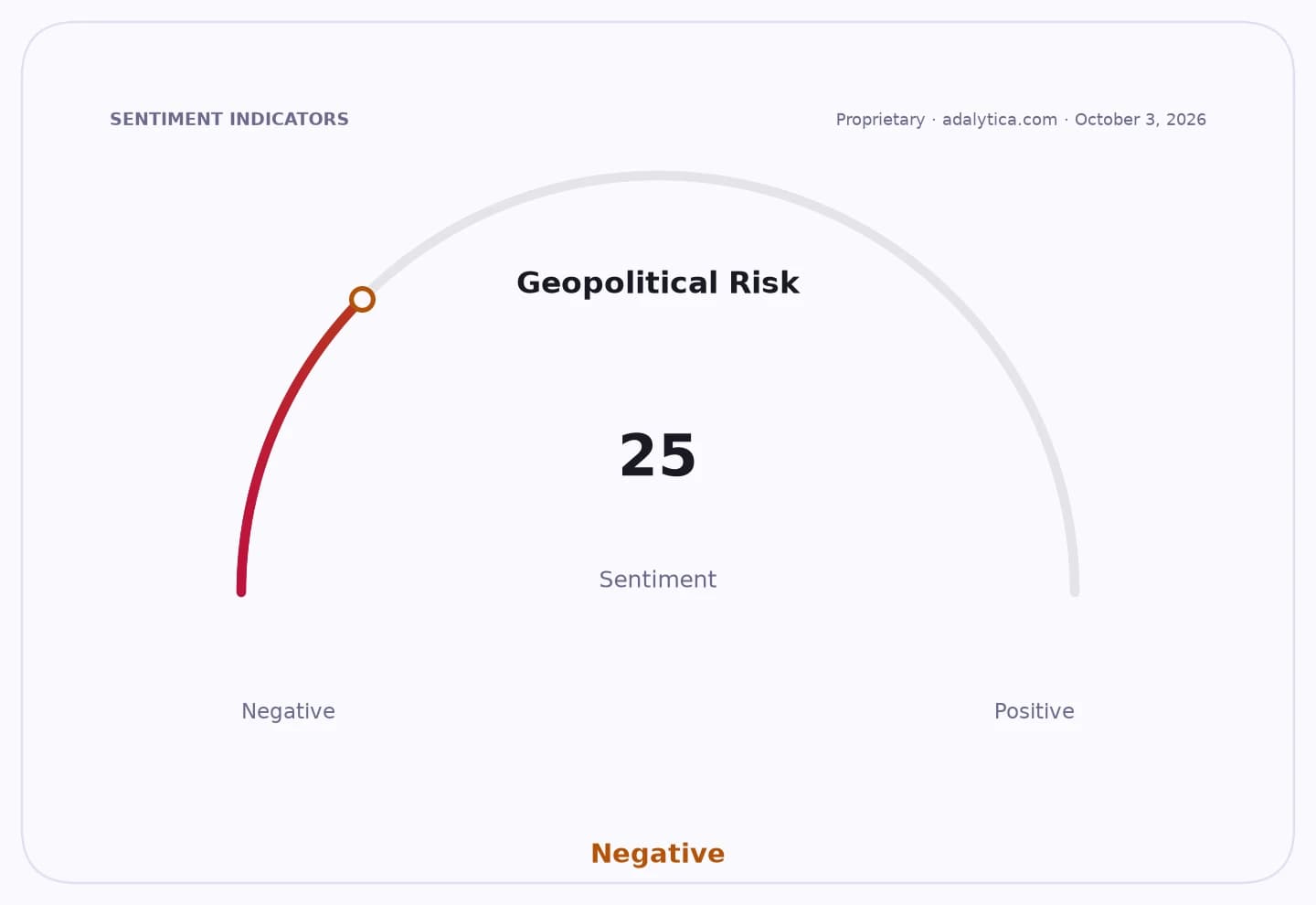
For investors, the near-term relevance is clear: legal and insurance costs are part of the hidden operating leverage in airlines, and precedent risk can matter as much as fuel prices or demand trends. Any ruling that broadens compensation formulas would be a negative for carriers and insurers, while strengthening the case for more robust underwriting discipline and higher coverage pricing across the sector.
The hearing comes against the backdrop of last year’s Air India crash that killed 260 people, with related safety and investigation pleas still pending before the Supreme Court. That makes this case more than an old legal relic. It is a live test of how India values loss in aviation, and the answer could ripple through future claims, balance sheets and ticket economics.
| Entity | Gains | Losses |
|---|---|---|
| Air-crash victims and families | ▲Higher compensation awards | ▼Statutory road-accident formula |
| Airlines, including Air India | ▲Certainty if MVA framework stands | ▼Bigger liability if individualized losses apply |
| Insurers | ▲Predictable claims limits | ▼Higher payouts and pricing pressure |
| Indian courts/regulators | ▲Clearer aviation precedent | ▼Ad hoc compensation standards |