The US Supreme Court will hear a case on Monday that could determine whether cities and states can keep suing oil producers for climate damages, a ruling that may affect dozens of pending lawsuits and the legal risk tied to fossil-fuel operations.
Supreme Court to Hear Suncor Boulder Climate Case
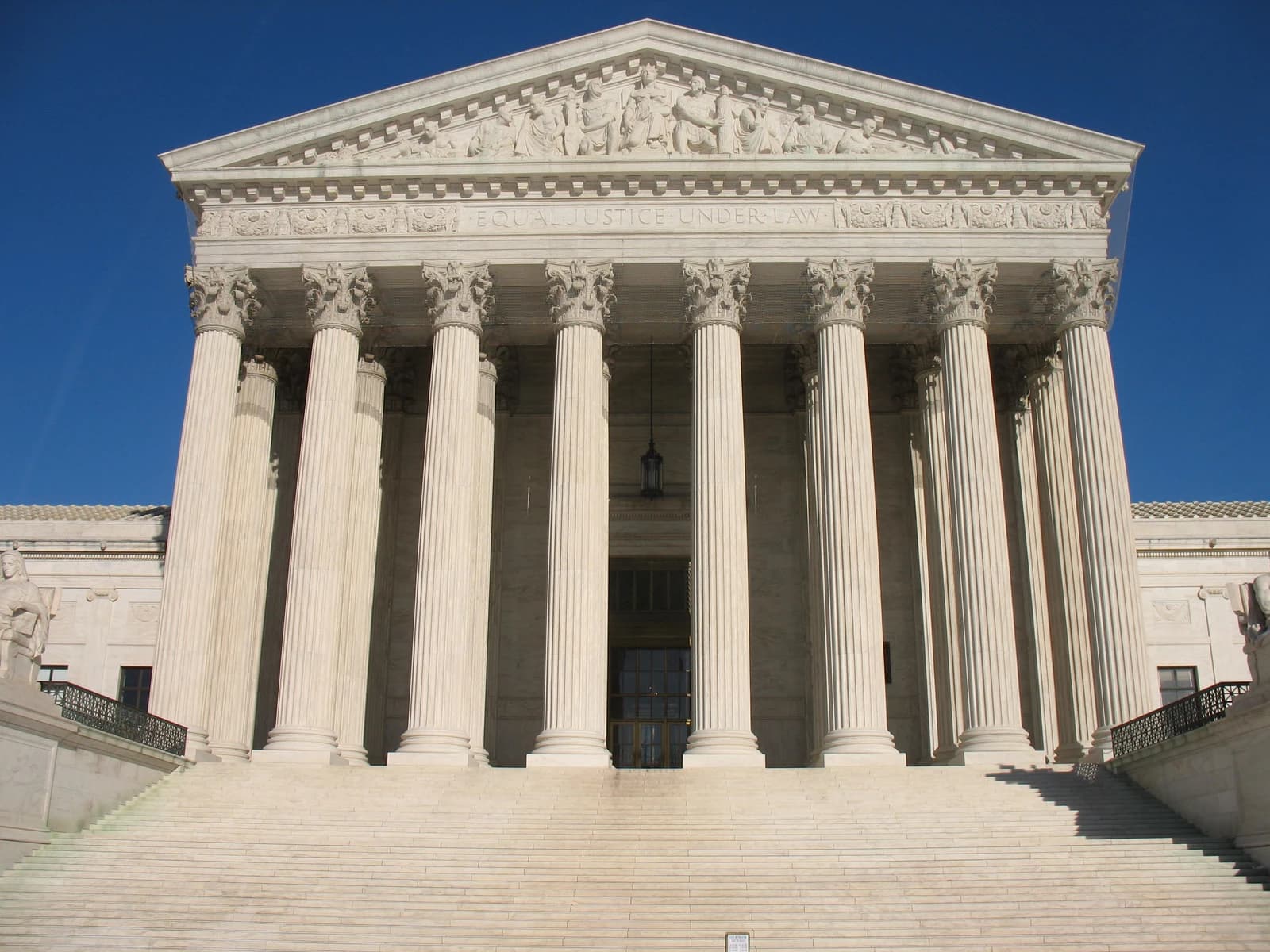
At issue in Suncor v Boulder is whether Boulder, Colorado, can pursue claims against Suncor Energy and ExxonMobil over alleged deception about the climate risks of oil and gas products, and whether federal law blocks those claims before they reach trial. If the justices side with the companies, it could weaken or end a wave of litigation seeking compensation for wildfire, flooding and other weather-related losses.
Sentiment IndicatorsⓘProprietary · adalytica.com · October 3, 2026
This is a snapshot — live sentiment, awareness and momentum for 130+ markets update continuously in the dashboard.Open AlphaPulse
The case is one of roughly 40 similar lawsuits brought by municipalities, states and tribes, many modeled on tobacco and opioid litigation. Boulder says it has suffered hundreds of millions of dollars in damage, while the oil companies argue the suits amount to an attempted carbon tax that could expose the industry to crushing liability.
For investors, the stakes go beyond courtroom costs. A broad ruling for the companies could remove a growing legal overhang for ExxonMobil, Suncor and peers including Chevron, ConocoPhillips and Phillips 66, while also limiting exposure to so-called climate superfund laws in New York and Vermont. New York’s measure was struck down by a federal judge last month, but an adverse Supreme Court ruling could make revival on appeal far less likely.
The justices are weighing whether the Clean Air Act preempts Boulder’s claims, whether the US Constitution bars this type of lawsuit, and whether the court should intervene now or let the case continue in lower courts. Environmental law experts say a ruling on federal preemption could be the most consequential, potentially extinguishing or sharply narrowing cases that seek damages for climate harms caused by emissions outside the state.
The hearing comes as the Trump administration has backed Supreme Court review and, separately, the EPA has reversed the long-standing “Endangerment Finding” on greenhouse gases, creating tension over who has authority to regulate emissions. Republicans in Congress are also pushing an immunity shield that would effectively void similar cases, underscoring how climate liability has become a political as well as legal fight.
Suncor’s US-listed shares have held above their 50-day and 200-day moving averages ahead of the hearing, while ExxonMobil and Chevron have also traded near elevated levels, reflecting continued strength in energy equities even as legal risk remains unresolved. Still, the case could matter more for valuation and sentiment than for near-term earnings, because a ruling that opens the door to damages claims could raise long-dated liabilities and increase pressure on capital allocation.
A split decision is possible after Justice Samuel Alito recused himself over oil and gas stock holdings, leaving conservatives with a 5-3 edge but raising the risk of a 4-4 tie that would preserve the Colorado court ruling and send the case back into lower-court litigation.
The decision, expected later, will be watched closely by Big Oil, state governments and climate plaintiffs looking to test how far US courts will let companies be held financially responsible for warming-linked losses.
| Entity | Gains | Losses |
|---|---|---|
| Boulder and other plaintiffs | ▲Stronger path to damages | ▼Harder road if preemption wins |
| Suncor, ExxonMobil and peers | ▲Liability relief if case is narrowed | ▼Higher litigation risk if plaintiffs prevail |
| Investors in energy stocks | ▲Lower legal overhang in a win | ▼More contingent liability in a broad ruling |
| Climate superfund backers | ▲Validation if suit survives | ▼Weaker legal footing if case is blocked |