The United Arab Emirates has formally called the in-flight attack on a flydubai service a terrorist act, turning what began as a criminal probe into a broader security and geopolitical issue that could tighten screening across regional airlines and unsettle investors exposed to Middle East aviation risk.
UAE Calls flydubai In-Flight Attack Terrorist Act
Abu Dhabi’s attorney-general said an investigation team has been formed to examine the incident and any possible terrorist link, after the co-pilot allegedly attacked the captain with a crash axe on a Dubai-to-Tel Aviv flight. The UAE’s characterization matters because it elevates the event beyond an isolated cockpit assault and into the category of intentional sabotage, the kind of threat that aviation authorities and insurers treat far more seriously.
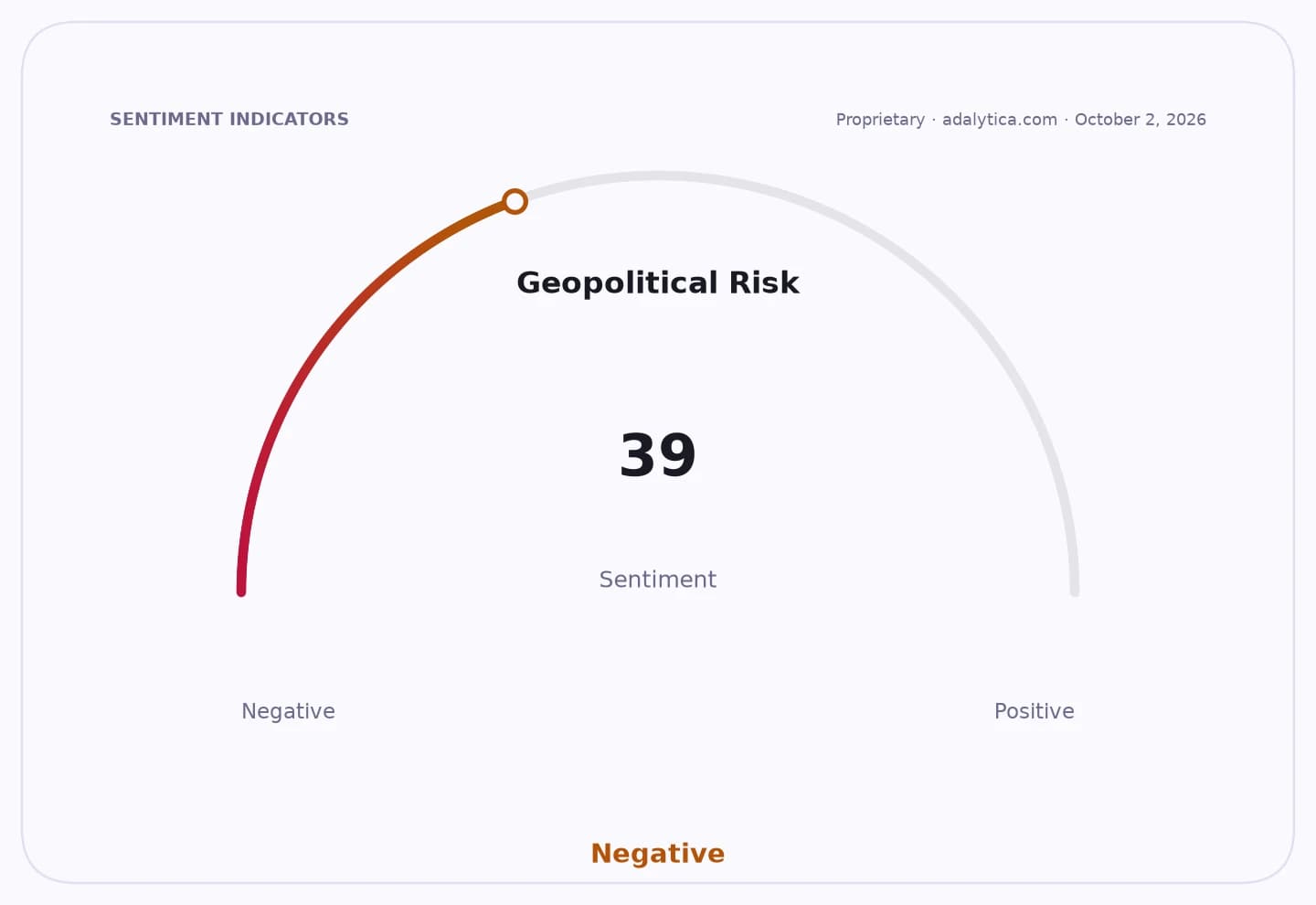
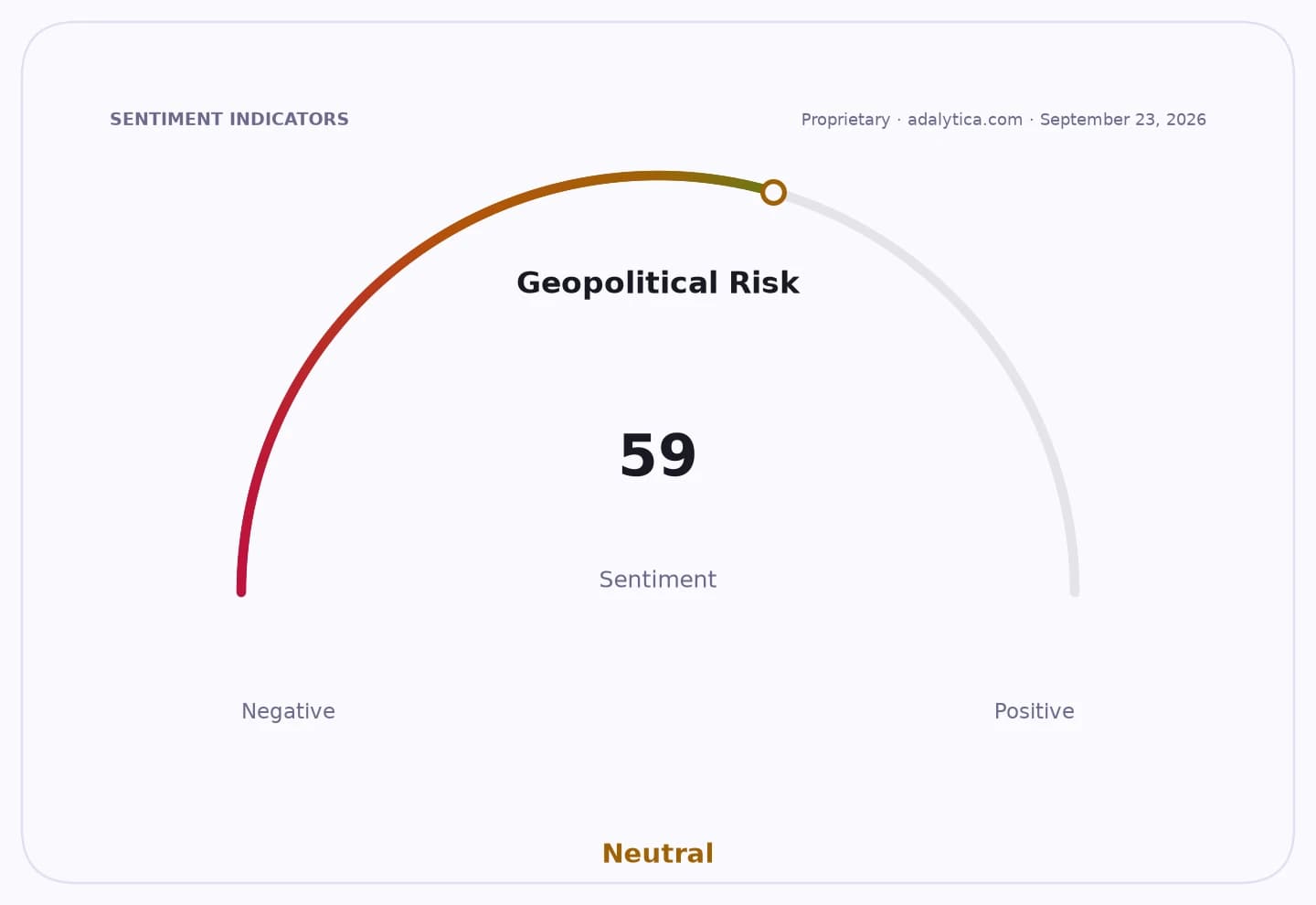
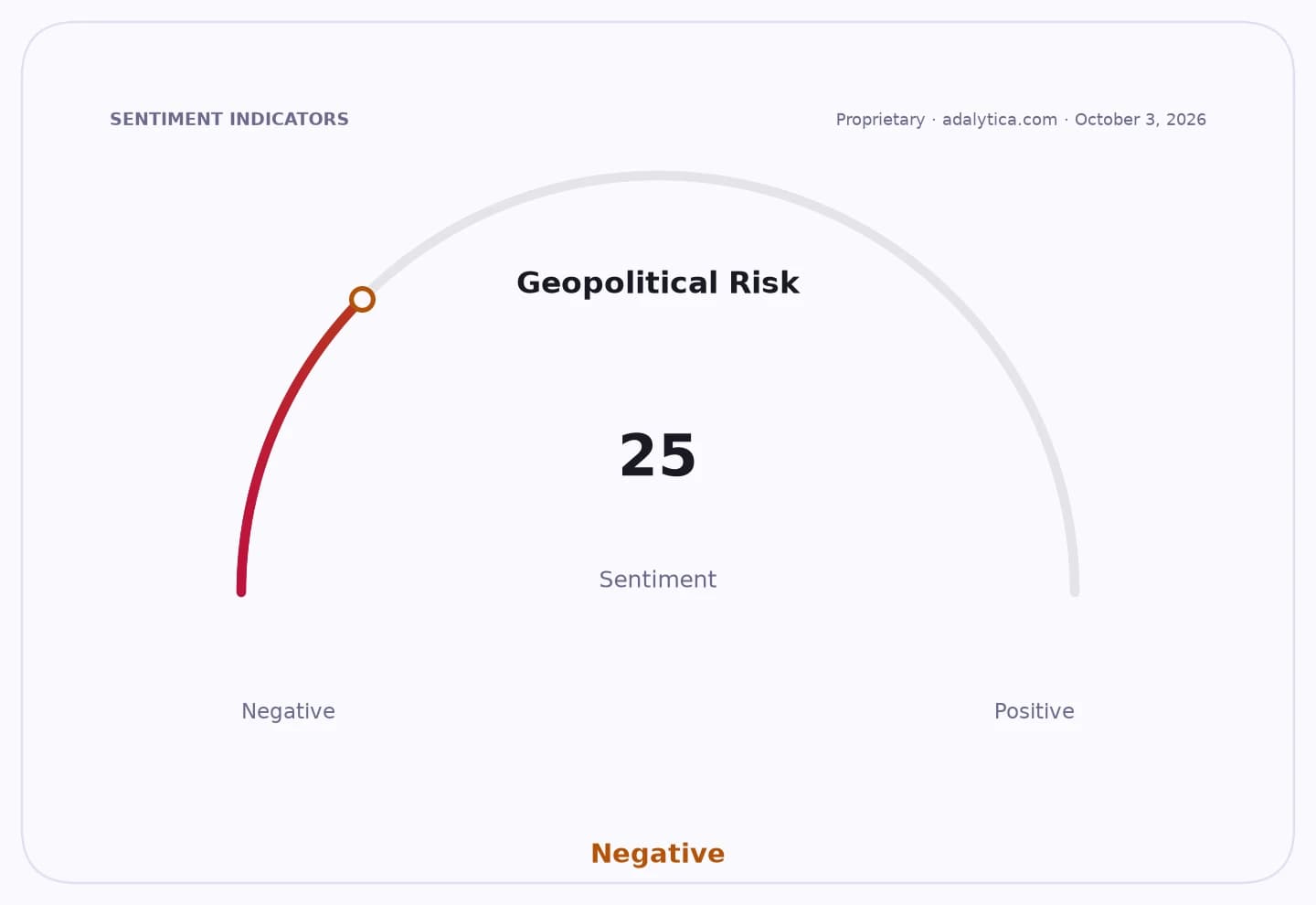
Sentiment IndicatorsⓘProprietary · adalytica.com · October 3, 2026
This is a snapshot — live sentiment, awareness and momentum for 130+ markets update continuously in the dashboard.Open AlphaPulse
The case is especially sensitive because it involved an insider threat inside the flight deck, the most protected space on an aircraft. Reuters and IANS reporting cited Israeli and UN responses that highlighted the potential scale of the danger, with officials saying the suspect may have intended to crash the aircraft with passengers aboard. That raises the economic stakes for carriers operating in politically exposed corridors, where even one breach can trigger more expensive vetting, crew monitoring and security procedures.
For airlines, the immediate impact is not lost revenue from a single flight but the possibility of higher operating costs. Tighter cockpit access rules, expanded background checks and more intrusive staff screening would add friction to already thin-margin businesses. For airports and insurers, the episode reinforces the premium placed on risk management in a region where airspace can be exposed to conflict spillovers, missile threats and insider vulnerabilities.
The market reaction in flydubai itself is not visible in the limited price context provided, but broader airline equities remain sensitive to anything that can lift insurance costs or dent demand for routes linked to the Gulf and the Levant. Technical data on FLYX show a stock trading well below its 200-day moving average, with recent moves confined near the 50-day line, suggesting investors are still treating the name as distressed and highly event-driven rather than as a stable reopening story.
The geopolitical backdrop only heightens that caution. The incident comes amid wider Middle East tensions and after a run of security-related aviation headlines, including missile and drone threats in regional airspace. A designation of terrorist attack also raises the likelihood of diplomatic and law-enforcement coordination across jurisdictions, particularly given the route’s connection to Tel Aviv and the nationality questions surrounding the suspect.
For investors, the key issue is whether the episode becomes a one-off or the start of a tougher aviation-security regime that raises costs across the sector. If regulators respond with broader checks and route scrutiny, airlines and insurers could see margin pressure even if passenger demand holds up. If the probe finds a more organized plot, the event could feed into a wider repricing of Middle East travel risk.
| Entity | Gains | Losses |
|---|---|---|
| UAE authorities | ▲Security credibility | ▼Aviation calm |
| flydubai | ▲Support from crisis response | ▼Reputation, costs |
| Airlines in region | ▲Tighter safety standards | ▼Higher screening expenses |
| Insurers and short sellers | ▲More risk pricing | ▼Aviation stability |