UAE stocks edged lower on Friday after an adviser to Iran’s leader warned that regional air travel and airport services could be disrupted, a fresh geopolitical jolt that briefly erased earlier gains and underscored how quickly conflict risk is feeding into Gulf markets.
UAE Stocks Slip on Iran Air Travel Warning
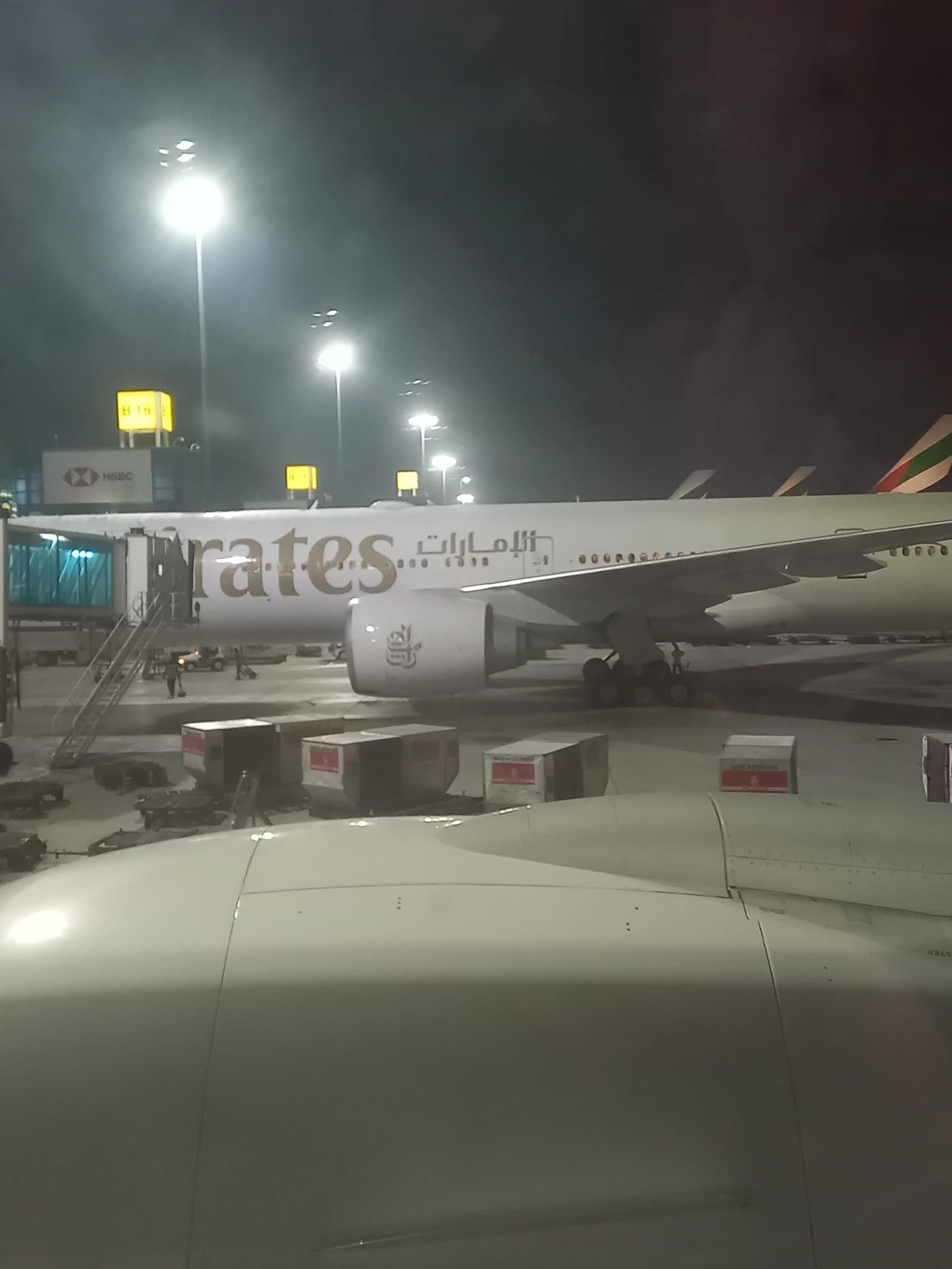
Abu Dhabi’s benchmark fell 0.1%, while Dubai’s main index slipped 0.05% as investors rotated out of travel-linked names and into energy shares. The move mattered because the UAE’s markets are closely tied to confidence in Gulf transport links, tourism flows and trade routes, all of which are vulnerable when regional airspace is viewed as at risk.
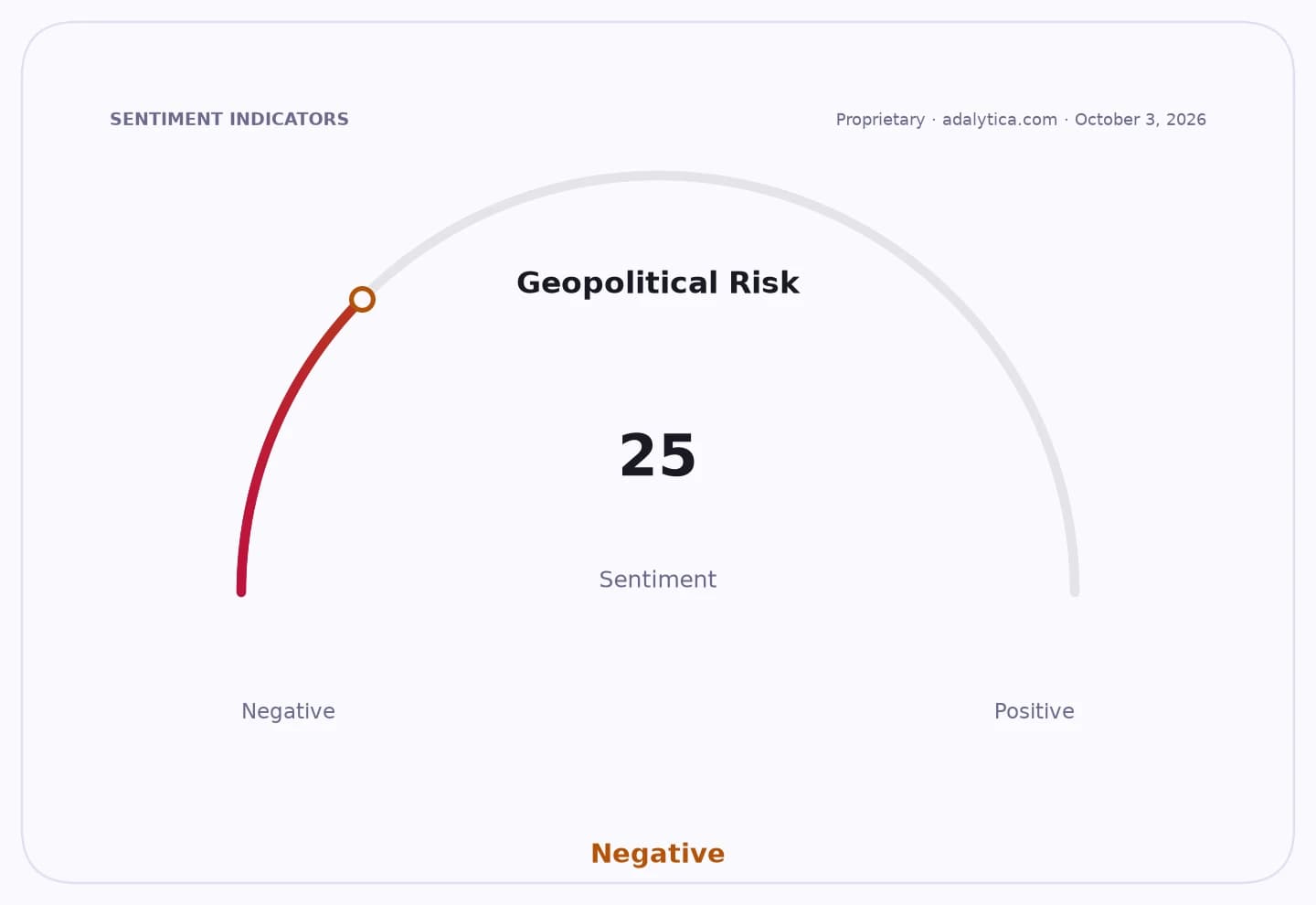
Sentiment IndicatorsⓘProprietary · adalytica.com · October 1, 2026
This is a snapshot — live sentiment, awareness and momentum for 130+ markets update continuously in the dashboard.Open AlphaPulse
The warning from Iranian adviser Mokhber, reported by Nournews, came as flights to and from Iran were suspended at all four Iraqi airports handling those routes, including Baghdad and Erbil, according to sources and state media. That added to concern that the conflict is widening beyond military exchanges and starting to interfere with civilian transport and logistics.
Airline and airport risk is especially relevant for the Gulf because aviation is a core economic channel for the UAE, supporting tourism, retail, logistics and business travel. Even a modest loss of confidence can pressure valuations in sectors exposed to passenger traffic and airport throughput, while also raising insurance and operating costs across the region.
The market reaction was mixed. In Abu Dhabi, National Bank of Fujairah fell 4.8% and Abu Dhabi National Hotel dropped 1%, but energy names rose as traders bet that Middle East supply lines may prove more resilient than feared. Adnoc Gas gained 0.3% and Adnoc Drilling added 0.4%.
Dubai’s decline was led by Salik, down 0.7%, and Talabat Holding, which fell 2.6%, showing that investors were trimming exposure to consumer and mobility-related plays. The broader tone also tracked oil’s 1%-plus decline, with Brent off 1.5% at $105 a barrel, as markets weighed a possible US-Iran truce against the risk of further Houthi attacks on Saudi supply routes.
For investors, the key issue is not just the day’s index moves but the direction of regional risk pricing. If air travel disruptions deepen, that could weigh on Gulf equities tied to tourism and mobility even as energy-linked stocks benefit from higher geopolitical risk premia.
The next catalyst is whether the air-travel warnings turn into broader operational restrictions or remain a short-lived escalation. A more durable disruption would likely hit travel, hotel and consumer names hardest, while keeping support under oil and upstream energy shares.
| Entity | Gains | Losses |
|---|---|---|
| Energy producers | ▲Higher risk premium | ▼ |
| UAE travel and hospitality stocks | ▲ | ▼Lower traffic outlook |
| Regional airlines and airports | ▲ | ▼Disruption risk |
| Oil traders | ▲Volatility opportunity | ▼Demand uncertainty |