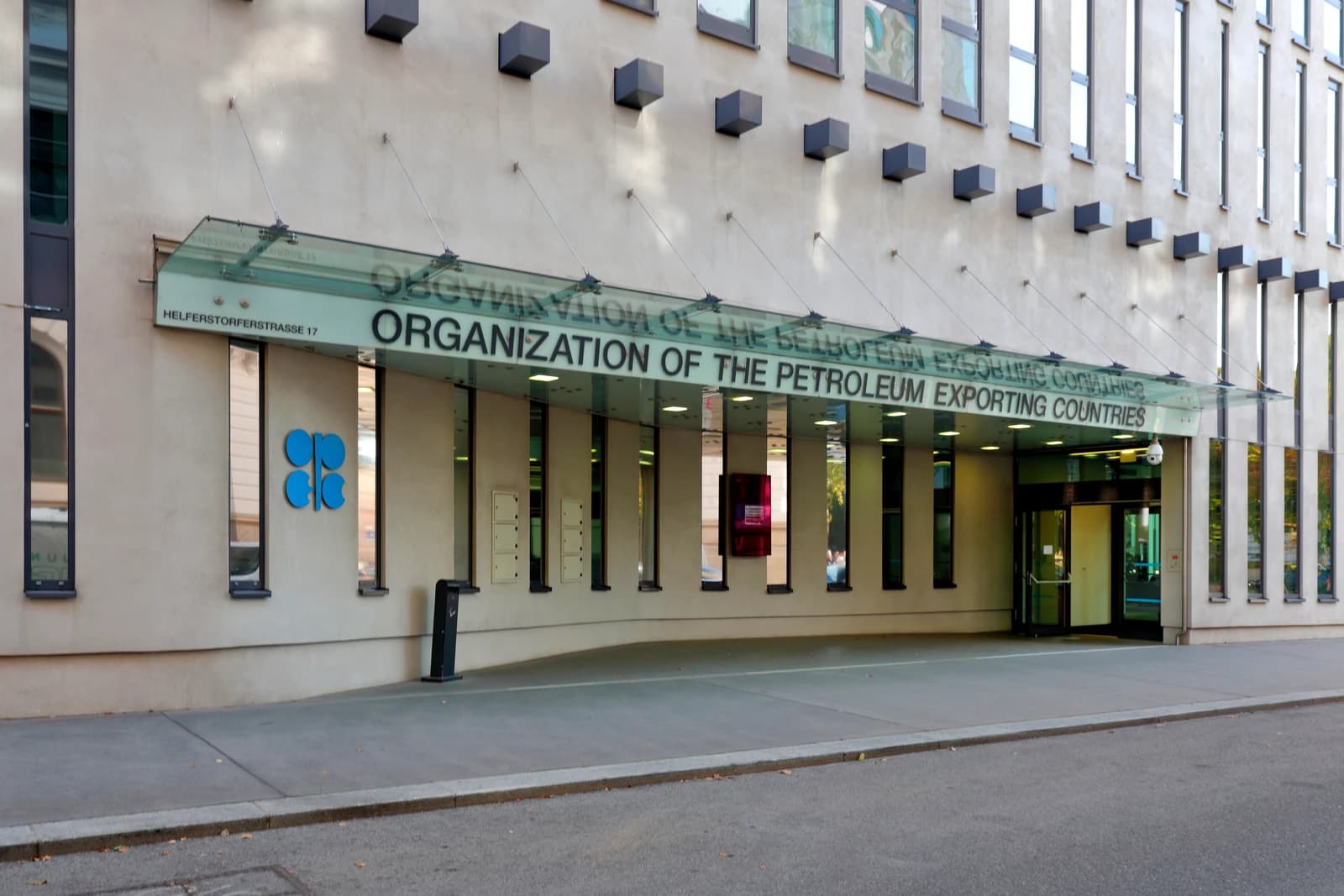
Oil prices eased on Thursday even as Brent stayed above $102 a barrel, with traders watching whether fighting tied to Libya and wider Middle East tensions will disrupt supply further.
Brent crude eases to $102 on Libya supply fears
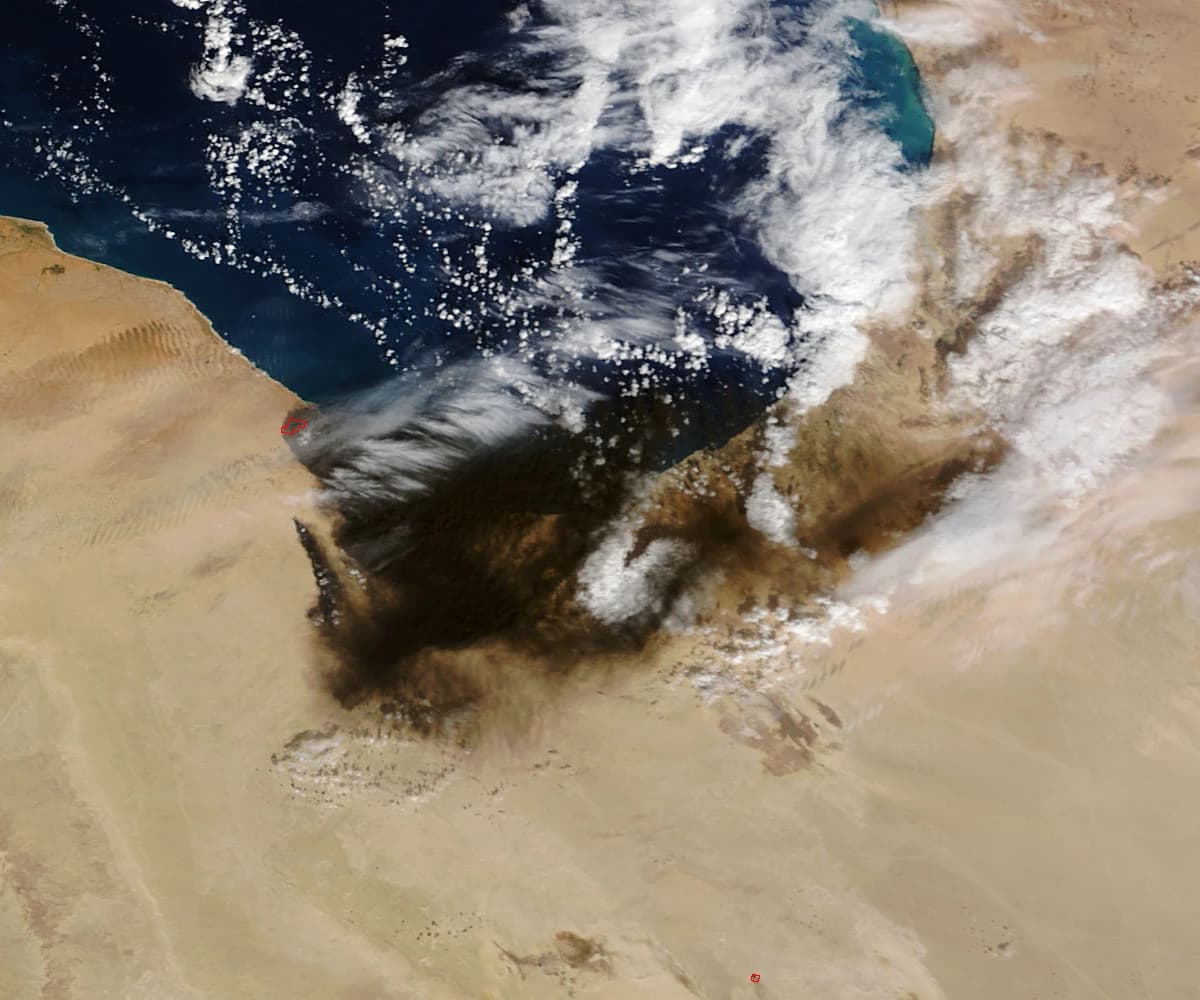
Brent crude fell 0.9% to $102.13 a barrel, while U.S. West Texas Intermediate lost 0.7% to $91.56. The move came after a nearly 4% surge in the prior session, underscoring how quickly crude is swinging on geopolitics rather than fundamentals alone.
Sentiment IndicatorsⓘProprietary · adalytica.com · September 29, 2026
This is a snapshot — live sentiment, awareness and momentum for 130+ markets update continuously in the dashboard.Open AlphaPulse
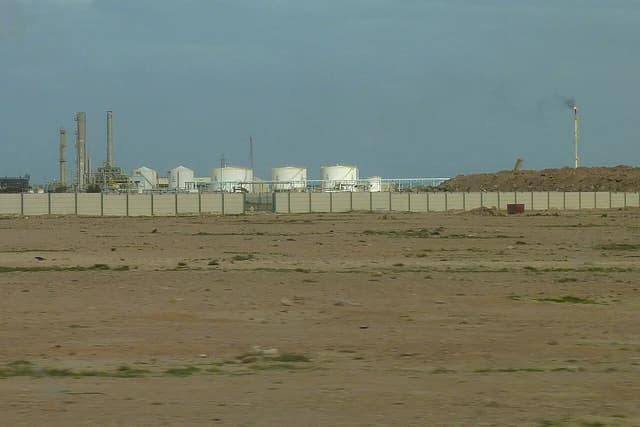
The immediate market focus is Libya, where the shutdown of key crude infrastructure has already deepened losses and highlighted how fragile output remains. The Sharara crude line closure has driven losses above $75 million, with officials and oil executives still discussing ways to raise production despite persistent financial and security strains.
That matters because Libya remains one of the swing sources in a tight oil market. Any prolonged disruption there removes barrels from an already nervous system, while threats around the Strait of Hormuz and other transit routes keep a premium embedded in prices.
The broader geopolitical backdrop is also supporting volatility. Iranian officials said Tehran and Washington remain far apart on ending the conflict but stressed diplomacy is still possible, even as U.S. officials warned military options remain on the table. Any escalation would raise the risk of further supply interruptions across the region.
Refined products added another layer of pressure. U.S. diesel futures fell about 5% intraday after reports of a possible 90-day export ban, although the White House denied those reports. Still, the episode reinforced how policy headlines can quickly jolt fuel markets and widen cracks in supply expectations.
In the U.S., crude inventories rose by about 3 million barrels to 426.4 million barrels last week, against forecasts for a decline. Fuel stocks fell, leaving traders to weigh looser crude balances against tighter product markets.
For investors, the message is that oil remains highly headline-driven and vulnerable to sharp reversals. Brent holding near $102 keeps energy equities, tanker names and refiners sensitive to every update from Libya, Iran and Washington, while consumers and airlines remain exposed if geopolitical risk turns into a lasting supply shock.
The next catalysts are any confirmation of production losses in Libya, further U.S.-Iran developments and the next round of inventory data, all of which could decide whether crude stabilizes or resumes its climb.
| Entity | Gains | Losses |
|---|---|---|
| Oil producers | ▲Higher price support | ▼Demand-side uncertainty |
| Consumers and airlines | ▲Lower crude on the day | ▼Ongoing price volatility |
| Libya | ▲None | ▼Lost output and revenue |
| Energy investors | ▲Trading opportunities | ▼Higher geopolitical risk |