Brent crude fell almost 3% and slipped below $104 a barrel as signs that Saudi Aramco is moving to restore disrupted pipeline capacity within days eased fears of a wider supply shock in the global oil market.
Brent crude falls below $104 on Saudi pipeline hopes

The benchmark for November delivery traded at $103.81 a barrel in London at 1830 GMT, down 2.69%, after swinging between $101.53 and $106.02 during the session. U.S. crude West Texas Intermediate slid 3.21% to $101.26, underscoring how quickly the market is giving back last week’s spike toward $110.
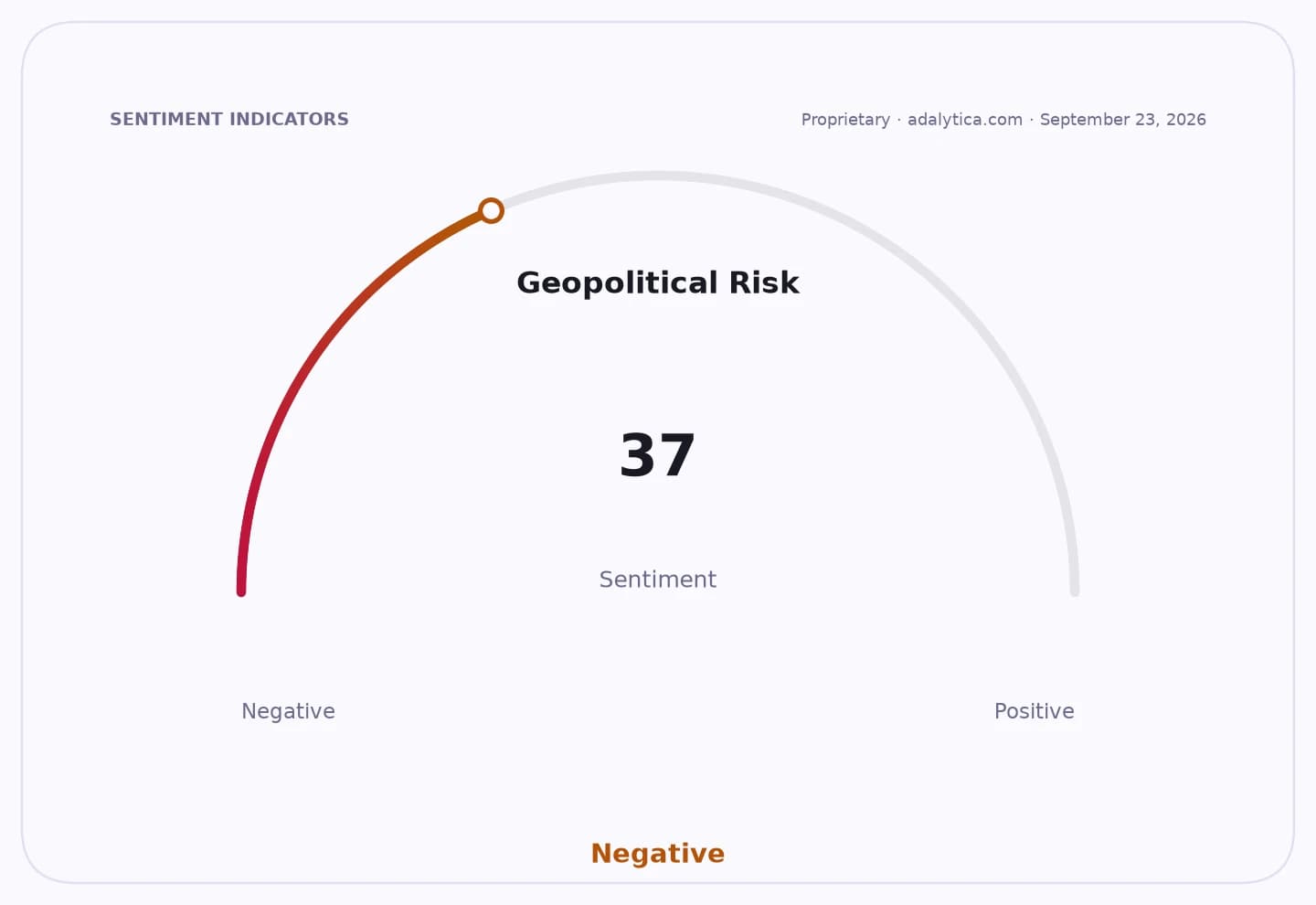
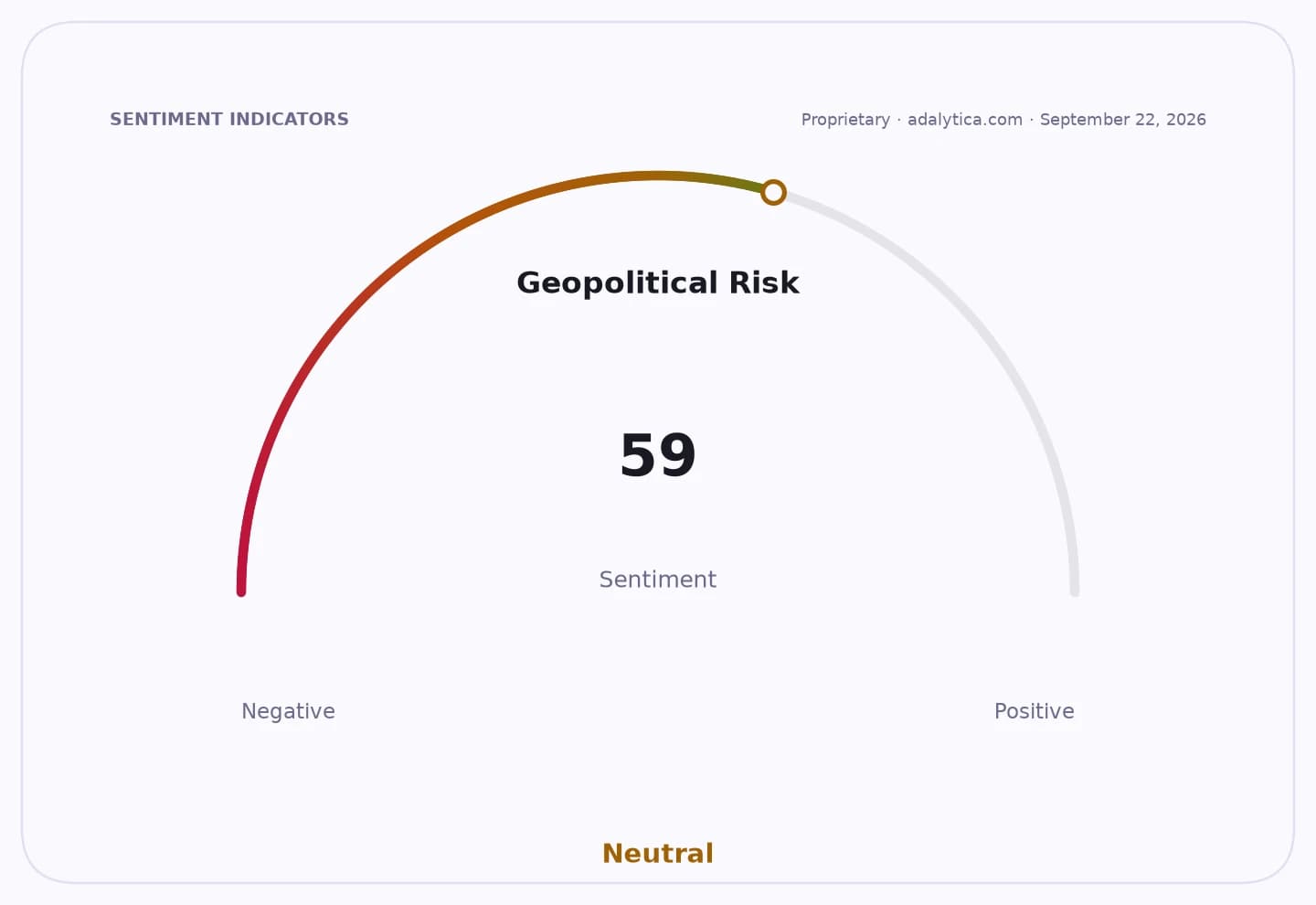
Sentiment IndicatorsⓘProprietary · adalytica.com · September 19, 2026
This is a snapshot — live sentiment, awareness and momentum for 130+ markets update continuously in the dashboard.Open AlphaPulse
The retreat matters because oil has been one of the biggest macro wild cards for inflation, central banks and risk assets. A sustained move above $100 can feed into transport, power and industrial costs, while a pullback eases pressure on consumers and reduces the urgency of more aggressive policy tightening.
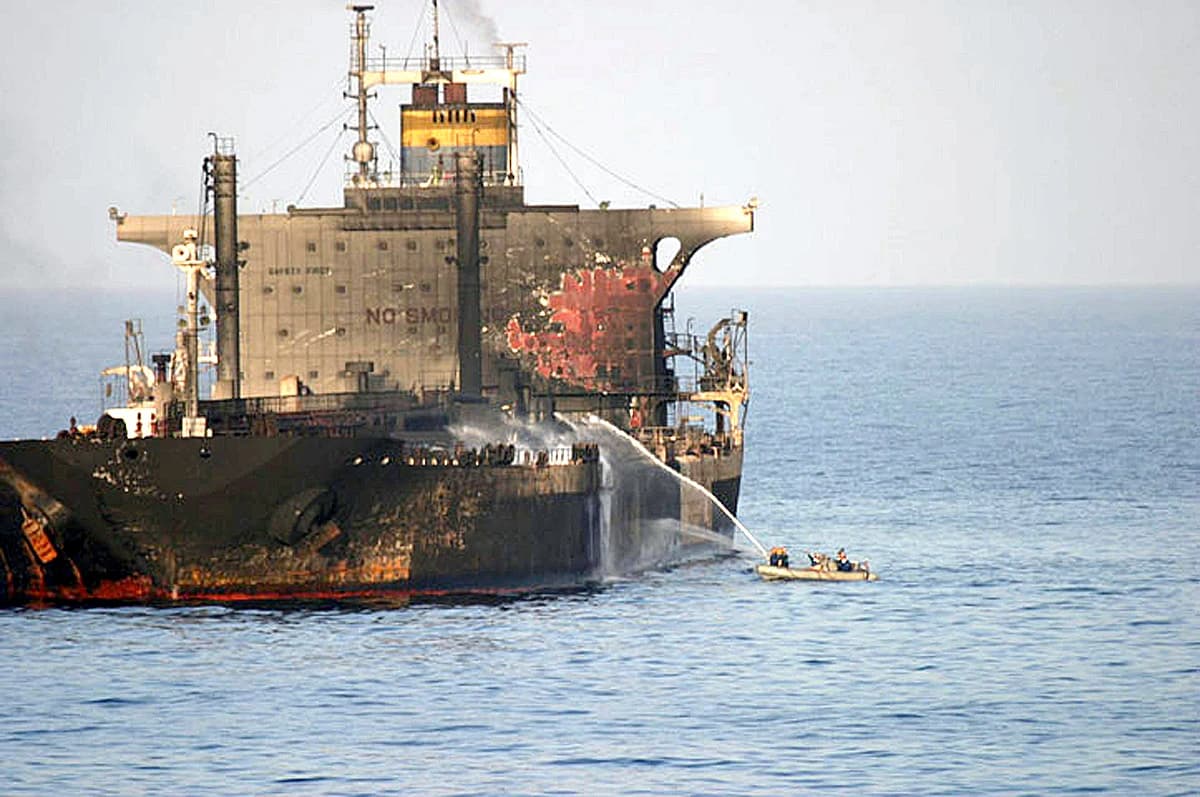
The latest decline followed reports that Saudi Aramco is working to restore about half of the capacity of a pipeline that was hit in recent attacks. Traders also drew comfort from reports that Saudi Arabia offered additional crude cargoes through Oman, softening immediate concern that supplies would remain tight.
The selloff comes after a sharp run-up driven by fears over disruptions to key shipping and pipeline routes in the Middle East, including the Strait of Hormuz, the East-West pipeline and traffic through the Red Sea and Bab el-Mandeb. Those routes are critical to moving millions of barrels a day to Asia and Europe, so any sign of restored flow can quickly knock risk premium out of prices.
For investors, the drop is a near-term relief for airlines, refiners and broader equity markets, while pressuring energy producers and oil-linked exchange-traded funds that have benefited from the surge. It also highlights how headline risk in the Gulf can continue to drive sharp intraday moves even when the underlying supply disruption proves less severe than first feared.
Oil traders are likely to stay focused on Saudi export logistics, the pace of pipeline repairs and whether geopolitical tensions in the region ease further or flare again, keeping crude volatility elevated in the days ahead.
| Entity | Gains | Losses |
|---|---|---|
| Oil consumers | ▲Lower fuel cost pressure | ▼None |
| Airlines and transport stocks | ▲Softer input costs | ▼Margin relief fades if crude rebounds |
| Saudi Aramco and producers | ▲Stabilized export flow | ▼Higher prices ease |
| Oil ETF longs | ▲Volatility opportunities | ▼Spot crude pullback |