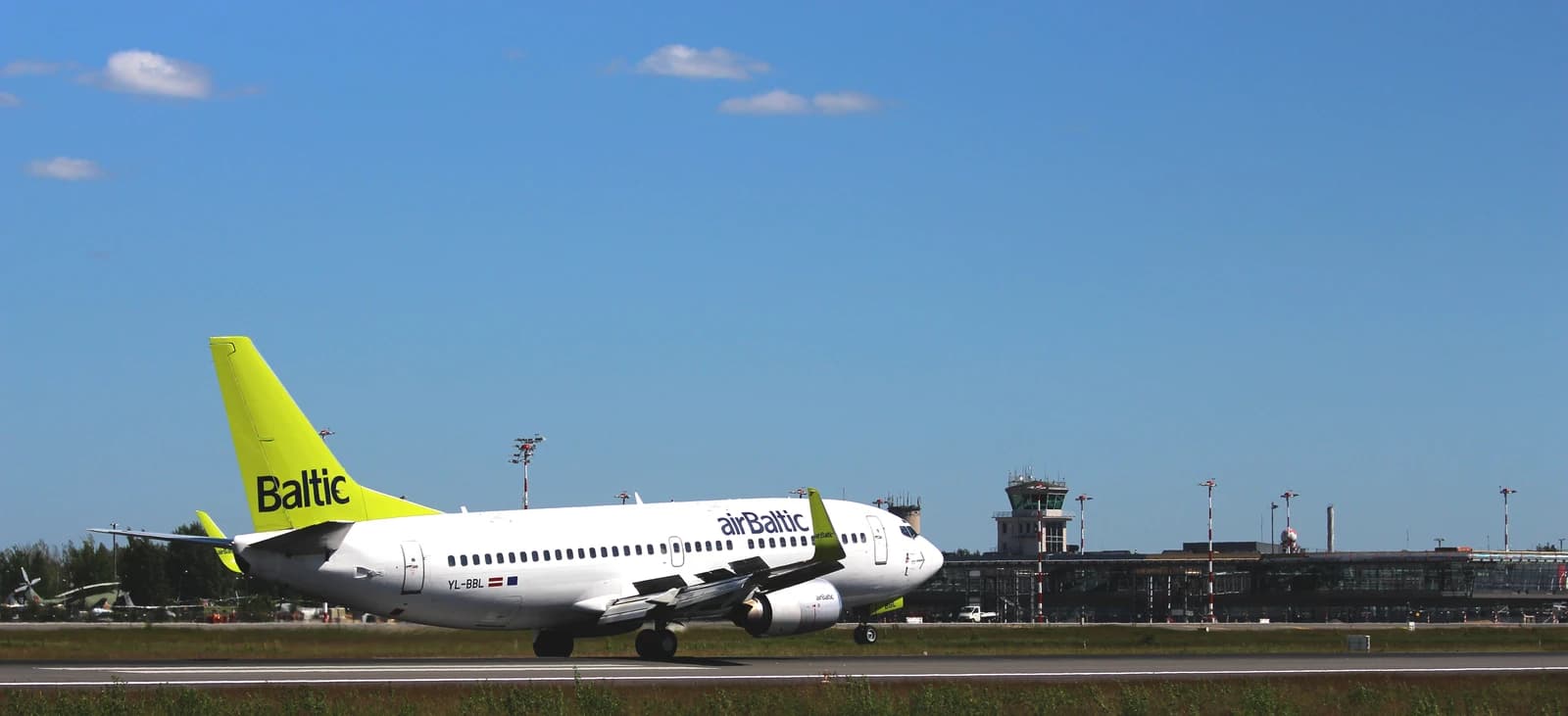
airBaltic’s 503 million euros of funded debt and 856 million euros of lease liabilities have pushed the Latvian carrier into a court-supervised restructuring that will decide whether one of the Baltics’ most important airlines survives as a scaled-down operator or becomes a liquidation case.
airBaltic restructuring, debt load and DIP financing
That is the real economic story here: airBaltic is not simply renegotiating obligations, it is trying to buy time against a balance sheet that leaves almost no room for a normal turnaround. The airline had just 1.13 million euros of cash when it filed for Chapter 11, while advisers say it needs about 350 million euros of fresh financing to keep flying during the process. Without that money, the company says it would be forced to suspend flights and ultimately liquidate.
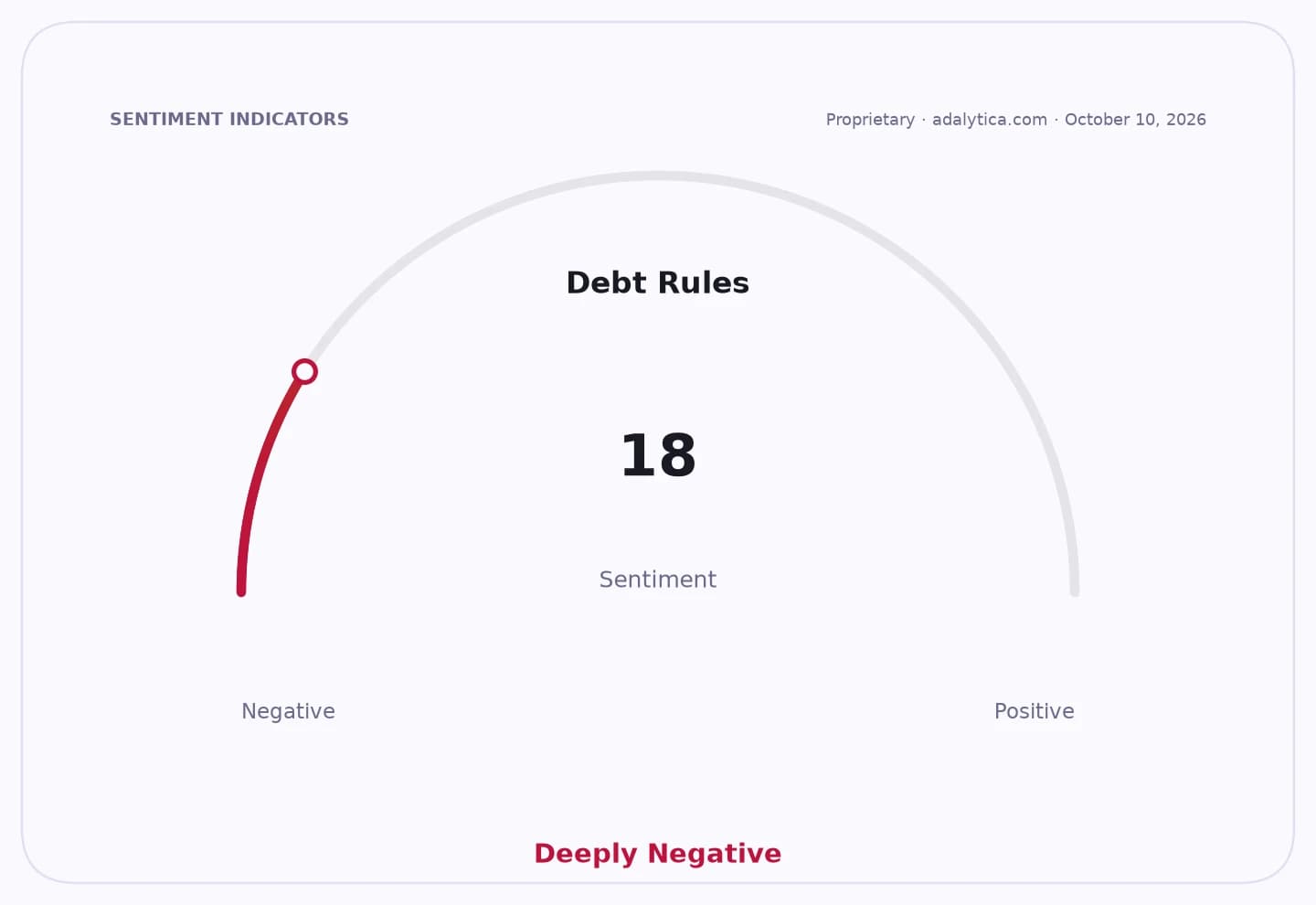
Sentiment IndicatorsⓘProprietary · adalytica.com · October 10, 2026
This is a snapshot — live sentiment, awareness and momentum for 130+ markets update continuously in the dashboard.Open AlphaPulse
For investors, the case is a reminder that airline equity is usually a levered bet on refinancing, fleet access and fuel costs, not just passenger demand. airBaltic’s funded debt includes about 398.2 million euros tied to 14.5% secured bonds due in 2029, 18.6 million euros of Latvian state debt and a smaller bank loan secured by cargo-hangar assets. On top of that sits 78.6 million euros of finance lease liabilities and 855.6 million euros of operating lease liabilities, a structure that leaves creditors fighting over aircraft, engines and cash flow rather than a stable enterprise value.
The company’s rescue hinges on a debtor-in-possession package arranged by Strategic Value Partners and committed by Barclays, Hayfin Capital Management, Morgan Stanley and Oaktree Capital Management, among others. The first tranche of 140 million euros has already been received, including 78.925 million euros to buy eight aircraft and seven engines. The full facility can reach 350 million euros, carries interest of SOFR plus 8% — roughly 12% today — and includes fees of up to 52.5 million euros. That is expensive money, but it is still cheaper than the airline’s abandoned bondholder proposal, which would have raised up to 257 million euros at 25% interest.
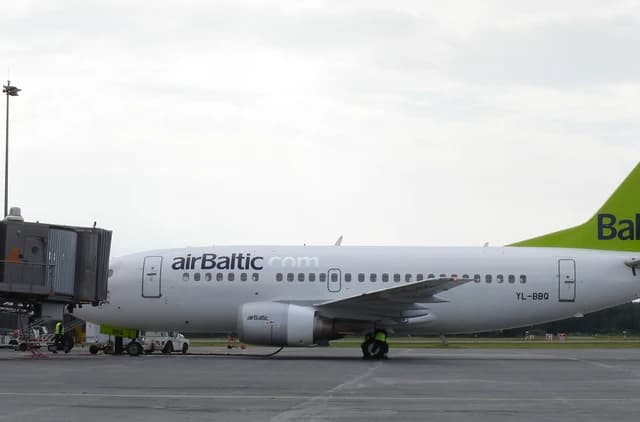
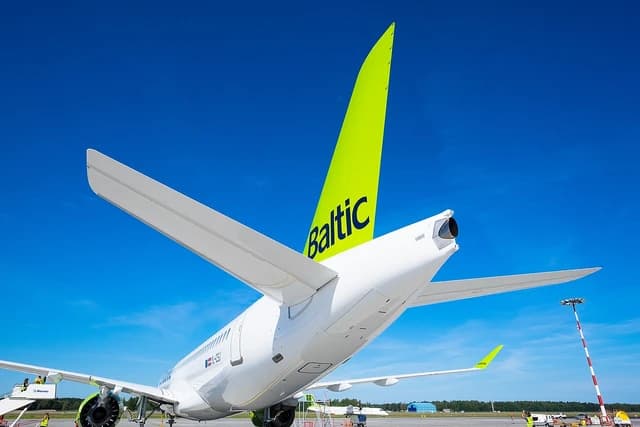
This is also a fleet story, because in airlines the fastest way to create value is often to shrink the lease bill and control the hard assets. airBaltic says it wants to cut its fleet from 54 aircraft to 36 by year-end by returning about 20 surplus jets, a move it says could save about 45 million euros a year. Advisers at Seabury say buying aircraft and engines with DIP financing could unlock about 170 million euros in equity value, which is why bondholders are fighting the court process so aggressively. If the court allows the new money to prime existing claims, the losers are likely to be bondholders; if it does not, the airline’s restructuring becomes much harder to fund.
The broader market read-through is clear. Europe’s airline sector remains vulnerable to a toxic mix of engine shortages, geopolitics, fuel volatility and high lease dependence, even as passenger numbers recover. airBaltic carried 5.2 million passengers last year and trimmed losses to 44.3 million euros, but those improvements were not enough to outrun the capital structure. Lufthansa’s 10% stake gives the carrier strategic relevance, while the Latvian state’s 88.37% holding means the restructuring also has national economic stakes: routes, jobs and connectivity are on the line.
The key question now is not whether airBaltic can keep operating this winter — Chapter 11 and the DIP money buy that breathing room — but whether the restructuring can reset the airline into a smaller, less leased and less fragile business by mid-2027. For investors, the message is straightforward: in capital-intensive transport, the winners are the lenders that control rescue financing and the asset-heavy suppliers behind the fleet, while the losers are legacy equity holders and unsecured creditors who discover too late that revenue growth does not fix an overlevered balance sheet.
| Entity | Gains | Losses |
|---|---|---|
| SVP-led DIP lenders | ▲Priming claims, high yields | ▼Credit risk if restructuring fails |
| airBaltic | ▲Liquidity, operating runway | ▼Equity dilution, asset shrinkage |
| Bondholders | ▲Possible recovery in reorg | ▼Subordination, rights dilution |
| Latvia and Lufthansa | ▲Preserved connectivity, strategic influence | ▼Capital commitment, reputational risk |