Flybondi has entered Argentina’s bankruptcy protection process to restructure liabilities after a sharp operational breakdown left the low-cost carrier with only three aircraft active at home and debt claims topping 4 billion pesos.
Flybondi Enters Argentina Bankruptcy Protection
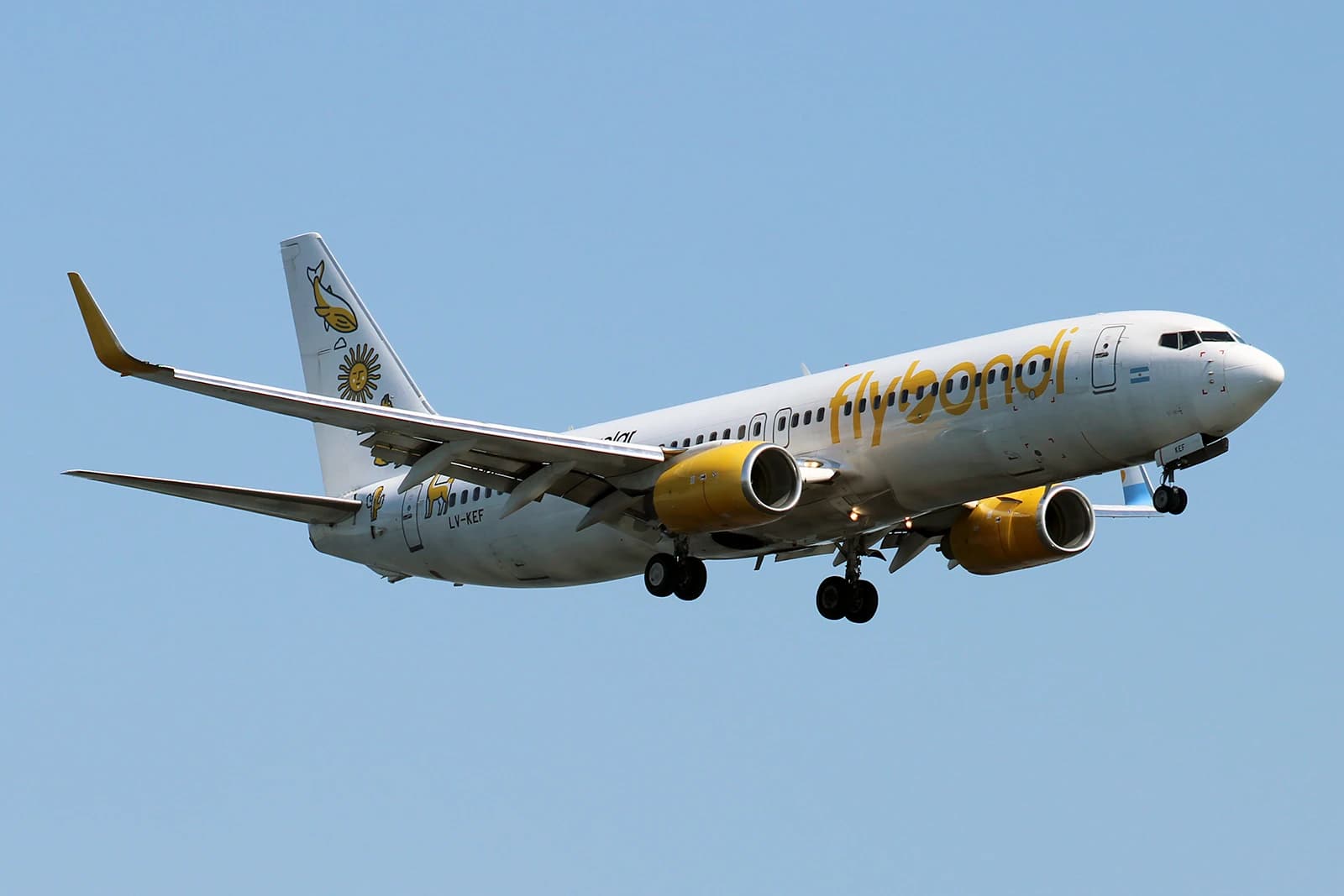
The filing, known locally as a concurso preventivo, gives FB Líneas Aéreas SA temporary breathing room from creditor collection efforts while it tries to negotiate a debt workout under court supervision. For investors and counterparties, the case is now about whether the airline can preserve a going-concern value at all, or whether the collapse in traffic and fleet access becomes irreversible.
Sentiment IndicatorsⓘProprietary · adalytica.com · October 6, 2026
This is a snapshot — live sentiment, awareness and momentum for 130+ markets update continuously in the dashboard.Open AlphaPulse
The petition was filed Oct. 2 in a Buenos Aires commercial court and is still listed as “under review,” with no public ruling yet. Flybondi’s financial strain extends well beyond the publicly identified 4 billion pesos in claims and could approach 4.6 billion pesos once interest and legal costs are included, according to the data provided. Sector sources say that still captures only part of the company’s obligations.
Those liabilities include debts to Argentina’s air-navigation provider EANA, ground-handler Intercargo, fuel suppliers, aircraft lessors, maintenance shops, employees and passengers seeking refunds after cancellations and schedule changes. Two aircraft outside the country also reportedly carry about $5.5 million in maintenance-related debt, underscoring how the airline’s problems have moved from short-term liquidity pressure to a broader solvency crisis.
The filing follows a shareholder fight that surfaced in August between COC Global, which injected more than $70 million in May 2025 to keep the airline operating, and longtime investor Cartesian Capital Group. COC said ARCA tax agency seizures on company bank accounts severely restricted Flybondi’s ability to meet day-to-day obligations, while also accusing the previous management group of unresolved irregularities.
The operational damage has been even starker. ANAC data show Flybondi carried 254,533 domestic passengers in August 2025, or 17% of the local market. By August 2026, with most of the fleet grounded or returned, it carried just 1,865 passengers, or 0.1% of the market — a collapse of more than 252,000 travelers year on year.
For Argentina’s aviation market, the case highlights how quickly a carrier built on low fares and leased aircraft can unravel when financing, tax enforcement and fleet access all tighten at once. For creditors, lessors and suppliers, the main question is whether there is enough residual value in the business to support a negotiated restructuring, or whether the court process merely delays a deeper liquidation scenario.
| Entity | Gains | Losses |
|---|---|---|
| Flybondi | ▲Breathing room to restructure | ▼Creditor pressure, market share |
| Creditors and suppliers | ▲Potential recovery via court process | ▼Immediate collection, payment delays |
| Passengers | ▲Possible service continuity | ▼Refund delays, fewer routes |
| Competitors | ▲Market share gain in Argentina | ▼More price competition later |