Airbnb is building an AI-powered travel agent that could do much more than answer questions — it could become the front door to booking, changing, refunding and rebooking travel on its platform.
Airbnb plans AI travel agent for bookings and refunds
That matters because trip planning is one of the most valuable parts of the online travel journey, and it is still surprisingly fragmented. If Airbnb can make discovery, comparison and checkout feel seamless in one visual interface, it can deepen customer engagement, reduce friction and capture more of the economics around a vacation before a traveler ever leaves home.
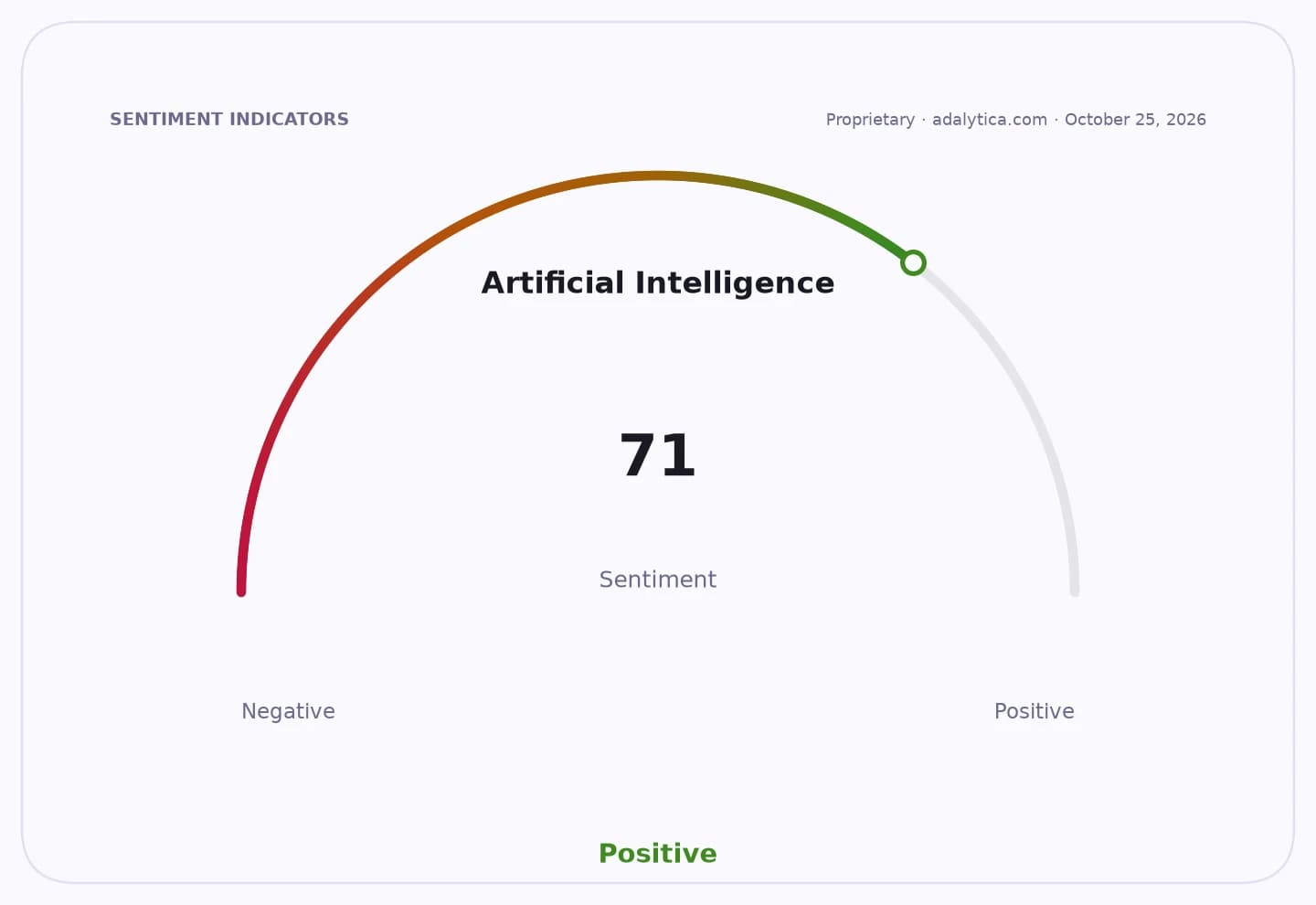
Sentiment Indicators
Chief Executive Brian Chesky said the company expects to roll out the new tool in the first half of 2027, and that it will be designed differently from a standard chatbot. Instead of long text replies, Airbnb wants a visual experience built around maps, photos, property comparisons, calendars and itineraries. In other words, it is trying to make AI useful for travel rather than merely conversational.
That distinction matters for investors because the first generation of AI products often looked impressive but did not always change behavior. A travel agent that can help a family compare homes, check dates, arrange activities, modify reservations, resolve payment issues and request refunds has a clearer path to monetization. The more Airbnb owns the planning process, the more it can influence conversion, repeat bookings and customer loyalty.
The move also fits a broader race across online travel to build AI-driven tools that keep users inside a company’s ecosystem. Booking Holdings and Expedia have both talked up AI-powered traveler experiences, while the sector continues to compete on ease of use, direct bookings and platform strength. For Airbnb, the opportunity is to turn its brand from a place to find a stay into a broader travel companion that stretches into hotels, services and experiences.
There is also a strategic layer here. Airbnb says it wants the agent to go beyond vacation homes, which suggests a larger ambition to become a more general travel platform. That could open the door to a larger share of wallet over time, especially if the tool becomes good enough to handle the tedious parts of travel that travelers tolerate today but would rather automate tomorrow.
Investors should keep one eye on the upside and another on execution. Airbnb has not disclosed all the features of the product, and the company will need to prove that the experience is not just novel but genuinely better than existing search and booking flows. Still, the direction is encouraging: if AI can reduce friction in travel, platforms with the richest inventory and strongest consumer trust should be the first to benefit.
For long-term investors, this is less about the launch date than the platform shift it points to. Airbnb is trying to use AI to make its marketplace more indispensable, and that is exactly the kind of product evolution that can support durable growth over years, not quarters. Worth watching closely.
| Entity | Gains | Losses |
|---|---|---|
| Airbnb | ▲Higher engagement, more bookings | ▼Reliance on flawless execution |
| Travelers | ▲Easier planning, faster rebooking | ▼Less benefit if the tool is clunky |
| Booking Holdings | ▲Pressure to match AI features | ▼Risk of losing share of trip planning |
| Expedia | ▲Incentive to accelerate AI rollout | ▼More competition for direct traffic |