Air travel demand is climbing again, and that matters because stronger passenger volumes are finally showing up in airline revenues rather than just in crowded terminals and higher fuel bills.
Airlines See Higher Passenger Revenue as Demand Rises
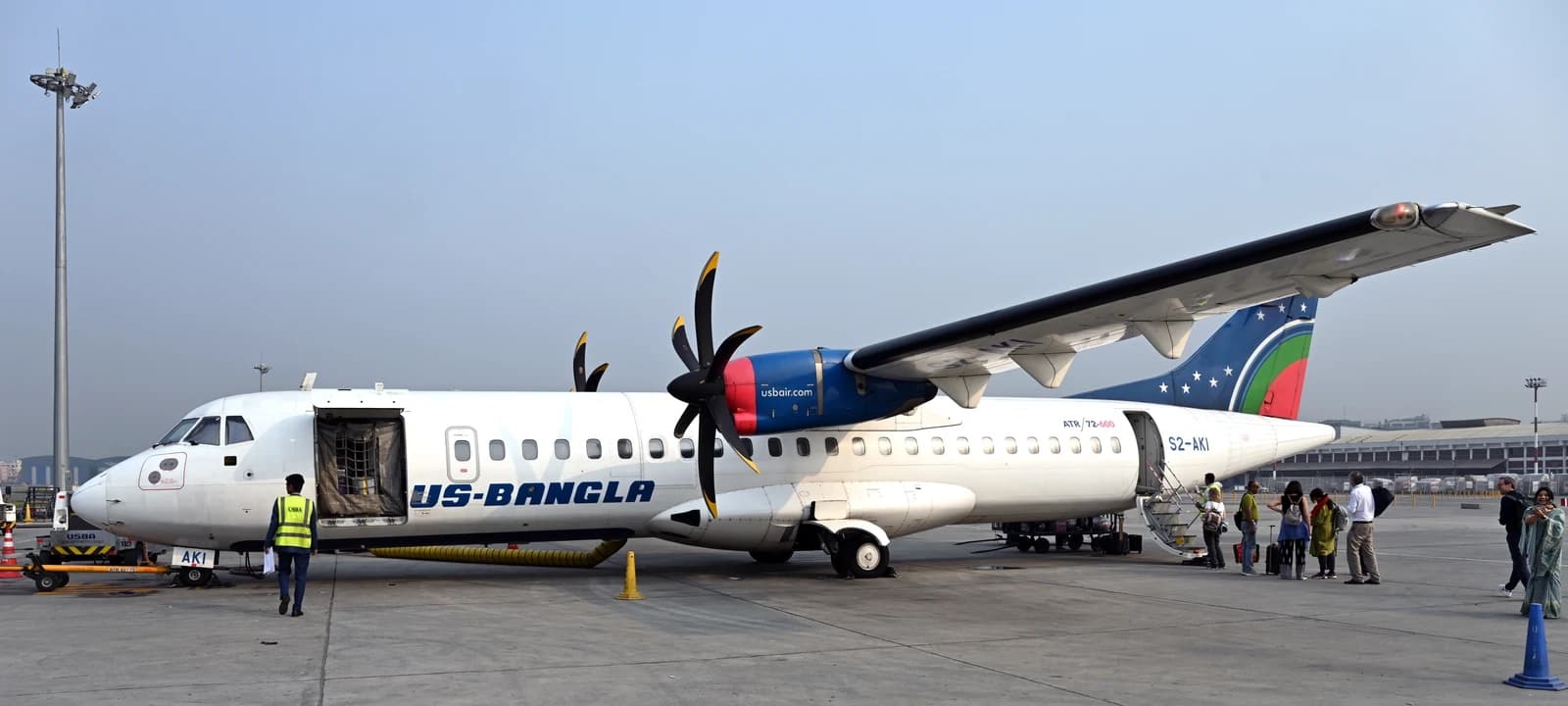
For investors, the key story is not simply that more people are flying. It is that the industry is still proving it can convert that demand into better pricing power, higher revenue and, in some cases, fuller planes without the kind of capacity glut that usually destroys returns. That is the difference between a cyclical rebound and a more durable earnings recovery.
The latest read-through from the sector points to broad-based strength. In the United States, major carriers have already reported solid second-quarter results: American Airlines said passenger revenue rose 15.9% to $15.2 billion, while United and Delta also posted higher passenger revenue as traffic and yields improved. That is important because it suggests demand is not just recovering in one pocket of the market — it is supporting a wide swath of the global airline industry.
The airline ETF, JETS, has reflected that optimism, with shares recently edging higher and trading near their 50-day moving average. Delta, meanwhile, has pushed back toward its 200-day moving average after a volatile stretch, while American remains well below those longer-term trend lines, showing how uneven the market’s confidence remains even as fundamentals improve. Those technical levels matter less as trading signals than as a reminder that investors are still sorting winners from laggards.
The economics behind the demand story are straightforward. Airlines make money when traffic rises faster than costs and when they can hold fares or improve yields. The recent filings show that is happening: United said passenger revenue increased 16.4% in the second quarter, helped by a 12.1% increase in yield and a 5.4% rise in passengers flown. Delta also pointed to strong domestic demand. In plain English, travelers are booking, and airlines are being able to charge enough to make those bookings profitable.
That is especially relevant in a business where small changes in load factor, ticket pricing and aircraft utilization can swing earnings sharply. Air transport is one of the clearest examples of a high-fixed-cost industry: once planes, crews and routes are in place, each incremental passenger can contribute meaningfully to profit. That gives investors leverage to demand trends, both on the upside and the downside.
There are still risks. Europe’s recovery is lagging, airfare affordability remains a concern, and airlines face persistent pressure from labor, maintenance and fuel costs. Some carriers are also navigating shifting route demand and uneven international recovery. But the bigger picture is that air travel is proving resilient, and the industry is no longer relying solely on post-pandemic catch-up demand.
For long-term investors, that makes the sector worth watching, not chasing. Airlines are still cyclical businesses, and their profits can disappear quickly if capacity gets too aggressive or the economy slows. But as a group, the biggest carriers now have stronger balance sheets, better discipline and a demand backdrop that looks healthier than it did a year ago. If travel volumes keep rising and yields hold up, the companies best positioned on network strength and cost control could keep compounding value over the next few years.
| Entity | Gains | Losses |
|---|---|---|
| Airlines | ▲Higher passenger revenue | ▼Capacity pressure |
| Travelers | ▲More route options | ▼Higher fares |
| JETS ETF holders | ▲Sector rebound potential | ▼Airline volatility |
| Lagging carriers | ▲Demand tailwind | ▼Uneven investor confidence |