July 3, 2026 — Alibaba Group’s ban on employees using Anthropic’s Claude Code has turned a dispute over alleged AI model theft into a fresh test of investor appetite for Chinese technology stocks exposed to U.S.-China tensions.
Alibaba AI Dispute Raises Geopolitical Valuation Risk
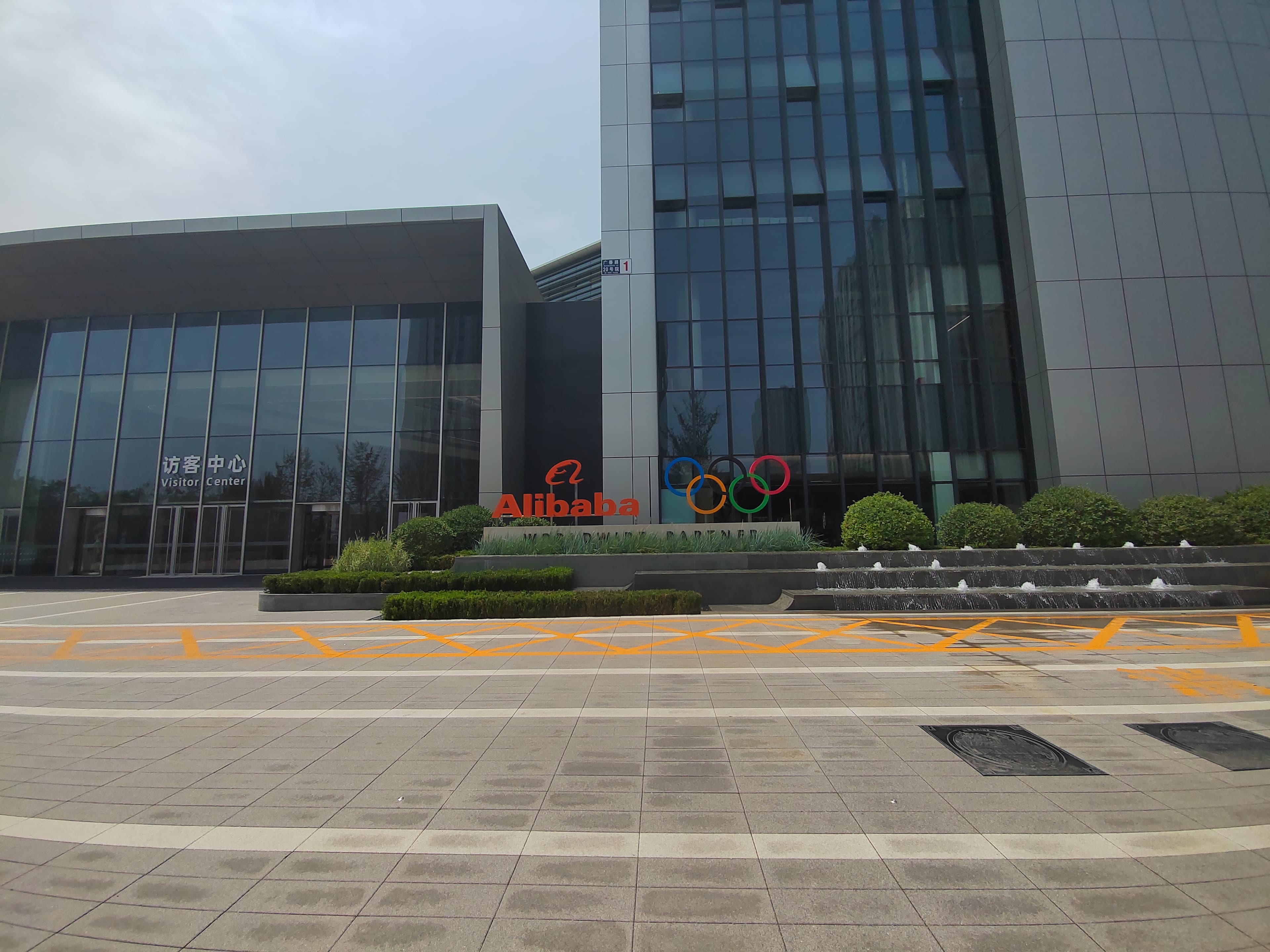
The move follows allegations by Anthropic that Alibaba engaged in targeted tracking of China traffic and used millions of fraudulent queries in an attempt to train its own artificial intelligence models. Alibaba’s internal prohibition may limit immediate legal and security exposure, but it also underscores a larger economic risk: the global AI race is becoming less open, more litigated and more vulnerable to geopolitical controls.
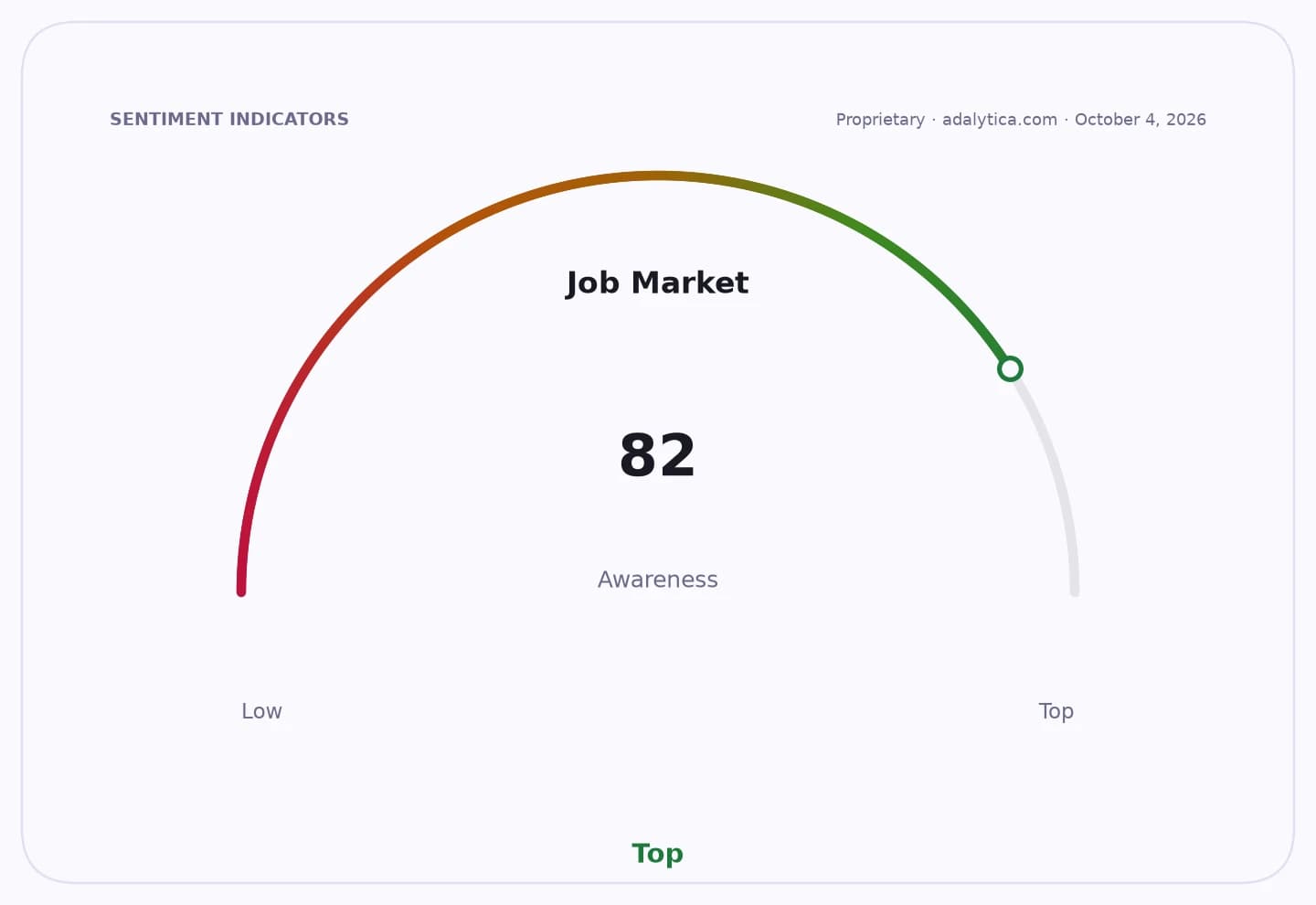
Sentiment IndicatorsⓘProprietary · adalytica.com · July 3, 2026
This is a snapshot — live sentiment, awareness and momentum for 130+ markets update continuously in the dashboard.Open AlphaPulse

For Alibaba, the stakes are tied to its cloud and AI strategy, one of the main growth narratives investors use to justify a premium on the company beyond its core e-commerce business. Any perception that its AI development depends on access to U.S. tools, or that it faces accusations over intellectual property, could deepen the regulatory discount already applied to Chinese internet shares.
Investor anxiety has intensified. Proprietary indicators from Adalytica.com show Alibaba earnings sentiment fell to 4, labeled “Extreme Fear,” down 37 points in one day and 22 points over the past week. Awareness remained at 70, suggesting the deterioration is not merely a niche signal but is being registered by a broader market audience.
Alibaba Group — 30-day sentimentadalytica.com
Explore this data interactively — full history, time series and cross-market comparisons.Open AlphaPulse

The economic significance extends beyond one company. Anthropic’s accusations reflect a widening fault line in AI: U.S. model developers are increasingly treating usage data, coding assistants and inference access as strategic assets, while Chinese technology firms face pressure to build domestic alternatives as access to advanced chips, models and developer tools remains politically exposed.
That dynamic could raise costs across the sector. If AI firms tighten access controls, restrict cross-border usage or face new regulatory scrutiny, companies may need to spend more on compliance, proprietary infrastructure and domestic substitutes. That would benefit firms with already scaled model ecosystems but hurt enterprises that rely on flexible access to global AI tools.
For Anthropic, the confrontation may strengthen its case for tighter protections around Claude and its coding products, but it also risks accelerating fragmentation of the AI market. For Alibaba, the ban helps draw a compliance line internally while leaving unresolved the larger question of whether global customers and regulators will view its AI ambitions as commercially competitive or politically sensitive.
The next catalyst will be whether the dispute remains a corporate access-control issue or draws legal, regulatory or government attention. For investors, the risk is that AI — once framed as Alibaba’s next growth engine — becomes another channel through which geopolitical tension weighs on valuation.
| Entity | Gains | Losses |
|---|---|---|
| Anthropic | ▲IP enforcement leverage | ▼China usage exposure |
| Alibaba | ▲Push to own-stack AI | ▼Trust and regulatory risk |
| U.S. AI rivals | ▲Stronger moat narrative | ▼Retaliation risk |
| Enterprise AI customers | ▲Clearer compliance rules | ▼Fewer cross-border tools |