Nvidia still has the flashier AI story, but Alphabet is increasingly looking like the steadier compounder — and that matters because the market is beginning to price artificial intelligence less as a single-chip boom and more as a multi-year earnings engine.
Alphabet AI revenue broadens as Nvidia growth slows
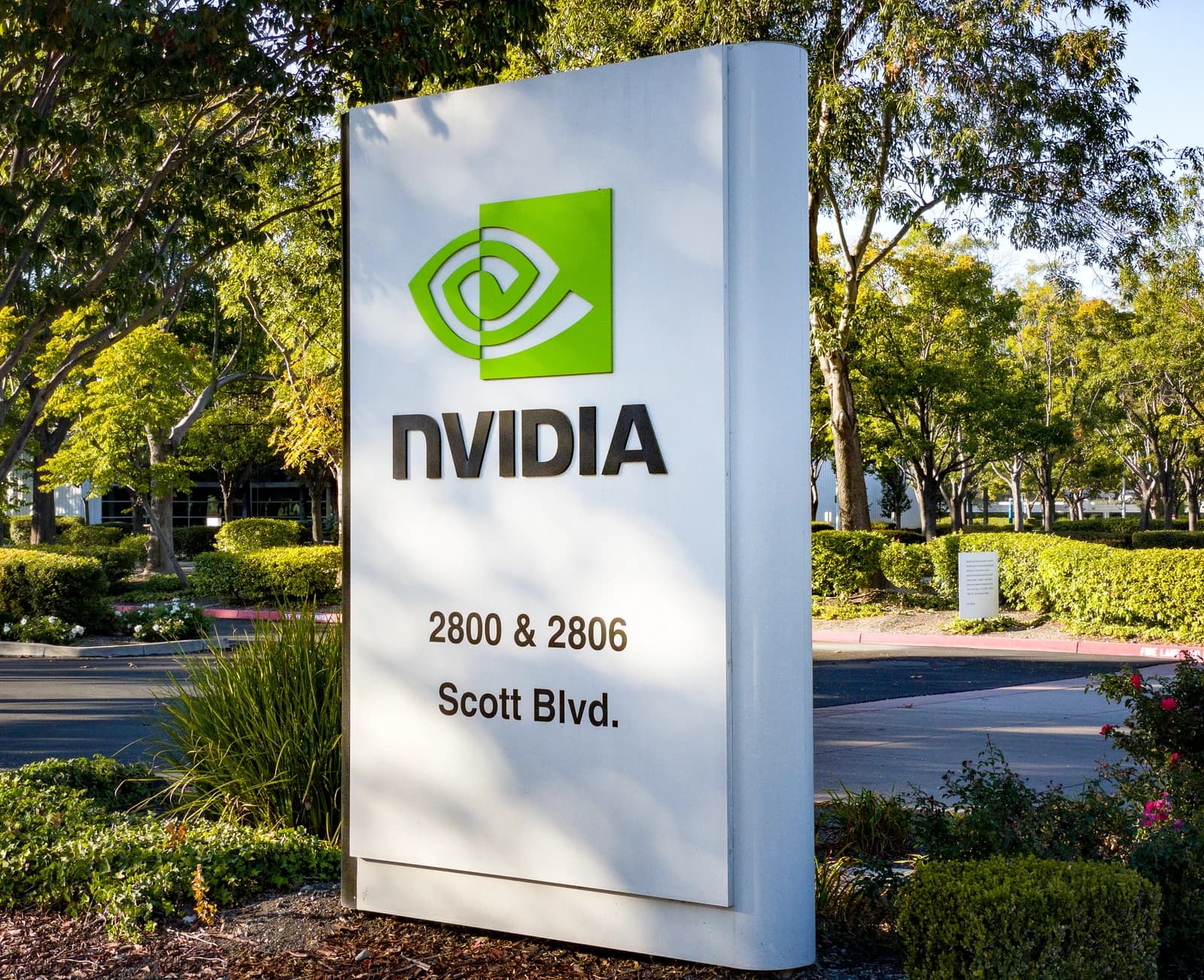
For investors, that shift is important. Nvidia’s revenue has nearly tripled over two years, a stunning pace that made it the purest way to play the AI buildout. Alphabet, meanwhile, has grown more steadily, but its recent filings show something just as meaningful: AI is becoming embedded across the company’s core businesses, not just bolted onto them. The gap between the two companies is narrowing faster than many expected because Alphabet is turning AI into revenue across search, cloud and custom silicon while Nvidia is now facing tougher comparisons after a breathtaking run.
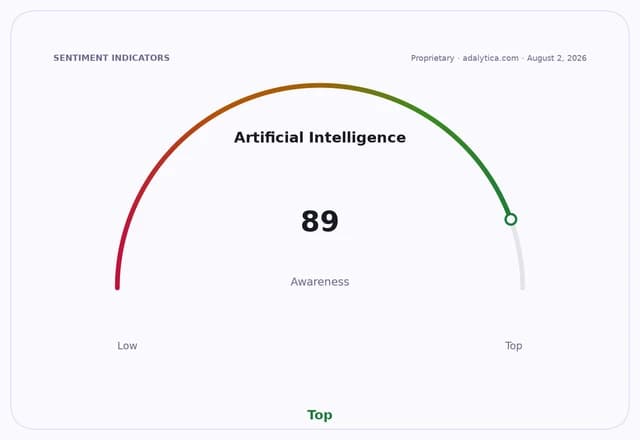
Sentiment IndicatorsⓘProprietary · adalytica.com · August 2, 2026
This is a snapshot — live sentiment, awareness and momentum for 130+ markets update continuously in the dashboard.Open AlphaPulse

That is the real investing lesson here. Nvidia’s growth has been explosive, but explosive growth eventually becomes harder to sustain once the base gets much larger. Alphabet’s advantage is different: it does not need one blockbuster quarter to justify its long-term thesis. It has a massive installed base, huge cash generation and a growing AI stack that can improve ad targeting, cloud economics and enterprise demand over time. In other words, Alphabet is not trying to win the AI race in the same way Nvidia is; it is trying to make AI part of a far broader and more durable business model.
The market is already reflecting that tension. Nvidia’s shares have swung around its 50-day moving average and 200-day moving average as investors digest whether the AI infrastructure spending cycle can keep compounding at the same pace. Alphabet, by contrast, has shown that even when its stock cools, the long-term case can keep strengthening because the company is monetizing AI in more than one place. Its latest quarterly filing also noted that it began recognizing revenue from TPU systems in the second quarter, a reminder that Alphabet is increasingly monetizing the very infrastructure stack that once seemed like Nvidia’s exclusive turf.
That matters economically because AI is moving from a capital-spending story to a revenue story. Microsoft’s recent surge after reporting stronger Azure and AI-related growth underlined that point: companies are not just buying chips and servers, they are buying productivity, cloud capacity and monetizable software. Alphabet is positioned to capture that spending from both sides — as a seller of cloud services and AI tools, and as the owner of a search and advertising franchise that can use AI to protect and extend margins.
For long-term investors, the question is not whether Nvidia remains a leader. It almost certainly does. The question is whether the next five years will reward only the most obvious AI infrastructure name, or whether the winners will broaden into the companies that can turn AI into recurring cash flow. Alphabet looks better suited to that second stage of the cycle. Nvidia may still offer faster revenue growth, but Alphabet may offer the more resilient path to compounding.
None of this means investors should choose one and ignore the other. The best approach in a rapidly evolving AI market is usually diversification, patience and a willingness to own the picks and shovels as well as the platforms that use them. But if you are asking which company’s revenue trend tells the more interesting story from here, Alphabet’s may prove the more important one. For investors thinking in years, not weeks, that makes Alphabet worth watching closely — and Nvidia worth holding with realistic expectations.
| Entity | Gains | Losses |
|---|---|---|
| Alphabet | ▲AI monetization across cloud, ads, TPU systems | ▼“Nvidia-only” AI narrative |
| Nvidia | ▲Still dominates AI infrastructure spending | ▼Easier growth comparisons |
| Cloud and AI buyers | ▲More supplier choice, broader product set | ▼Dependence on scarce AI capacity |
| Short-term momentum traders | ▲Volatility and trend swings | ▼Clear one-way trade in AI names |