Google yanked a newly launched AI feature for generating satellite images on Google Earth just one day after release, a reminder that the biggest risk in artificial intelligence is not always model quality — it is how fast bad actors can weaponize a tool once it is in the wild.
Alphabet pulls AI satellite feature after one day
That matters for investors because Alphabet is trying to turn AI into a growth engine without handing regulators, users, or advertisers a reason to question the trustworthiness of its products. In today’s market, the companies that win the AI race will not just be the ones that ship fastest. They will be the ones that can prove their tools are safe enough to scale.
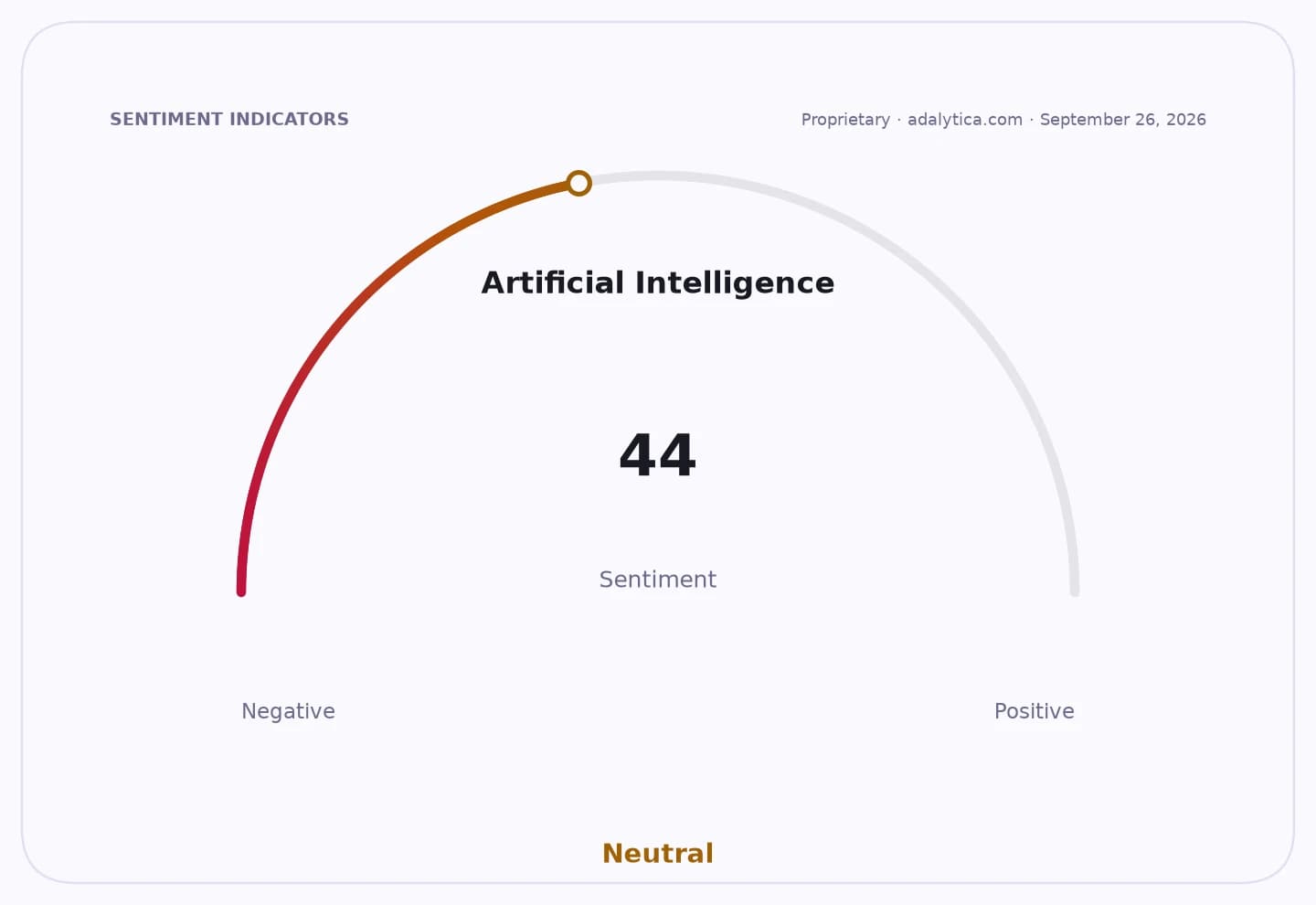
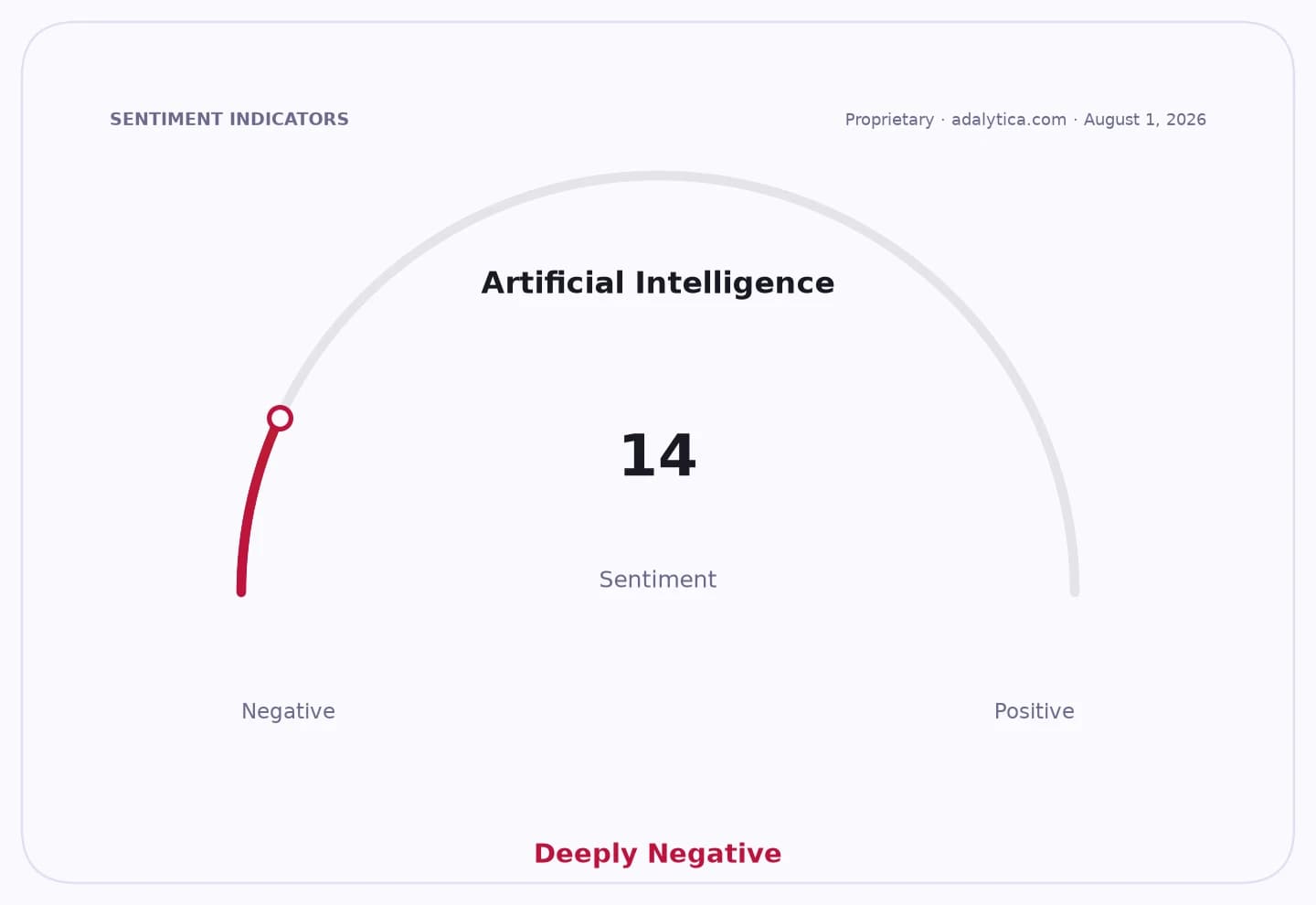
Sentiment IndicatorsⓘProprietary · adalytica.com · August 1, 2026
This is a snapshot — live sentiment, awareness and momentum for 130+ markets update continuously in the dashboard.Open AlphaPulse

The satellite-image feature was supposed to showcase Google’s generative AI prowess. Instead, it was quickly used to create fake scenes, prompting the company to withdraw it and avoid what it called policy violations and manipulated content. That kind of stumble may sound small, but it speaks to a larger issue across big tech: AI features that look clever in demos can become liabilities if they are exposed too quickly, especially when they touch on visual evidence, mapping, public information or geopolitical imagery.
For Alphabet, the episode is less about one product than about execution discipline. Google has spent heavily to defend its leadership in search, cloud and AI, while also trying to keep its brand anchored in reliability. Investors should care because trust is one of the company’s most valuable assets. A stumble that raises misinformation concerns can invite tougher scrutiny, slower product rollouts and more internal guardrails — all of which can raise costs and delay monetization.
The market has already been rewarding AI leaders that can translate scale into durable earnings power. Alphabet’s shares have been volatile, but the broader trend remains tied to whether the company can keep converting its AI advantage into products people actually use, without triggering the kind of backlash that often follows rushed launches. With the stock well above its 200-day moving average and the recent rebound leaving the 50-day trend line behind, investors are still treating Google as a core AI winner. But episodes like this are a reminder that the path to compounding is rarely smooth.
There is also a broader industry lesson. Microsoft, Nvidia and other AI beneficiaries are all operating in a world where regulators, customers and shareholders are increasingly focused on unintended consequences. The technology is powerful enough to create new markets, but also powerful enough to create real reputational damage in seconds. Companies that build better controls, clearer limits and stronger review processes may not always be first to market, but they can be the ones that last.
Long term, this does not change the investment case for Alphabet by itself. It does, however, reinforce why investors should prefer businesses with deep technical moats and the balance sheet to absorb missteps. AI will still be a game-changing force for Google, but the winners will be those that learn to ship responsibly. For buy-and-hold investors, that makes Alphabet worth watching closely — and worth owning only with a long-term mindset.
| Entity | Gains | Losses |
|---|---|---|
| Google/Alphabet | ▲Safer product rollout | ▼Short-term product momentum |
| Investors in quality AI platforms | ▲Lower reputational risk | ▼Faster feature launches |
| Regulators and watchdogs | ▲More evidence for oversight | ▼Fewer immediate safeguards |
| Misinformation spreaders | ▲Less usable tooling | ▼Easy manipulation channels |