Google’s purchase of data from a failed US airline underscores how aggressively artificial intelligence developers are hunting for proprietary training material, even as the economics of building frontier models become more expensive and more legally fraught.
Alphabet buys airline data for AI training

For Alphabet, the value of the deal is not the airline itself but the data exhaust it left behind: records tied to routes, bookings, pricing, operations and customer behavior can help improve models that need real-world, industry-specific inputs rather than generic web text. That matters because the next phase of AI competition is increasingly about data quality, not just scale. Companies with access to differentiated datasets can widen the gap in search, cloud and enterprise tools, while those forced to train on commodity data risk weaker performance and higher churn.
Sentiment IndicatorsⓘProprietary · adalytica.com · August 18, 2026
This is a snapshot — live sentiment, awareness and momentum for 130+ markets update continuously in the dashboard.Open AlphaPulse
The move also highlights a broader squeeze on AI margins. Alphabet has already centralized certain AI-related research and frontier-model development at the company level, a sign that the spending burden is being managed as a strategic corporate priority. Investors have rewarded the stock for its AI positioning, but the technical picture shows a more volatile stretch: shares closed at $344.00 on Monday, below a recent peak of $382.74 in May and only modestly above the 200-day moving average near $331.49. The 50-day average at $353.33 suggests the stock is still trying to re-establish trend support after a sharp summer pullback.
The market is also wrestling with the regulatory and legal risks around training data. Microsoft has flagged in its annual filing that AI systems can create liability, regulatory and competitive harm, while acknowledging that training datasets may be flawed, overbroad or contaminated. That tension is central to Google’s latest move: buying data can speed model development, but it can also invite scrutiny over consent, ownership and privacy, especially when the source is a bankrupt airline whose assets are being monetized in liquidation.
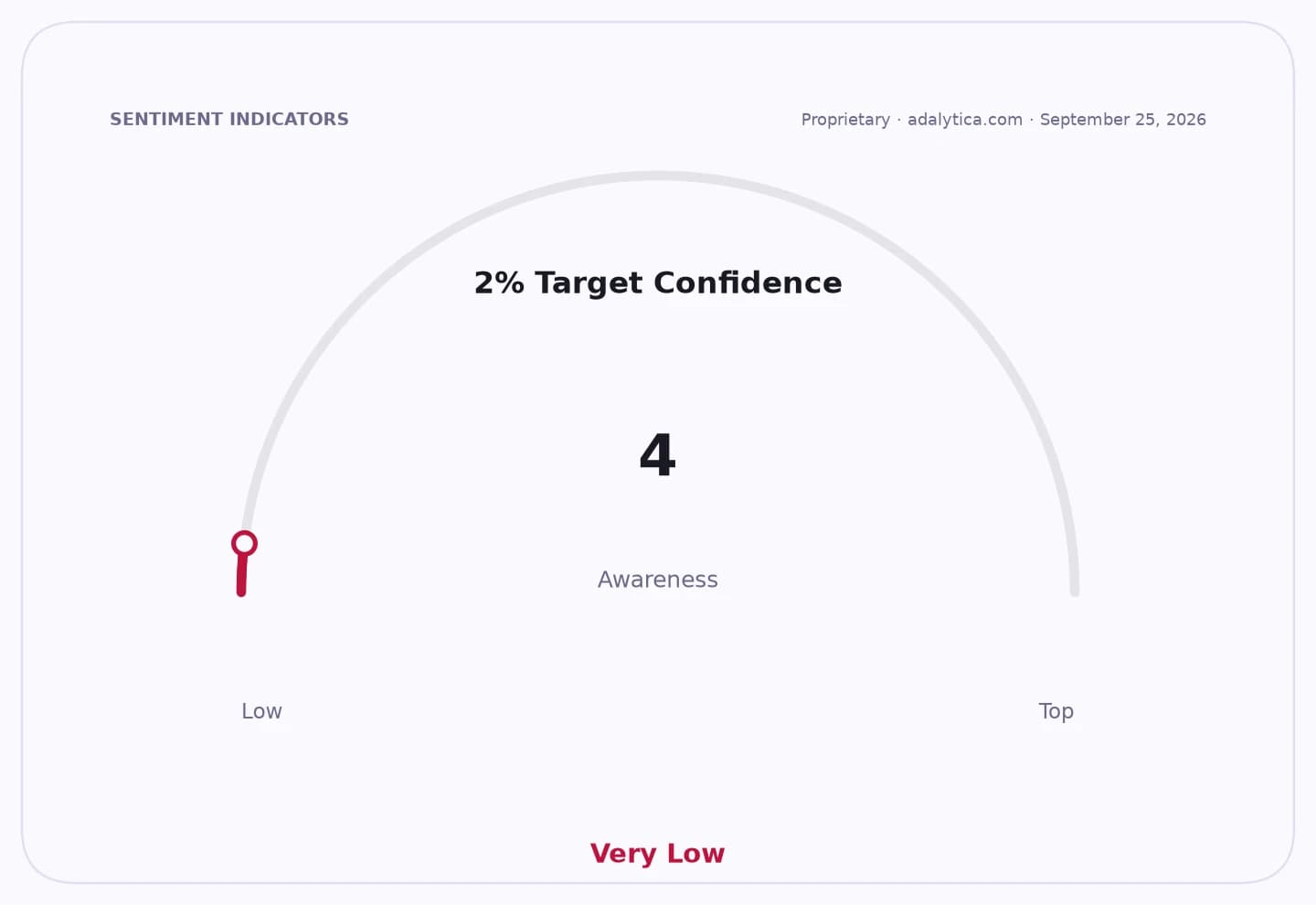
For investors, the key question is whether this kind of targeted data acquisition improves model performance enough to justify the cost and legal complexity. Bulls will argue that proprietary datasets are becoming a durable moat and that Alphabet can absorb the spending through its scale and cloud economics. Bears will note that the company is paying more for harder-to-defend inputs at a time when AI sentiment across the sector has swung sharply — Adalytica’s AI gauge shows extreme fear after a swift drop in awareness and sentiment — suggesting the market is increasingly sensitive to any sign that the AI buildout is becoming more expensive than advertised.
The bigger narrative is that AI has entered a second, more industrial phase. The winners are no longer just the companies with the largest models, but the ones that can secure specialized data, navigate legal risk and turn expensive training into monetizable product improvements. For Google, the airline deal is a small transaction with a large strategic signal: the data war is moving deeper into real-world industries, and the cost of staying ahead is rising.
| Entity | Gains | Losses |
|---|---|---|
| Google/Alphabet | ▲Better training data | ▼Higher legal and data costs |
| Airline creditors/liquidators | ▲Cash from data sale | ▼Limited upside from asset fire sale |
| AI rivals without proprietary data | ▲— | ▼Competitive gap widens |
| Privacy litigants/regulators | ▲— | ▼Harder-to-police data deals |