The arrest of Alta Bank owner Davor Macura after Serbia’s central bank stripped the lender of its licence turns a liquidity failure into a full-blown systemic trust event, raising the stakes for depositors, regulators and regional banking investors.
Alta Bank Licence Revoked After Owner Arrest

Authorities say Macura is suspected of illegally withdrawing about 45 billion dinars, or nearly 385 million euros, from Alta Bank’s treasury, allegedly with the help of two employees. The National Bank of Serbia revoked the bank’s operating licence on Oct. 31 after warning of a sharp deterioration in finances and a liquidity shortfall that put depositors at risk.
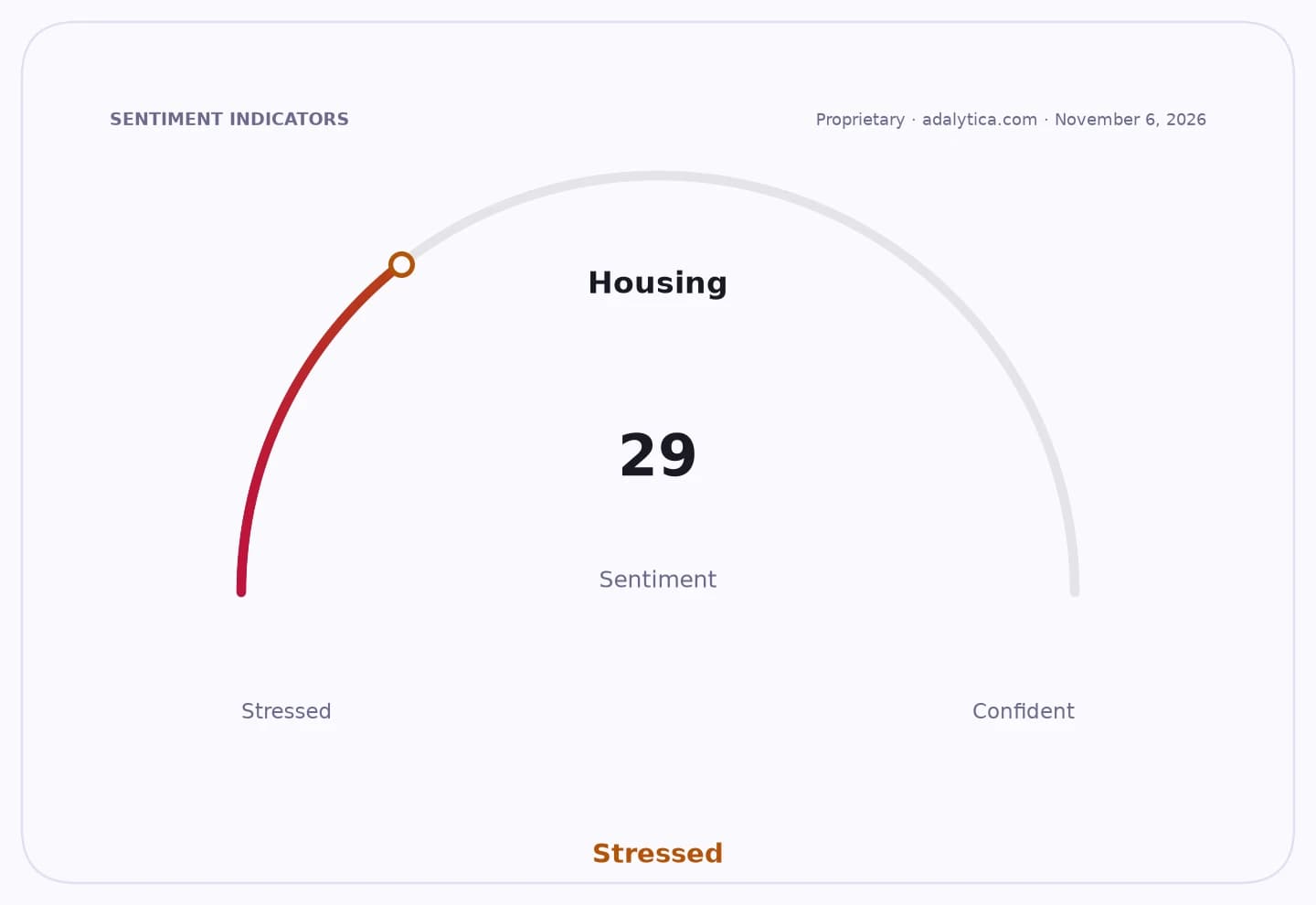
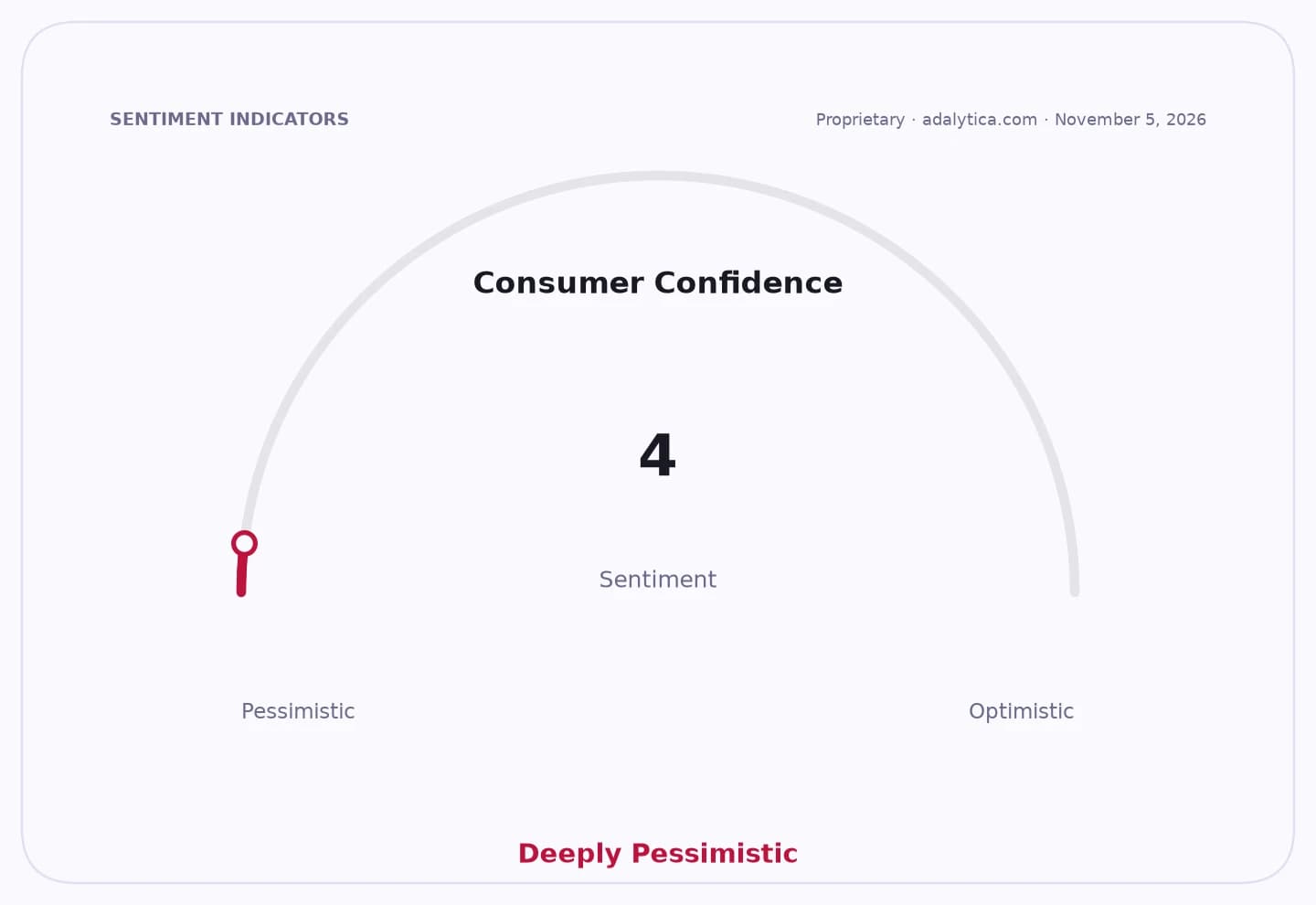
Sentiment Indicators

That matters because banking crises rarely begin with a single headline; they metastasize when confidence breaks. A lender can survive weak earnings, bad loans or regulatory pressure, but it cannot survive the perception that cash has been physically removed from the vault. In this case, prosecutors say Macura exceeded his authority through repeated unauthorised entries into the treasury, while the central bank had already concluded earlier supervisory measures failed to stabilise liquidity.
The fallout is already spilling across borders. In North Macedonia, the central bank moved to place Alta Bank AD Bitola under temporary administration after a sharp withdrawal of funds, with roughly 2 million euros pulled in days. Even though the local governor said the subsidiary remained liquid and the Serbian parent’s exposure was limited, the intervention underscores how fast confidence can disappear once a parent bank is in trouble.
Liquidity Conditions
For investors, the real lesson is that this is not just a story about one troubled Serbian lender. It is a reminder that regional banking systems can suffer rapid, nonlinear damage when governance fails and political ties cloud risk assessment. Alta expanded during the rule of Serbia’s former president Aleksandar Vucic, including through a 2025 arrangement that routed electricity bill payments from Belgrade residents into Alta Bank accounts, making the bank more visible than many of its peers and, now, more exposed.
The broader market implication is straightforward: investors should treat banks with opaque ownership, concentrated public-sector relationships and weak liquidity discipline as higher-risk assets, regardless of surface-level growth. The sector-wide backdrop is already fragile, with fraud concerns and tighter regulatory scrutiny rising across Europe and beyond. In that environment, the cost of trust is rising, and the penalty for governance failures is becoming immediate.
For Serbia, the next question is whether regulators can contain the damage before it contaminates confidence in smaller lenders and payment channels. For investors, the opportunity lies in separating stronger, better-capitalised financial institutions from those whose balance sheets may look stable until the moment they are not. Bank governance is becoming a capital-allocation issue, not just a compliance one.
| Entity | Gains | Losses |
|---|---|---|
| Serbian regulators | ▲Credibility on enforcement | ▼Questions over supervision |
| Alta Bank depositors | ▲Potential eventual asset recovery | ▼Access restrictions and uncertainty |
| Stronger regional banks | ▲Flight-to-quality inflows | ▼Little direct benefit from sector trust shock |
| Alta Bank owner and insiders | ▲None | ▼Arrest, licence loss, criminal exposure |