Amazon is expanding its Amazon Business payment terms in Europe to let professional buyers pay in 30 days, excluding VAT, a move that could make the company a stickier supplier for small firms while tightening pressure on rivals that rely on faster settlement.
Amazon Business expands 30-day payment terms in Europe
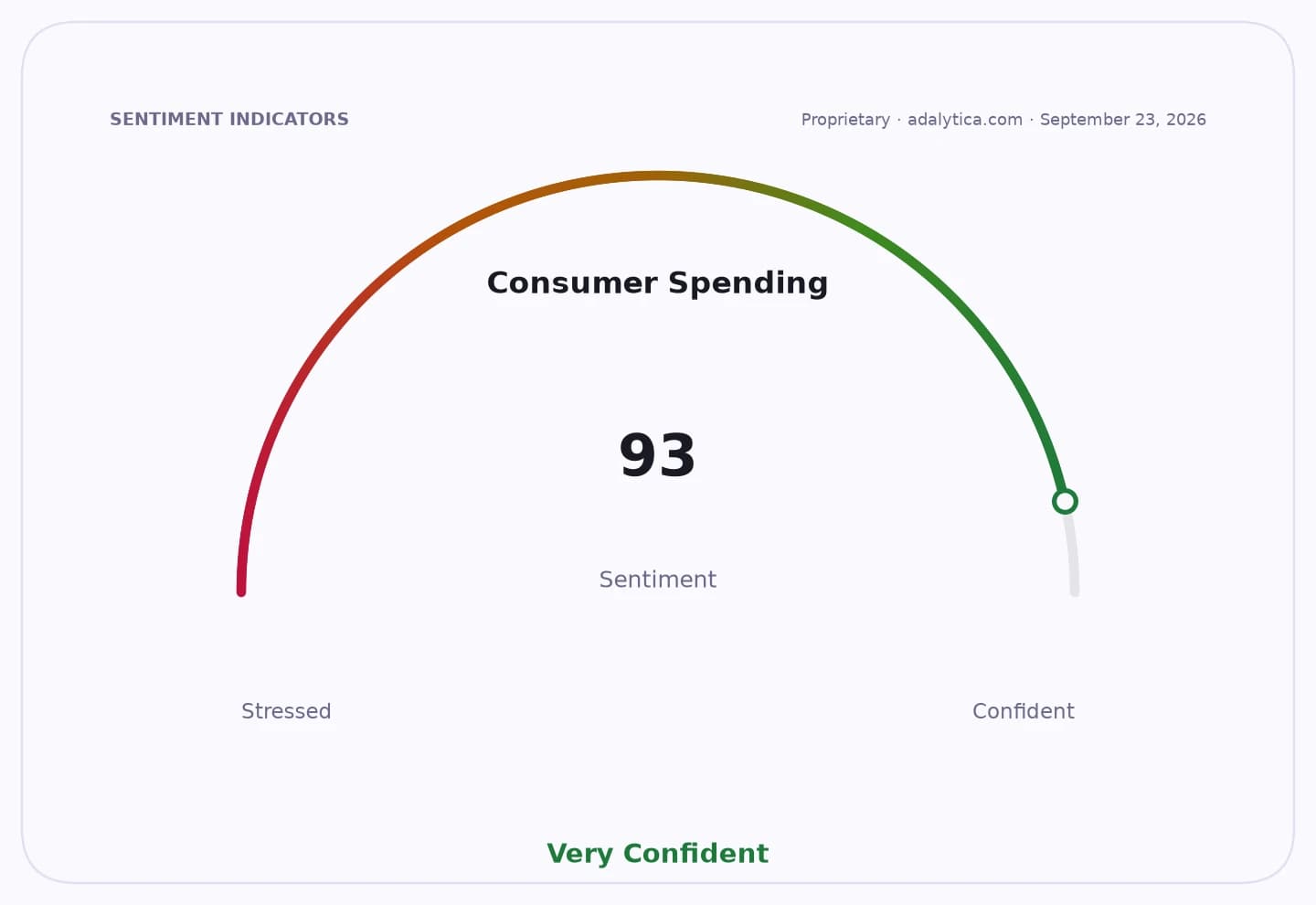
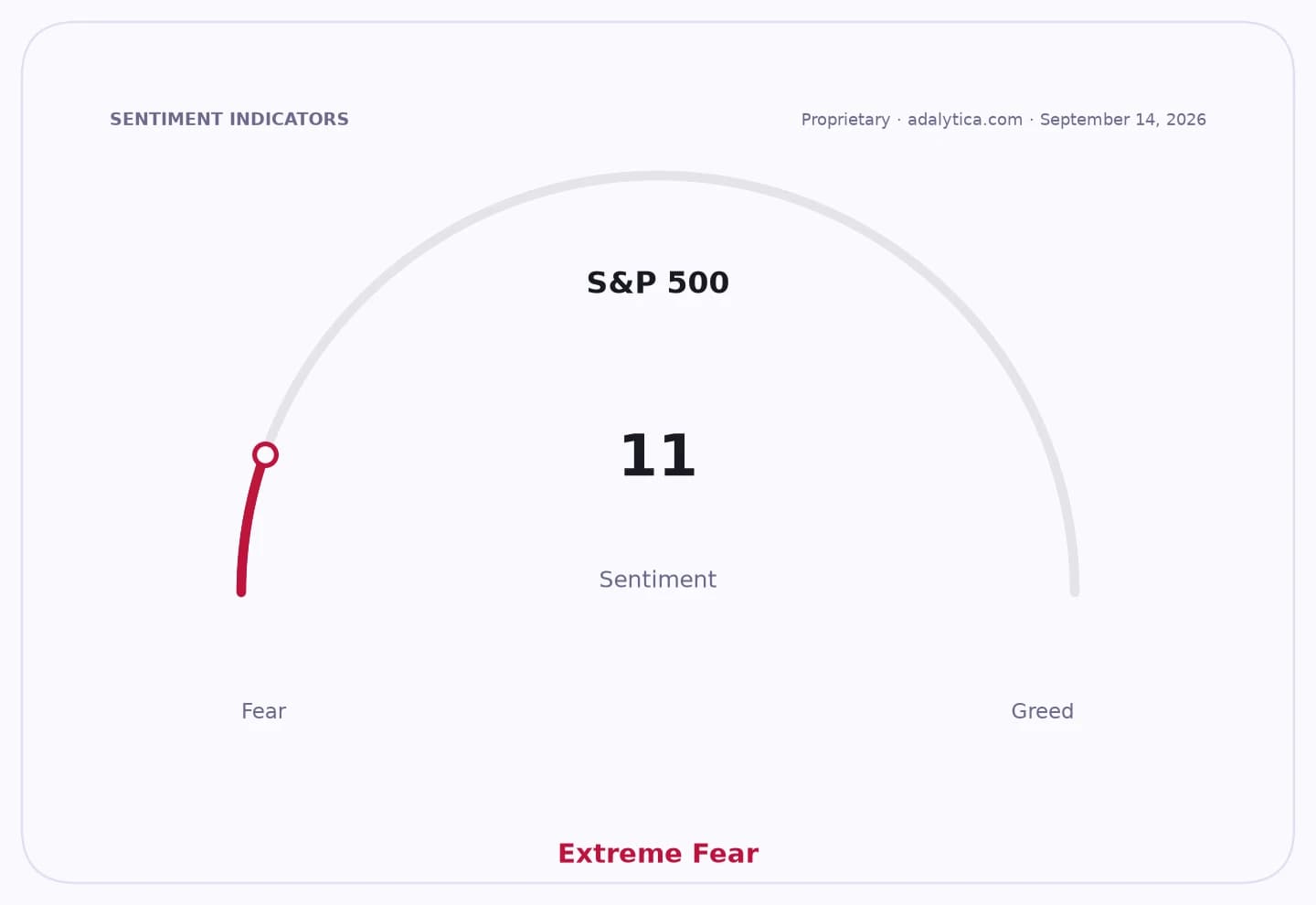
The change matters because payment terms are a working-capital tool as much as a sales feature. For contractors, retailers and other business customers under strain, the ability to defer cash outflows by a month can ease liquidity at a time when consumer and retail spending sentiment is in deep fear — Adalytica’s Consumer Spending Sentiment gauge sits at 4, while Retail Goods Spending Sentiment is 22, also in fear territory.
Sentiment IndicatorsⓘProprietary · adalytica.com · September 5, 2026
This is a snapshot — live sentiment, awareness and momentum for 130+ markets update continuously in the dashboard.Open AlphaPulse
For Amazon, more flexible invoicing can help it deepen share in business-to-business commerce, where procurement decisions are often driven by convenience, credit terms and the ability to bundle purchases. The company already faces the usual drag from payment processing costs, including card interchange and other fees flagged in its filings, so shifting more professional buyers onto invoiced terms could reshape how Amazon captures demand and manages costs.
The move also fits a broader trend in payments toward extending credit digitally at the point of purchase, as companies and banks push to make transactions faster and less rigid. In practice, that can support order volumes and customer retention, but it also introduces credit and collections risk, especially if late-payment trends worsen in a softer economy.
Amazon shares closed at $258.51 on Sept. 4, above both the 50-day moving average of $253.95 and the 200-day moving average of $239.12, with RSI readings near 47, suggesting the stock is neither overbought nor oversold. Investors will be watching whether the business-payments push lifts merchant engagement without materially increasing bad-debt exposure, as the next read on consumer demand and holiday spending comes into view.
| Entity | Gains | Losses |
|---|---|---|
| Amazon Business | ▲Stickier B2B customers | ▼Higher credit and collections risk |
| Professional buyers | ▲30-day liquidity relief | ▼Delayed VAT cash flow |
| Payment rivals | ▲Faster settlement volumes | ▼Loss of procurement share |
| Amazon shareholders | ▲Potentially higher order retention | ▼Margin pressure from financing terms |