Amazon is leaning harder into AI-driven customer service as it tries to turn one of AWS’s most practical software businesses, Amazon Connect, into a bigger commercial growth engine.
Amazon Connect gains AI customer service focus
That matters because customer support is one of the clearest near-term use cases for enterprise AI: it is measurable, easy to deploy in stages and tied directly to labor costs and customer retention. For Amazon, a stronger AI-native Connect offering can deepen AWS usage, raise switching costs and give the cloud unit another way to compete for enterprise budgets even as the market questions how quickly companies will monetize generative AI.
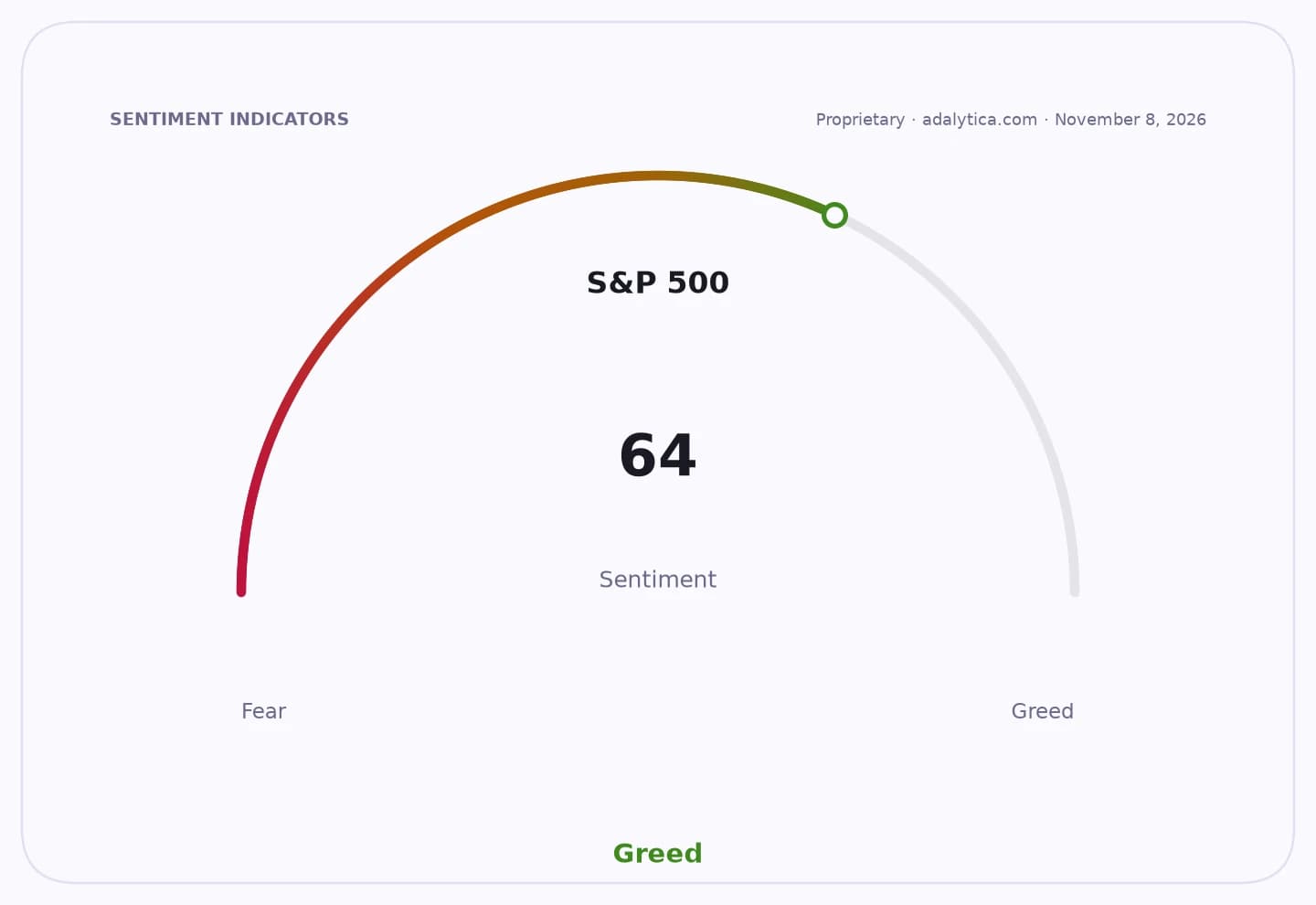
Sentiment Indicators
The move also fits a broader industry shift. Businesses are no longer just buying AI tools for experimentation; they want systems that can actually resolve queries, automate workflows and sit on top of existing service stacks. That is drawing demand toward vendors that can combine cloud infrastructure, data tooling and customer-facing applications. In that frame, Amazon is not just selling another software feature. It is trying to own a layer of enterprise operations where AI can deliver immediate productivity gains.
Investors care because the opportunity is less about headline-grabbing AI models than about usage depth and margin leverage. A customer service platform that handles more interactions automatically can lower support costs for clients, increase consumption of AWS services and strengthen Amazon’s position against software vendors selling standalone AI agents and contact-center tools. The risk, however, is execution: if AI features fail to improve accuracy, trust or compliance, buyers may slow adoption or limit deployment to narrow use cases.
The stock backdrop suggests the market is already sensitive to those questions. Amazon shares have been volatile in recent months but remain above their 200-day moving average, while momentum indicators have swung sharply, reflecting both enthusiasm around AI and uncertainty over how quickly that spending converts into profits. For the broader market, the S&P 500 is still trading with elevated awareness of AI themes, underscoring how much sentiment remains tied to tangible enterprise adoption rather than abstract promises.
The strategic narrative is straightforward: Amazon is pushing customer service from a back-office cost center into a high-value AI workload. If Amazon Connect becomes a more capable, AI-native product, it can help AWS lock in customers at a time when enterprises are looking for software that delivers automation rather than experimentation. If not, it risks becoming another feature in a crowded market where competitors from cloud, software and AI-native startups are all chasing the same enterprise spend.
What investors will watch next is whether Amazon can show Connect driving higher adoption, larger contract sizes and better retention inside AWS, while proving the economics work at scale. The commercial upside is meaningful, but so is the bar for trust, accuracy and integration in a market that is quickly moving from AI interest to AI accountability.
| Entity | Gains | Losses |
|---|---|---|
| Amazon / AWS | ▲Higher enterprise stickiness | ▼Slower AI monetization |
| Business customers | ▲Lower support costs | ▼Implementation risk |
| Rival contact-center vendors | ▲ | ▼Share pressure |
| Human support labor | ▲ | ▼More automation |