Mistral is moving faster into AI-generated code after buying a specialist developer tools business, a deal that deepens its push beyond chatbots and into one of the most commercially important parts of the generative-AI market.
Mistral Buys Developer Tools Business for AI Coding

The acquisition matters because coding has become the clearest route for model makers to turn technical capability into paid enterprise usage. Companies are still willing to experiment with general-purpose AI assistants, but they are more likely to budget for tools that can write software, automate testing and cut development time. That makes code generation a more direct revenue engine than consumer-facing AI products, and a more defensible one if Mistral can embed itself in developer workflows.
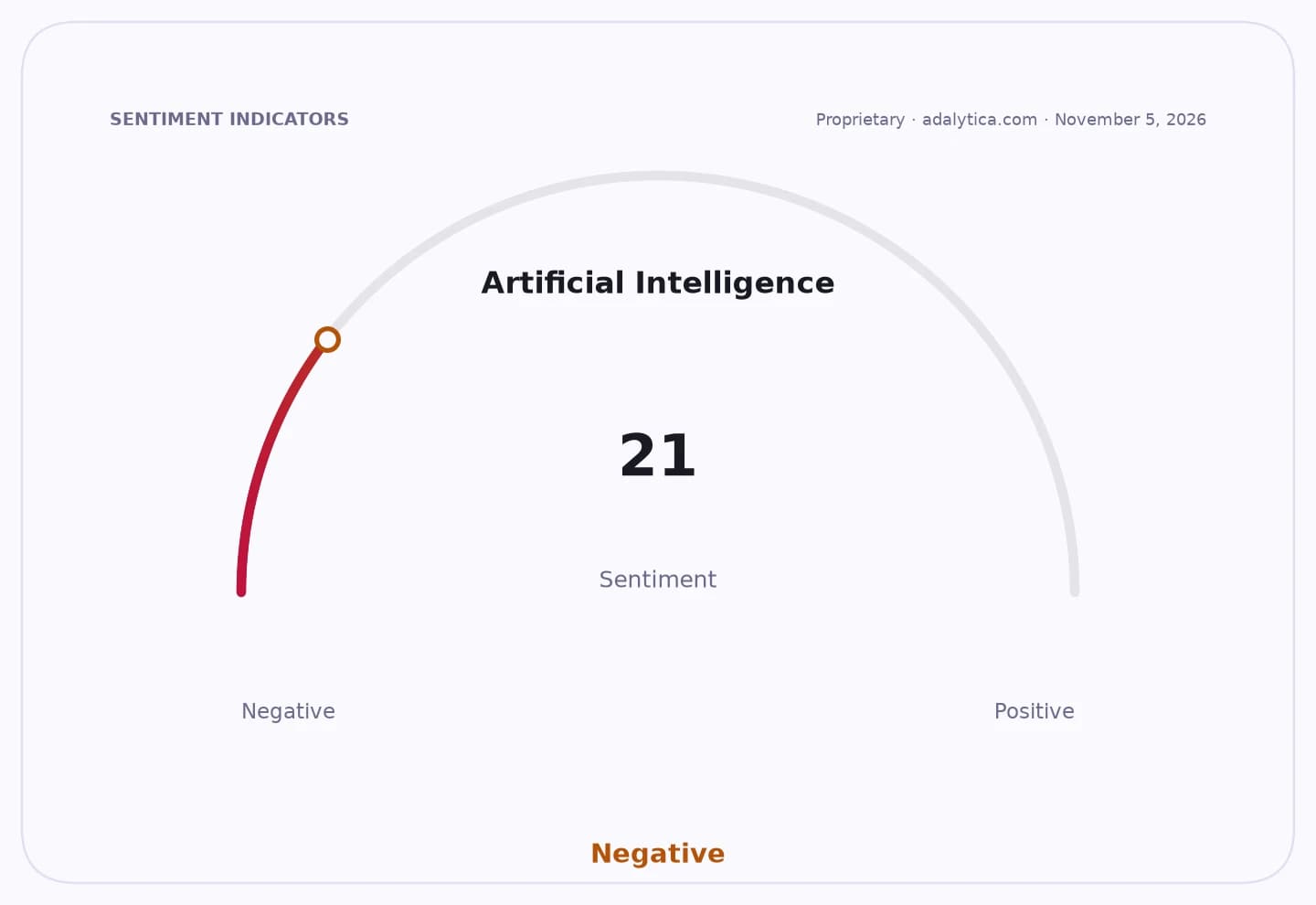
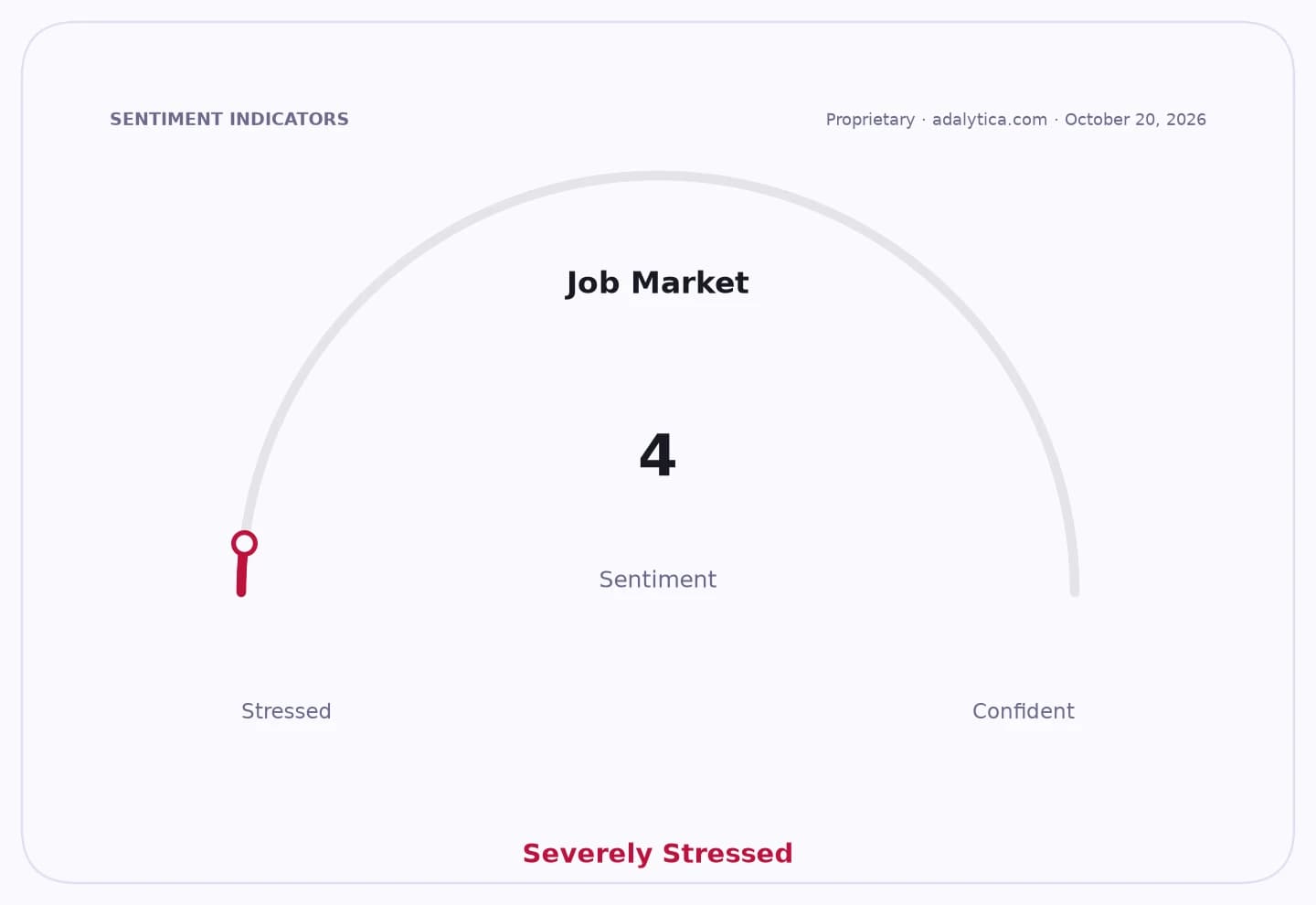
Sentiment Indicators
The deal also lands in a market where investors are increasingly separating winners from hype. Microsoft, a major reference point for enterprise AI demand, has seen its shares climb to 545.18, well above both its 50-day and 200-day moving averages, while its Adalytica earnings sentiment sits at extreme greed. That reflects confidence that AI will keep supporting cloud and software spending. But the broader backdrop is less forgiving for the rest of the sector: Nvidia has fallen to 178.67 from its recent highs, with its price now well below its 50-day average and its earnings sentiment in extreme fear, underscoring how quickly the market is repricing AI names tied to infrastructure and near-term monetisation.
For Mistral, the strategic logic is clear. By adding coding expertise through acquisition, it can accelerate product development rather than build the capability organically, shortening the gap with larger rivals that already bundle AI tools into cloud platforms and developer suites. The prize is not just better code completion, but a broader stack that can support enterprise software teams, which tend to be stickier, higher-margin customers than casual users.
The move also reinforces the growing split in the AI industry between foundation-model companies and application-layer specialists. Google and Microsoft can subsidise AI features through large cloud and software businesses. Smaller players such as Mistral need to show faster productisation and clearer use cases. Code generation offers that path, but it also raises the bar: enterprise buyers will demand reliability, security and measurable productivity gains, not just benchmark wins.
The risk is that Mistral’s acquisition strategy improves capability faster than it improves economics. Integration costs, competitive pressure from bigger rivals and the need to retain technical talent could all limit the near-term payoff. Still, the direction of travel is obvious: in AI, the next phase of value creation is shifting from model scale alone to practical tools that sit inside business workflows. Code generation is one of the biggest of those.
| Entity | Gains | Losses |
|---|---|---|
| Mistral | ▲Faster product expansion | ▼Build-vs-buy discipline |
| Enterprise developers | ▲Better coding tools | ▼Fewer low-cost alternatives |
| Microsoft/Google | ▲Validation of AI software demand | ▼More pressure on pricing |
| Smaller AI rivals | ▲Sector momentum | ▼Harder to compete on depth |