A new 40-billion-parameter coding model from Recursive is making the more important point that AI progress is no longer just about scale: it is about turning frontier-quality software into something a laptop can run.
Recursive Flint coding model runs locally on MacBook
Flint matters because it compresses the economics of model deployment. Recursive says the model activates only about 2.5 billion parameters per token, a sparse mixture-of-experts design that helps it generate more than 125 tokens a second on an M4 Pro MacBook Pro and run locally without a data center, per-token fees or a network connection. For developers and enterprises, that changes the cost equation for coding agents, where latency, privacy and inference bills often matter as much as benchmark scores.
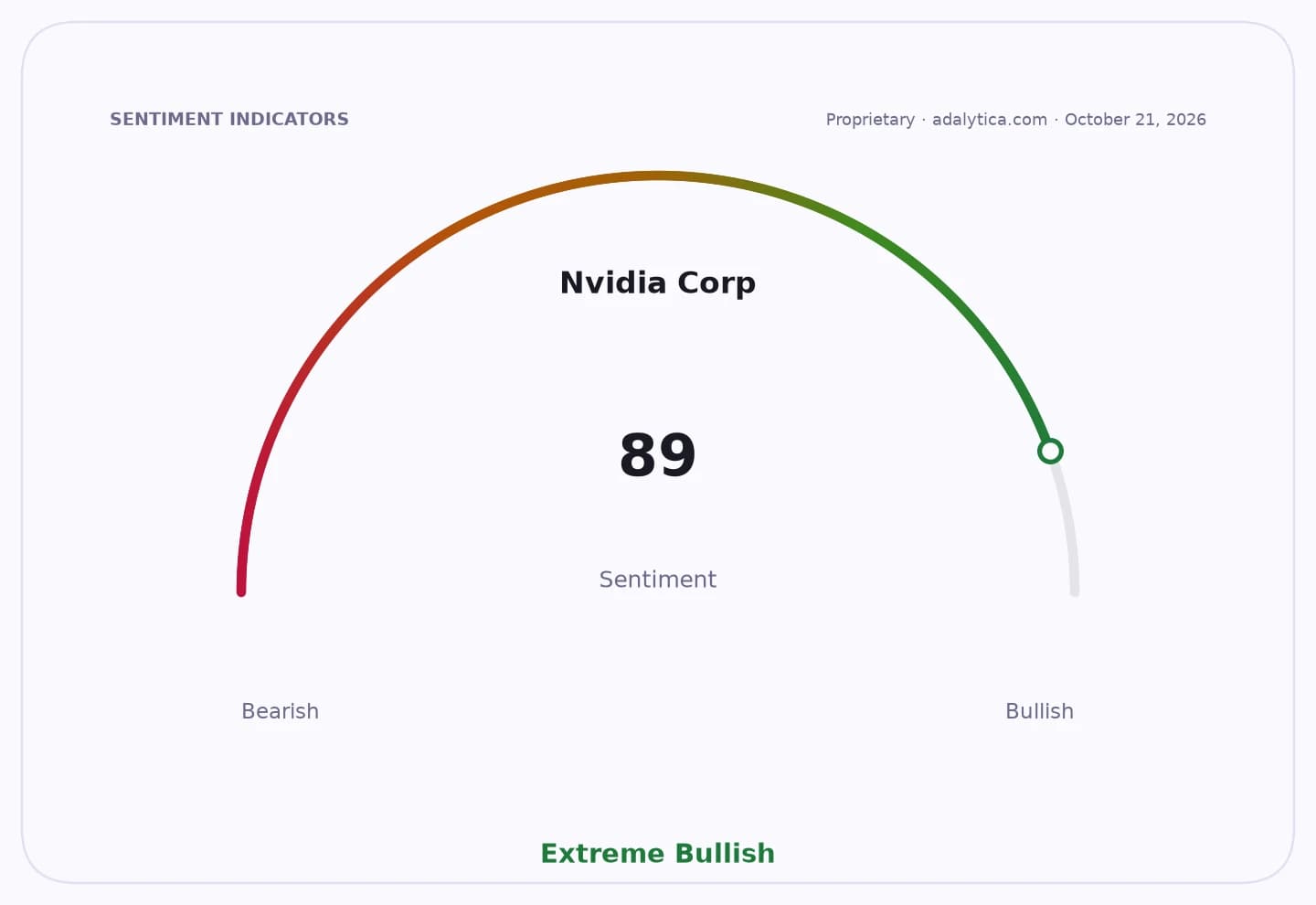
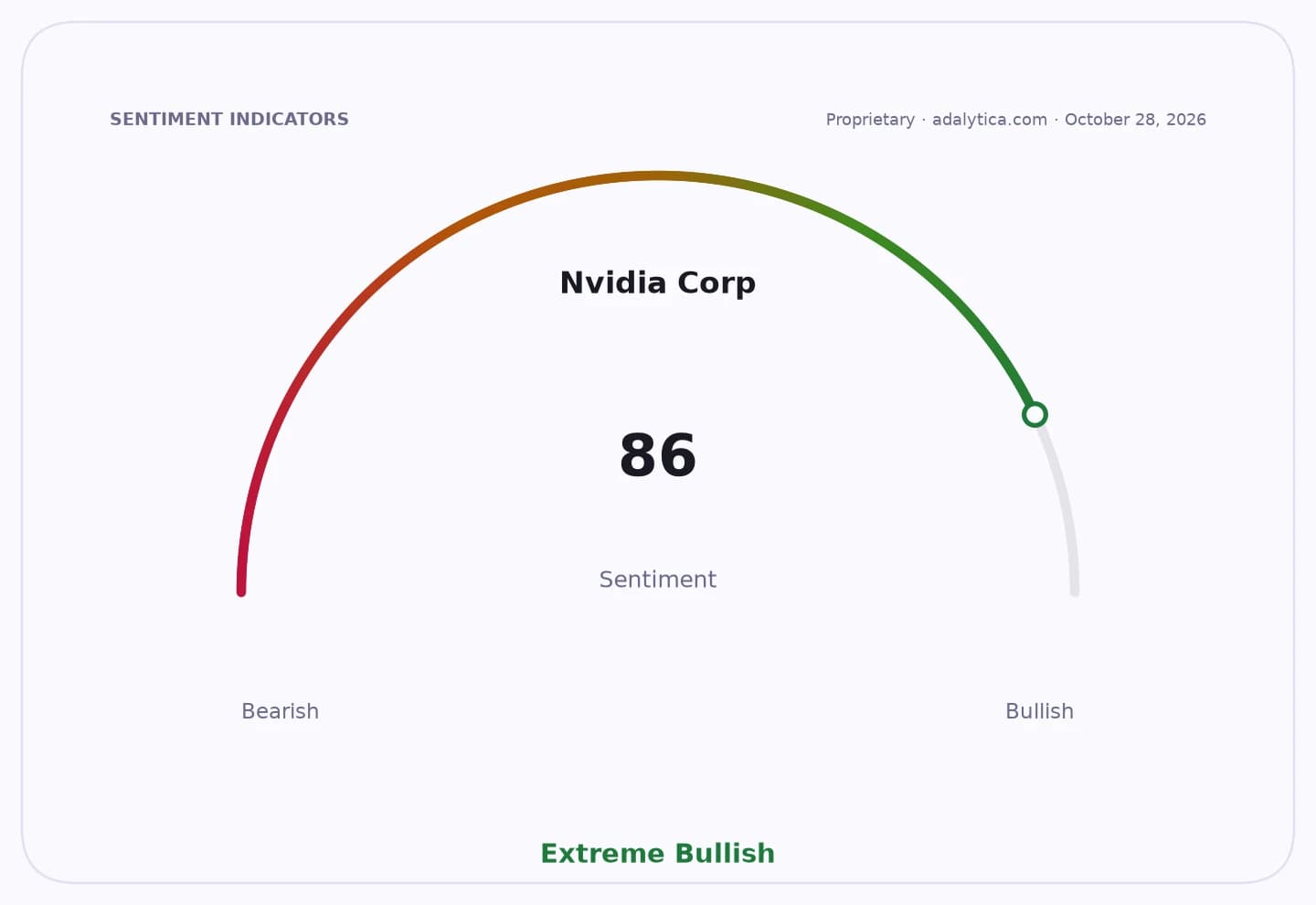
Sentiment Indicators
The model is also strategically relevant because it sits at the intersection of open source, hardware demand and AI tooling. Recursive released the weights under Apache 2.0, so the model can be downloaded, modified and commercialized freely. It also claims the architecture, compression recipe and low-level kernels were largely designed by an internal AI system, the Eureka Machine, with humans still directing benchmarks, compute allocation and engineering decisions.
That makes Flint less a proof of autonomous model-making than a sign that AI-assisted research can now produce commercially useful infrastructure. Recursive said the model was trained from scratch in under four months by a small team of people and agents, and that it leads sparse models under 50 billion parameters on coding and instruction benchmarks. But the launch results remain vendor-run, and independent verification is still limited.
The economic significance lies in the trade-off Flint highlights: more efficient inference can expand adoption even without a breakthrough in raw capability. Recursive says the model needs only about 20GB to 25GB of usable memory for common 4-bit builds, compared with roughly 79.5GB uncompressed, and can run through tools such as llama.cpp, Ollama, LM Studio, vLLM and SGLang. That makes it relevant to a market increasingly focused on local, on-device AI rather than only cloud-based usage.
For investors, the implications reach beyond one startup. A model that delivers interactive coding performance on consumer hardware could pressure the economics of hosted AI services, while also supporting demand for high-memory laptops, workstation GPUs and optimized inference software. The hardware angle is especially notable because Recursive says its custom kernels materially improved speed, including on Apple silicon and Nvidia hardware. Nvidia’s own ecosystem benefits if better software drives more AI workloads overall, but the same efficiency trend could also reduce the amount of compute needed per task over time.
That tension is already visible in the market backdrop. Microsoft, Nvidia and other AI-heavy names remain tied to the capital intensity of model development and deployment, while open-weight alternatives keep improving on the margins that matter most to users: speed, memory footprint and offline operation. Microsoft shares have recently come under pressure, with the stock closing at $521.91 on Oct. 30, below its 50-day moving average of $512.91 but still above the 200-day average of $436.85, while Nvidia fell to $204.64, below its 50-day average of $221.68. Those moves do not reflect Flint directly, but they underscore how sensitive AI names have become to the market’s changing view of returns on AI spending.
The bigger narrative is that the competitive frontier in AI is moving from “who can train the biggest model” to “who can deliver the best model per watt, per gigabyte and per dollar.” Flint does not settle whether AI can fully automate model research, and its benchmark claims still need third-party testing. But it does show that a fast, local coding model is no longer a theory. That is enough to matter for software developers, cloud vendors, chipmakers and investors looking for the next phase of AI monetization.
| Entity | Gains | Losses |
|---|---|---|
| Recursive | ▲Product credibility | ▼Benchmark skepticism |
| Developers using local AI | ▲Lower cost, offline use | ▼Less cloud dependence |
| Nvidia and hardware vendors | ▲More demand for efficient inference | ▼Potentially fewer compute-heavy workloads |
| Cloud AI providers | ▲Less direct benefit from local execution | ▼Risk of margin pressure |