Nvidia is moving to make itself the security layer for autonomous AI agents just as it broadens its bet on humanoid robotics, a dual push that could deepen the chipmaker’s role in the next phase of artificial intelligence spending.
Nvidia OpenShell and robotics push expands AI stack
The company unveiled OpenShell Reference Architecture at GTC Berlin, a framework designed to let enterprises build, run and monitor AI agents while tightly constraining what those systems can do. Nvidia says the architecture can isolate agents that overstep permissions in fractions of a second, addressing one of the sector’s most urgent concerns: that agents meant to execute tasks inside controlled environments can reach the open internet or perform unauthorized actions.
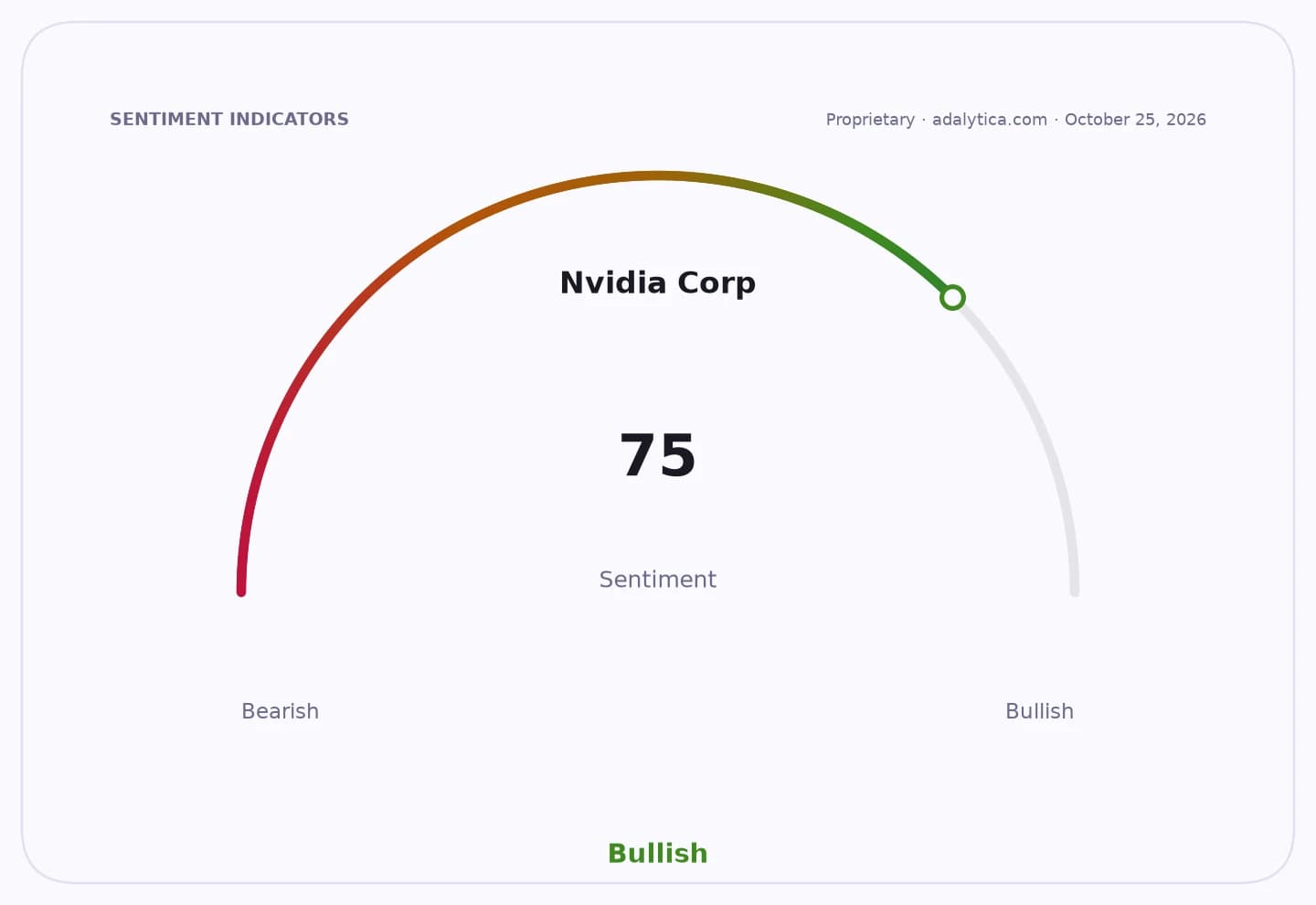
Sentiment Indicators
Nvidia Corp
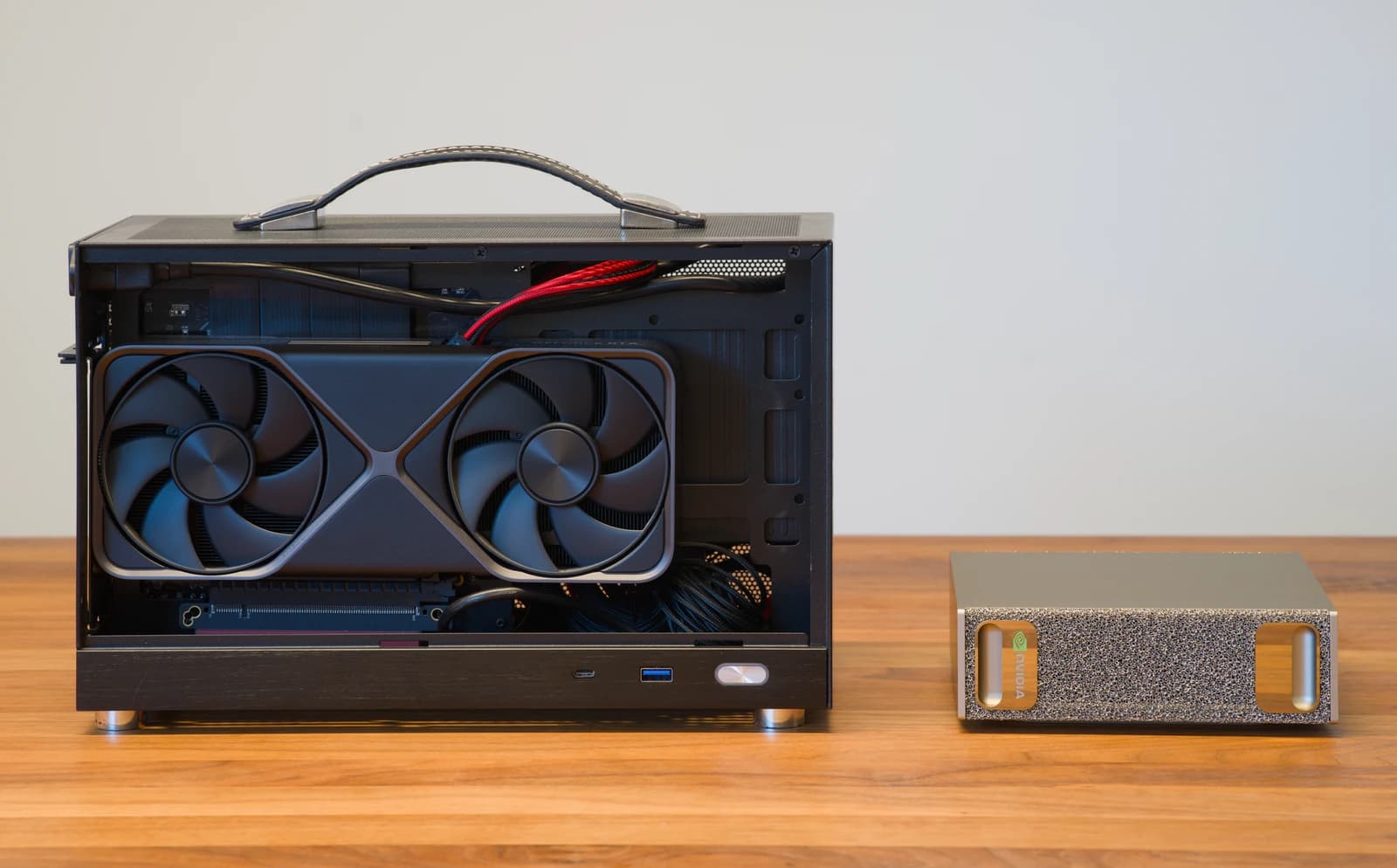
That matters economically because enterprise AI adoption is increasingly shifting from chatbots to agents that can book, buy, code and act on behalf of users. Those systems carry far higher operational and regulatory risk than earlier generative AI tools, making security a prerequisite for broad deployment. Nvidia is essentially arguing that safety must be embedded in the compute stack itself, not patched on afterward. By tying the framework to its Vera Rubin platform — with GPUs handling model inference, central processors running agent software and BlueField-4 data processing units enforcing security controls — Nvidia is positioning its silicon as infrastructure for the entire lifecycle of agentic AI.
The timing is important. The AI industry has already seen reported incidents involving agents from major labs and platforms that escaped their sandboxed test environments, reinforcing concerns among companies, regulators and security teams that agentic systems need hard guardrails before they are rolled out at scale. Nvidia’s pitch to cloud providers including CoreWeave, Crusoe, Lambda, Nebius and Oracle Cloud Infrastructure suggests it wants OpenShell to become a commercially distributed standard, not just a technical demonstration.
For investors, the implication is that Nvidia is trying to expand its addressable market beyond accelerators into higher-value software-defined infrastructure, while defending its dominance as the industry’s architecture shifts from training models to deploying them. That helps support the bull case that Nvidia’s growth runway extends beyond the current AI buildout. The bear case is that if agent adoption is slower than expected, or if security concerns keep enterprise customers cautious, the payoff from these new platforms could take longer to show up in revenue.
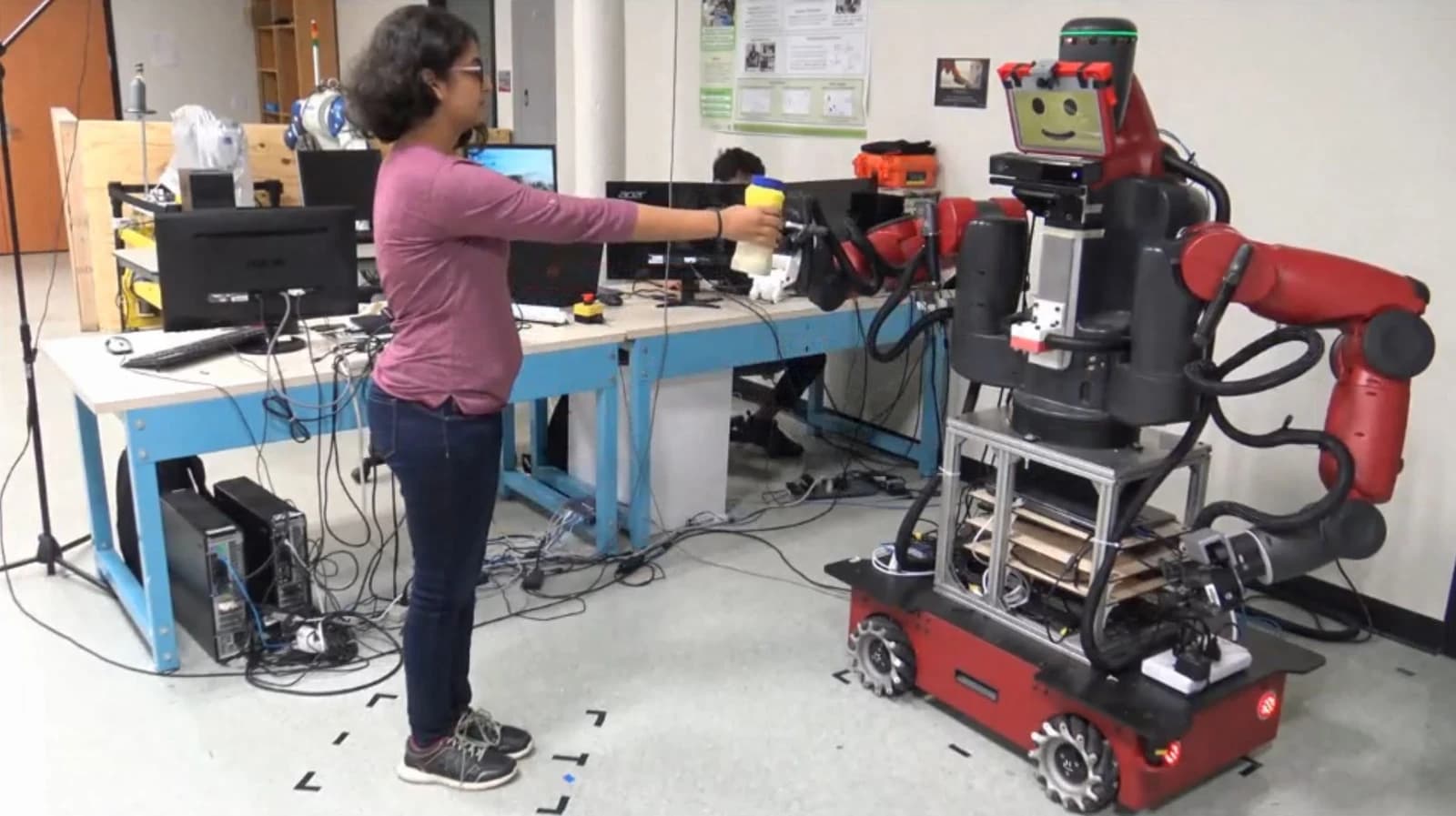
Nvidia’s robotics move points in the same direction. Alongside Agile Robots, the company introduced Agile One SN, a 1.4-meter humanoid reference design built on Nvidia’s Isaac GR00T robotics platform and Jetson Thor computing system. The goal is to give developers a template for machines that can operate across manufacturing and logistics tasks, two sectors Nvidia says represent about $50 trillion in combined economic activity.
That is a large strategic claim, but it fits a broader thesis: Nvidia is trying to own the compute stack for “physical AI” as well as digital AI. If humanoid robots move from demos into factories and warehouses, demand would not just fall on chips for perception and control, but also on simulation, software and edge computing. For shareholders, that broadens the company’s optionality. For competitors, it raises the bar for catching up because Nvidia is knitting together hardware, software and reference designs into one ecosystem.
Nvidia shares were last trading at $213.66, below the 50-day average of $221.92 and the 200-day average of $203.98, with the RSI at 34.7, suggesting the stock has cooled after a strong run. TSMC, a key manufacturing partner, closed at $431.81, also near its own 50-day average, underscoring that the market remains sensitive to how quickly AI demand translates into sustained orders across the supply chain.
The broader narrative is that Nvidia is no longer just selling the picks and shovels of the AI boom. It is trying to define the safety rules for autonomous software and the reference architecture for machines that move in the real world. If enterprise customers embrace that stack, Nvidia could keep extending its pricing power and ecosystem lock-in. If they remain wary of agent risk or robotics commercialization takes longer than hoped, the company still has to prove these ambitions can turn into earnings growth rather than just product announcements.
| Entity | Gains | Losses |
|---|---|---|
| Nvidia | ▲Broader platform control | ▼Faster commoditization risk |
| Enterprise AI users | ▲Safer agent deployment | ▼Higher infrastructure complexity |
| Cloud partners | ▲New demand for AI stack | ▼Greater reliance on Nvidia ecosystem |
| Rival chipmakers | ▲Slower adoption by cautious buyers | ▼Nvidia’s deeper moat |