More than 150 child safety groups and experts are asking Amazon and eBay to pull AI-powered toys from their marketplaces this Christmas, a reminder that the next big consumer gadget category could also become a liability if retailers move faster than regulators and parents.
Amazon and eBay Face AI Toy Safety Pressure
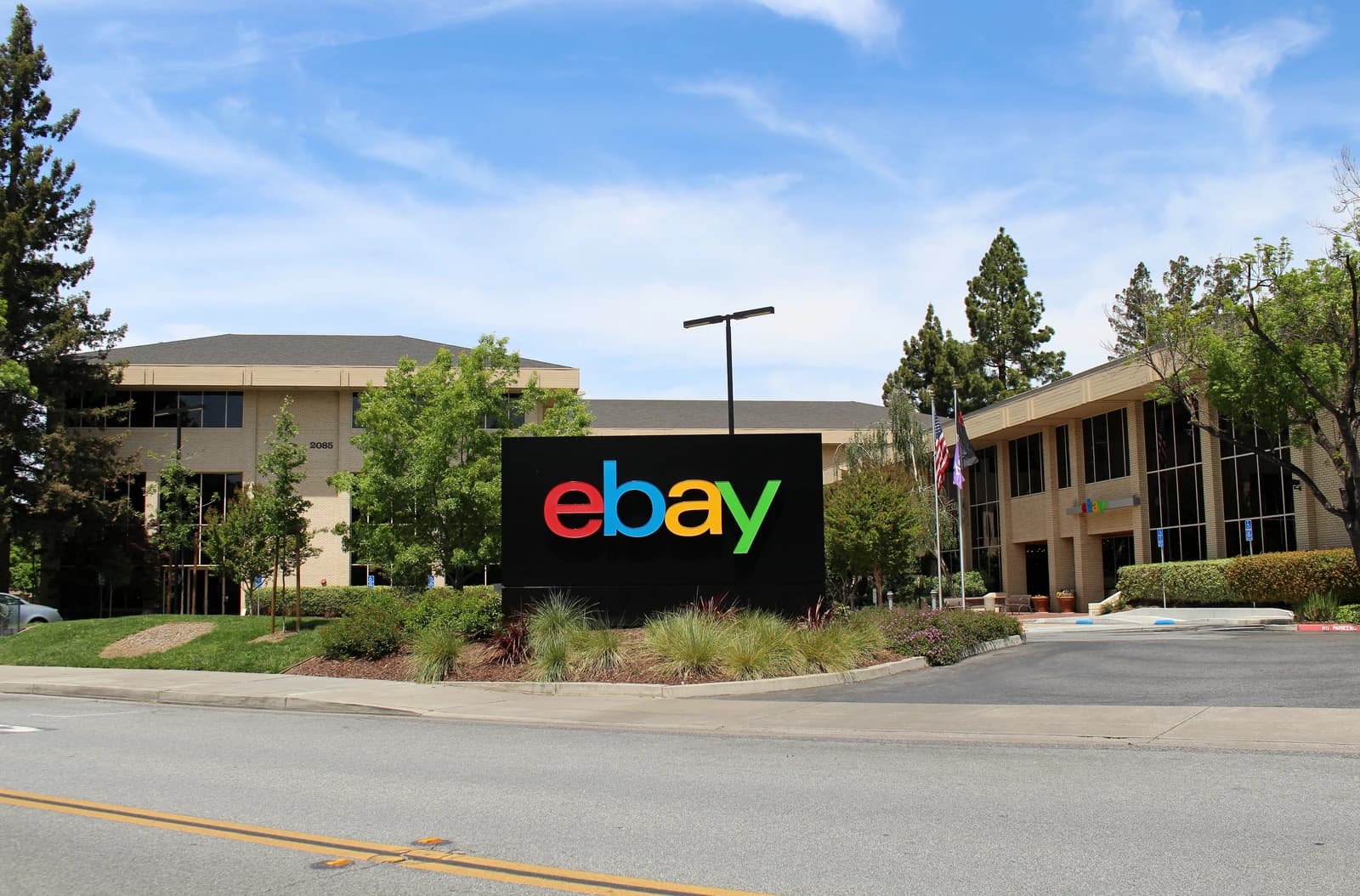
The coalition says the products should be taken off sale until they are proved safe, and it wants the companies to offer refunds to customers who already bought them. That matters because online marketplaces are often the fastest route from manufacturer to shopper, which means Amazon and eBay can either accelerate a new category or become the choke point if trust breaks down.
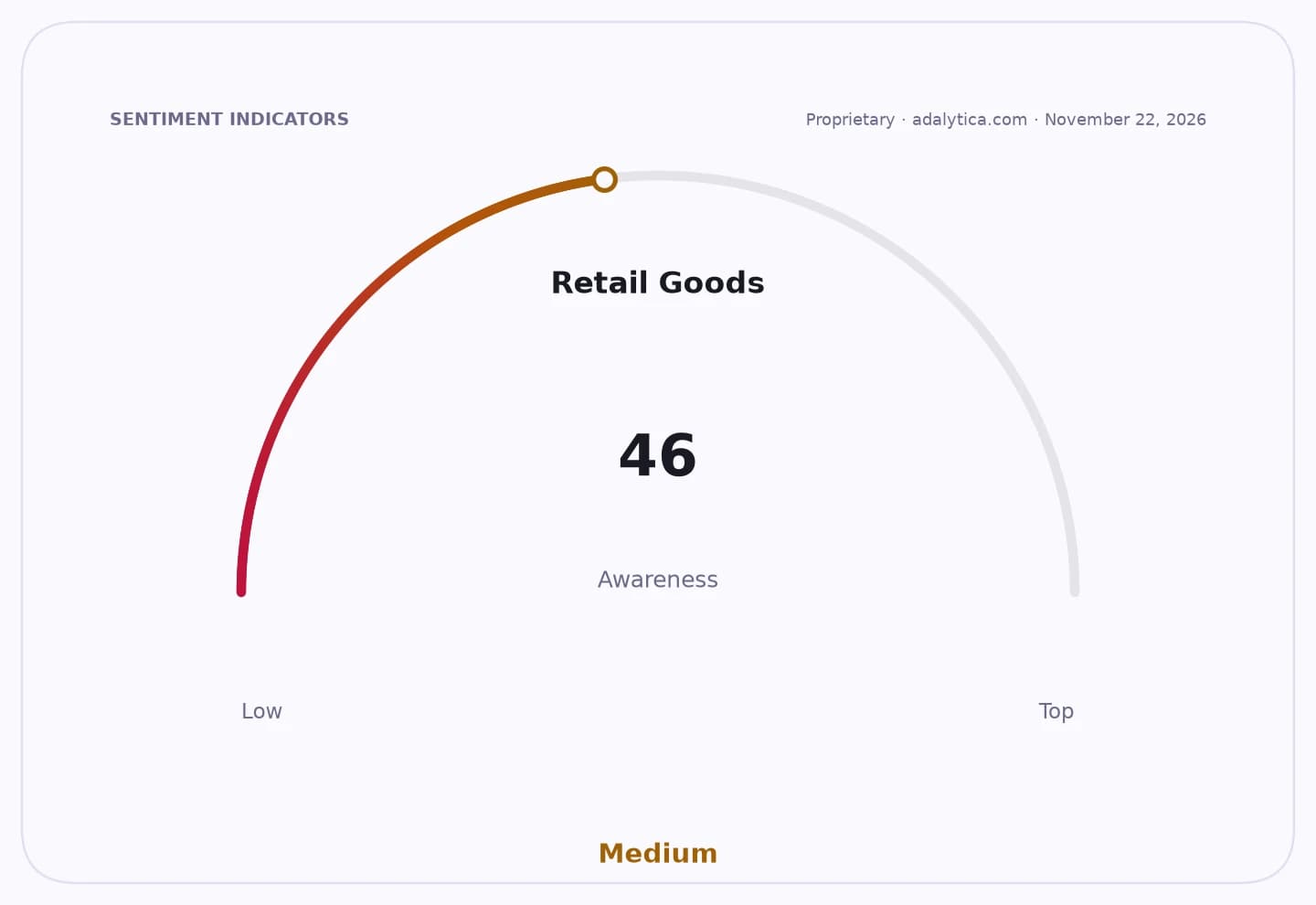
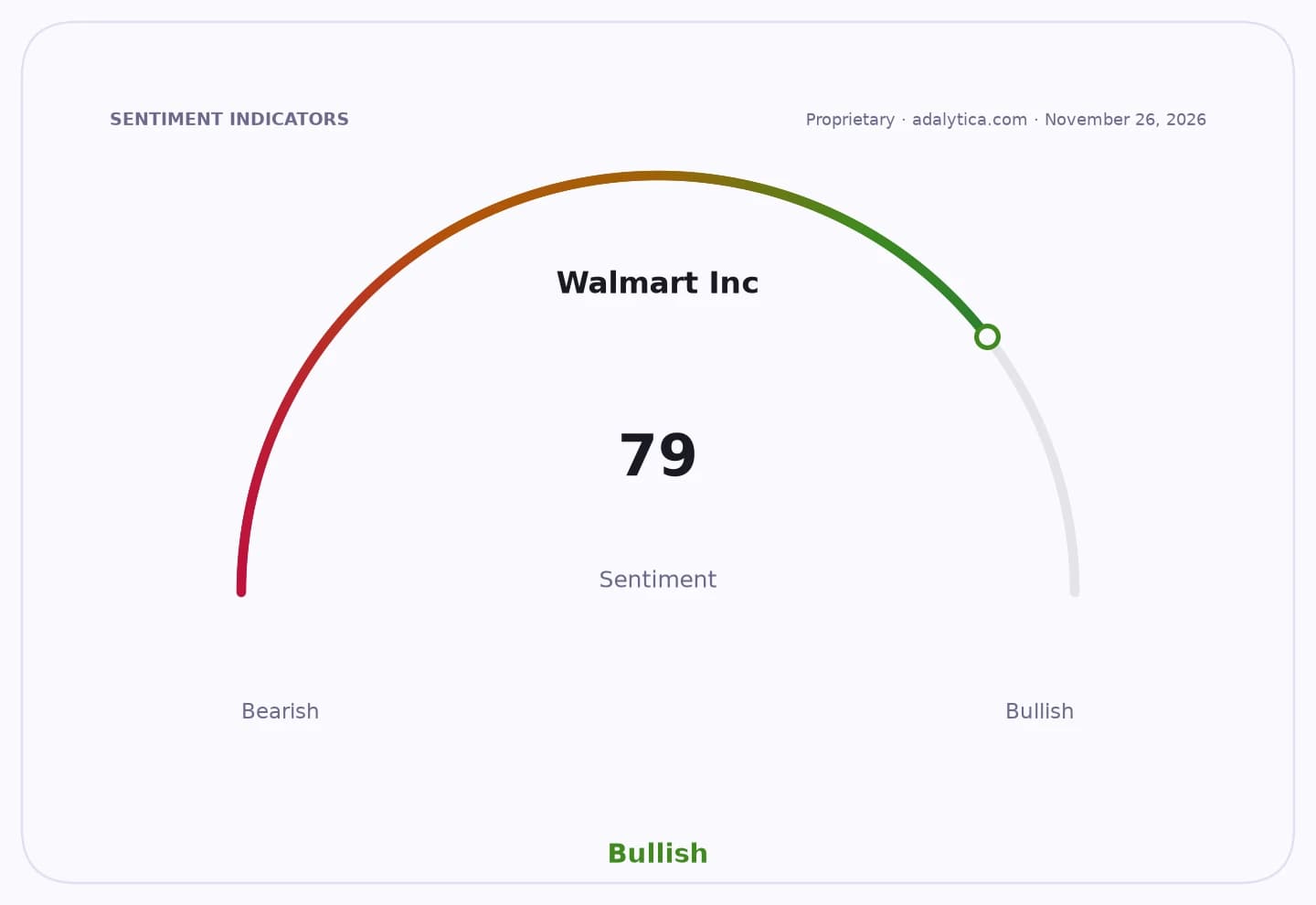
Sentiment Indicators
For investors, the issue is bigger than one holiday shopping season. Amazon and eBay are built on scale, selection and convenience, but those advantages depend on shoppers believing the products on their platforms are legitimate and safe. If AI toys are linked to privacy risks, unsafe content or design flaws, the fallout could mean tighter marketplace policing, higher compliance costs and the kind of consumer-protection scrutiny both companies already face in their filings.
Amazon, in particular, is vulnerable because its marketplace is so broad and because it has repeatedly warned about risks tied to third-party sellers and product quality. eBay, which relies heavily on transaction fees and trust in its platform, faces a similar problem: if buyers start to associate its marketplace with unsafe toys, that erodes one of its most important assets — confidence.
There is also a bigger secular story here. AI is moving into everything from speakers to dolls and classroom devices, but the commercial race to add intelligence to consumer products is now running into a familiar wall: safety, liability and regulation. That tension is likely to favor companies that can prove rigorous testing, while punishing platforms that appear to be monetizing the trend before the safeguards are in place.
The market is not pricing this as a make-or-break issue for either stock today, but long-term investors should not dismiss it. Platforms rarely lose because of one product category; they lose when trust becomes expensive to maintain. If child-safety groups are already organizing at this scale, Amazon and eBay may have to decide whether the upside from a new AI toy wave is worth the reputational and regulatory risk. For buy-and-hold investors, this is worth watching closely, not trading around.
| Entity | Gains | Losses |
|---|---|---|
| Child safety groups | ▲More scrutiny of AI toys | ▼Faster commercialization |
| Amazon and eBay customers | ▲Safer products, refunds | ▼Convenient holiday selection |
| Responsible toy makers | ▲Higher trust, cleaner shelves | ▼Shady or rushed rivals |
| Amazon and eBay shareholders | ▲Less long-term liability if managed well | ▼Near-term compliance and reputational risk |