AI shopping agents are moving from demo to commerce infrastructure, threatening to reshape how consumers search, compare and complete purchases across Amazon, Google and Microsoft-linked ecosystems. The shift matters because if software can pick products, add them to carts and even place orders when prices fall, the gatekeepers of retail demand and ad traffic could lose control over the customer journey.
Amazon, Google, Microsoft Face AI Shopping Agents
Retail Goods
The change is being driven by companies building AI agents that can take user preferences, spending limits and buying rules, then carry out shopping tasks automatically. That pushes AI beyond chat and search into transactions, which is economically significant for e-commerce platforms, payment flows and digital advertising, where recommendation placement and checkout control are core profit pools.
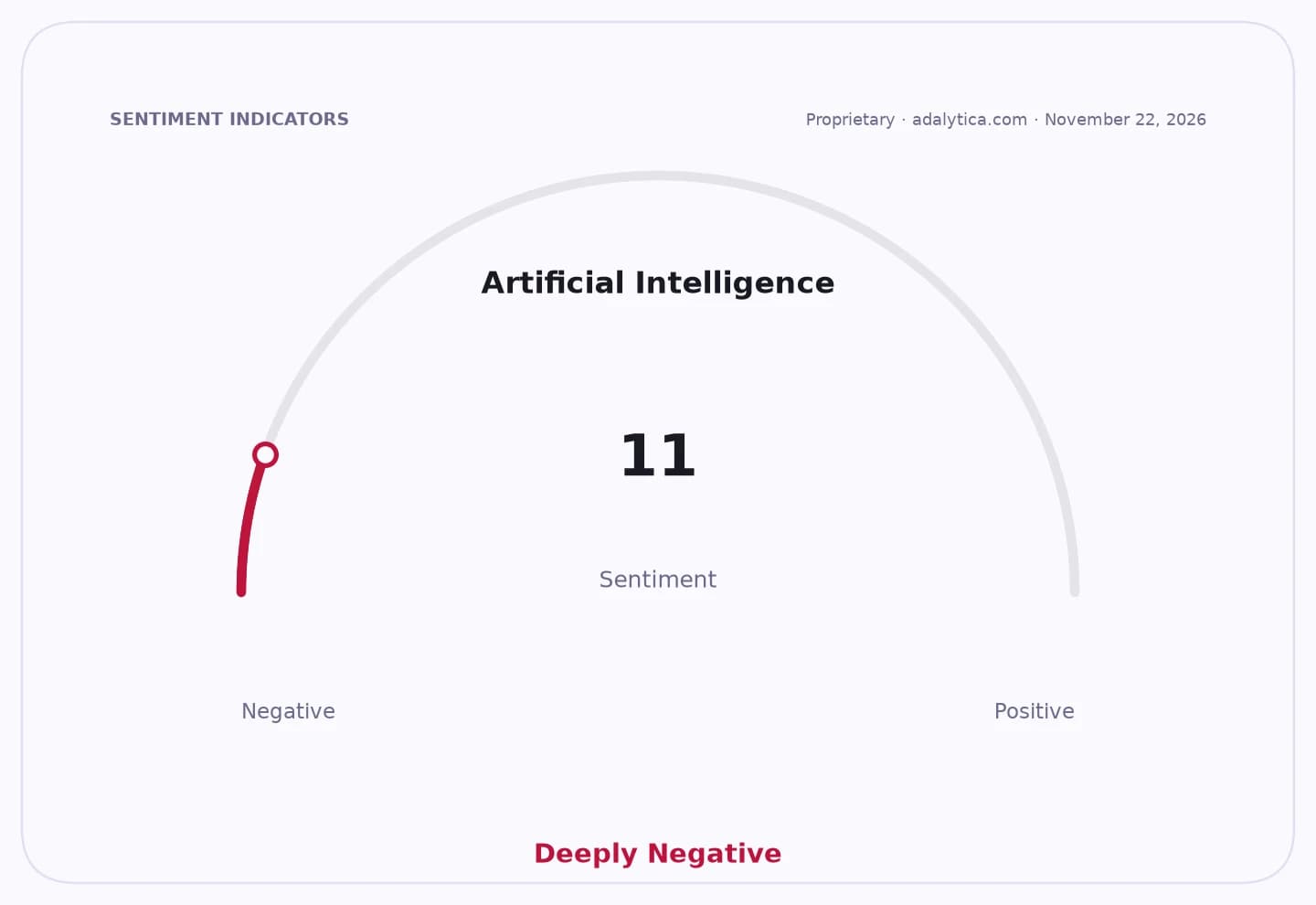
Sentiment Indicators
For Amazon, the risk is twofold: its retail marketplace could become less central to product discovery, while its own AI tools may be forced to compete with external assistants from OpenAI’s ChatGPT and Google’s Gemini. Google faces a similar test in product search, where AI agents could bypass traditional query-and-click behavior that supports shopping ads. Microsoft, meanwhile, is exposed through its partnership with OpenAI and its broader stake in AI-enabled consumer and enterprise workflows.
The market is already reflecting the tension. Amazon shares closed at $246.82 on Nov. 20, below both its 50-day moving average of $255.03 and its 200-day moving average of $245.15, while Google parent Alphabet fell to $265.29, also under its 50-day average of $322.30 and 200-day average of $336.71. Microsoft ended at $484.52, below its 50-day average of $518.87 and 200-day average of $441.93. The moves suggest investors are still digesting the cost and competitive implications of the AI arms race even as the technology broadens.
Consumer conditions add another layer. Adalytica’s Consumer Spending Sentiment snapshot shows fear at 18, while Retail Goods Spending Sentiment sits at an extreme fear reading of 4, a backdrop that could make automated price-monitoring and budget-constrained shopping agents more appealing to households. That dynamic favors retailers and platforms that can win on price transparency and fulfillment speed, but it also raises the stakes for merchants competing for algorithmic visibility rather than direct brand loyalty.
The next catalyst is how quickly these agents become embedded in mainstream shopping apps and whether regulators step in to define liability, permissions and payment safeguards as software starts making purchases on its own.
| Entity | Gains | Losses |
|---|---|---|
| Consumers | ▲faster price checks, less manual shopping | ▼less control, privacy risk |
| Amazon | ▲AI-driven conversions, Prime stickiness | ▼weaker product discovery moat |
| ▲new AI shopping tools, ad innovation | ▼lower search traffic, ad pressure | |
| Microsoft/OpenAI | ▲agent adoption, ecosystem reach | ▼higher scrutiny, platform risk |