Apple is developing an autonomous AI agent that could shop for users and book flights, a move that puts the iPhone maker into one of the fastest-growing contests in technology and raises the stakes for online travel and commerce platforms.
Apple Develops AI Agent for Shopping and Flights

The company disclosed the work in job postings on its website this week, describing a “proactive, agentic AI assistant” that can write code, browse the web, control apps and navigate devices on a user’s behalf. That shifts Apple’s AI effort from a defensive feature race toward a more economically consequential goal: becoming the software layer that intermediates consumer spending, travel reservations and app use.
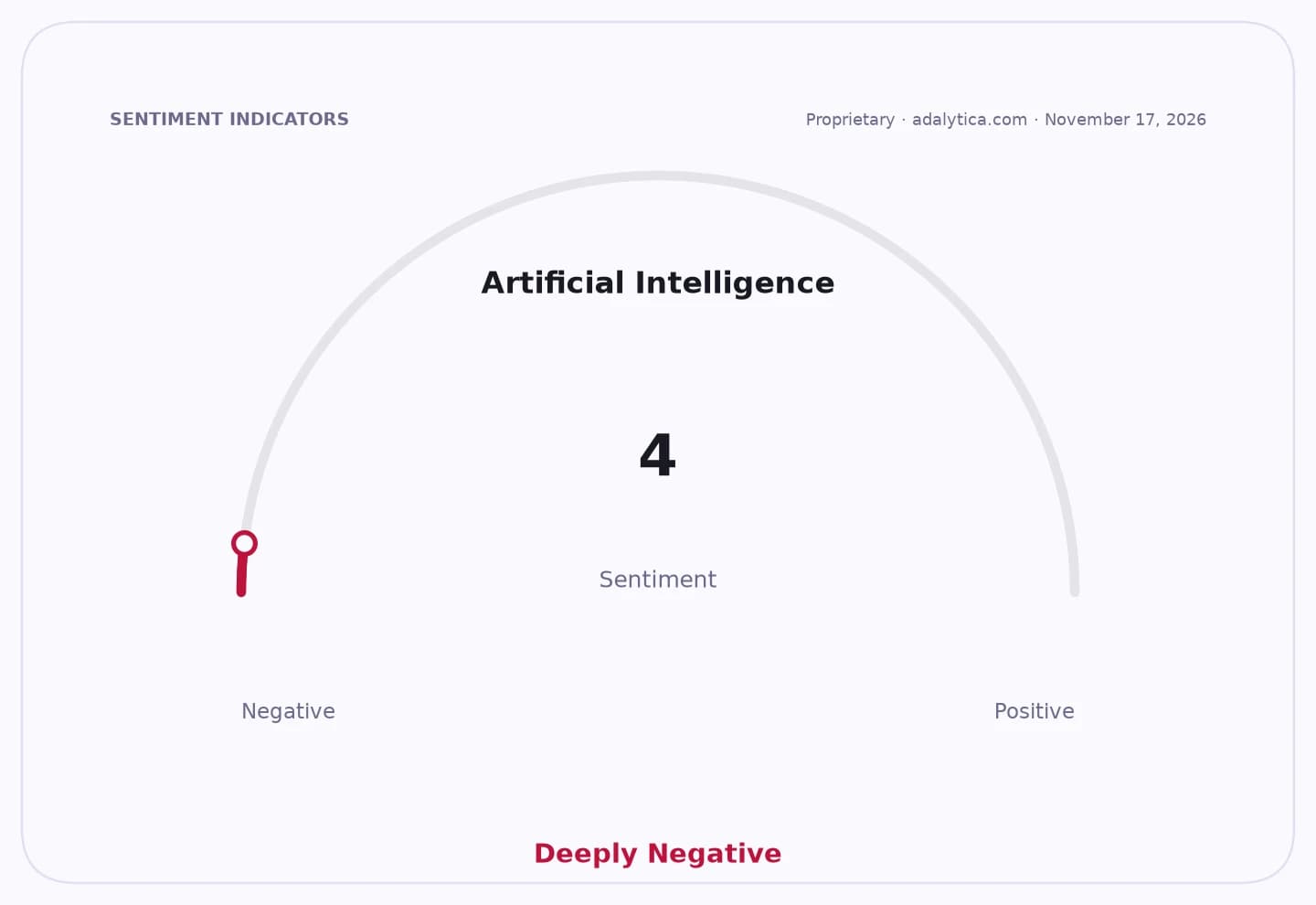
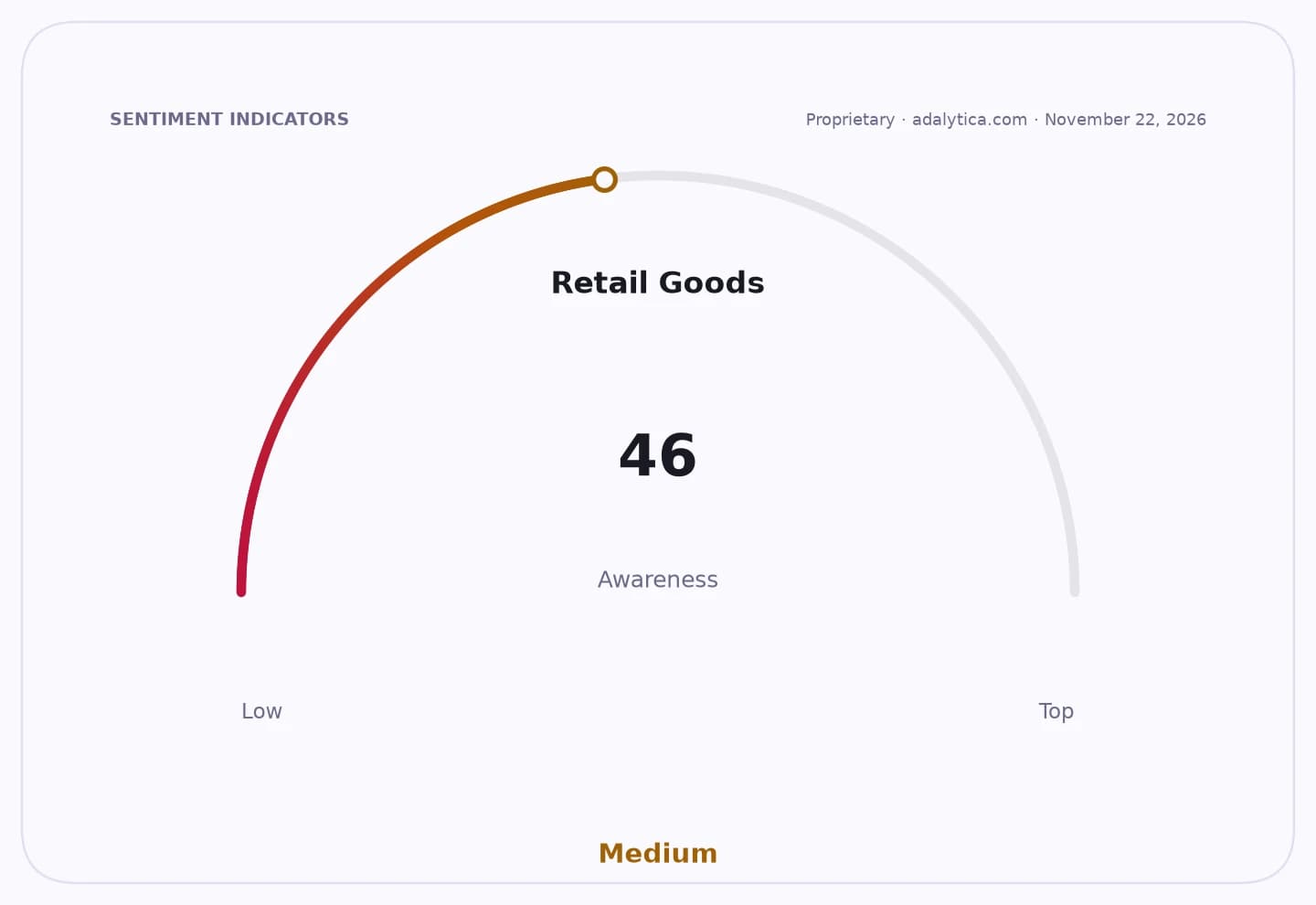
Sentiment Indicators
For investors, the significance is less about the label “agentic” than about distribution. Apple controls the world’s most valuable consumer device ecosystem, and if it can embed a trustworthy AI agent into iPhones, it could move customer behavior away from direct app usage and toward AI-mediated transactions. That would threaten the economics of search, travel booking and ecommerce, while opening a new monetization path for Apple through services, default placement and transaction flow.
The push comes as the broader market for AI agents is accelerating, with OpenAI, Anthropic and Meta all pursuing systems that can complete tasks rather than merely answer questions. Apple’s entry matters because of its scale and because it has spent years emphasizing privacy and on-device intelligence, two features that could be crucial if consumers are to trust an assistant that can make purchases or execute bookings.
The travel sector is one of the clearest near-term use cases. Booking Holdings has already expanded its AI-driven travel service, Vayo, to handle full-trip bookings across platforms, and both Booking and Expedia have told investors they are building toward AI-powered traveler experiences. That suggests the battle is moving from simple trip search to the higher-value step of actually closing the transaction, where whoever controls the interface can influence conversion rates, commissions and customer loyalty.
The market reaction underscores that redistribution risk. Apple shares were recently around $349, above their 50-day moving average of about $341 and well above the 200-day average near $302, reflecting a stock that has held up despite the spending demands of the AI race. Booking shares, by contrast, have fallen to about $147 from more than $300 earlier in the year, while Expedia has slid to roughly $239 from above $300 in late October. The moves point to investor concern that AI could compress the margins of intermediaries that depend on controlling the booking funnel.
There is also a strategic tension for Apple. An AI agent that can shop and book travel could deepen engagement and reinforce the case for premium hardware and services, but it also raises execution and liability risks. Apple disclosed in its recent annual report that its ability to oversee third-party AI agents may be limited, and that such tools could produce unintended consequences or violate policies and laws. That caution matters if Apple wants its assistant to do more than recommend products or routes.
The bull case is that Apple can make agentic AI feel safe enough for mainstream consumers, turning the iPhone into the default place where spending decisions are made. The bear case is that consumers will use AI for discovery but still complete purchases in traditional apps, leaving Apple with the costs of development but not the economics of the transaction.
What happens next will depend on whether Apple can translate internal AI work into a product that handles high-stakes tasks reliably, and whether travel and ecommerce platforms can preserve direct relationships with users. If Apple succeeds, it could reshape not just how people search, but who gets paid when they buy.
| Entity | Gains | Losses |
|---|---|---|
| Apple | ▲More iPhone engagement | ▼Higher AI execution risk |
| Booking Holdings | ▲AI booking volume | ▼Funnel control erosion |
| Expedia | ▲Automated travel demand | ▼Pricing power pressure |
| OpenAI/Anthropic/Meta | ▲Stronger AI-agent market | ▼Apple entering the field |