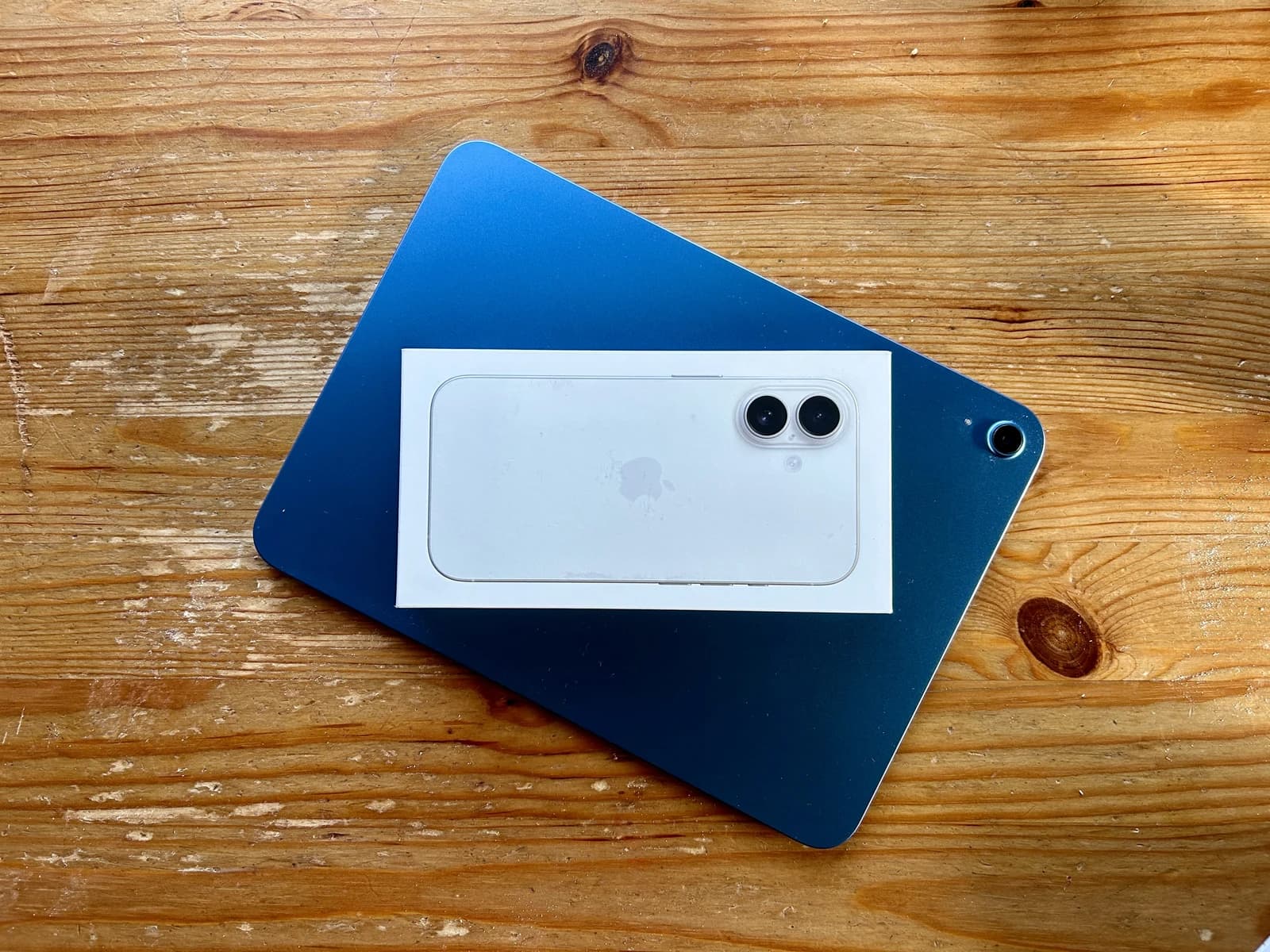
Apple has begun testing its Apple Intelligence features in China with developers, leaning on Alibaba’s Qwen model to clear Beijing’s regulatory hurdles and close a gap that has left the iPhone maker trailing local rivals in one of its most important markets.
Apple tests AI features in China with Alibaba

The move matters because China is still a major profit pool for Apple, but it is also one of the toughest places for a U.S. tech company to deploy generative AI. Local rules require AI services to be registered with internet regulators, processed on domestic servers and kept inside China, effectively blocking Apple from using the Google and OpenAI systems it relies on elsewhere.
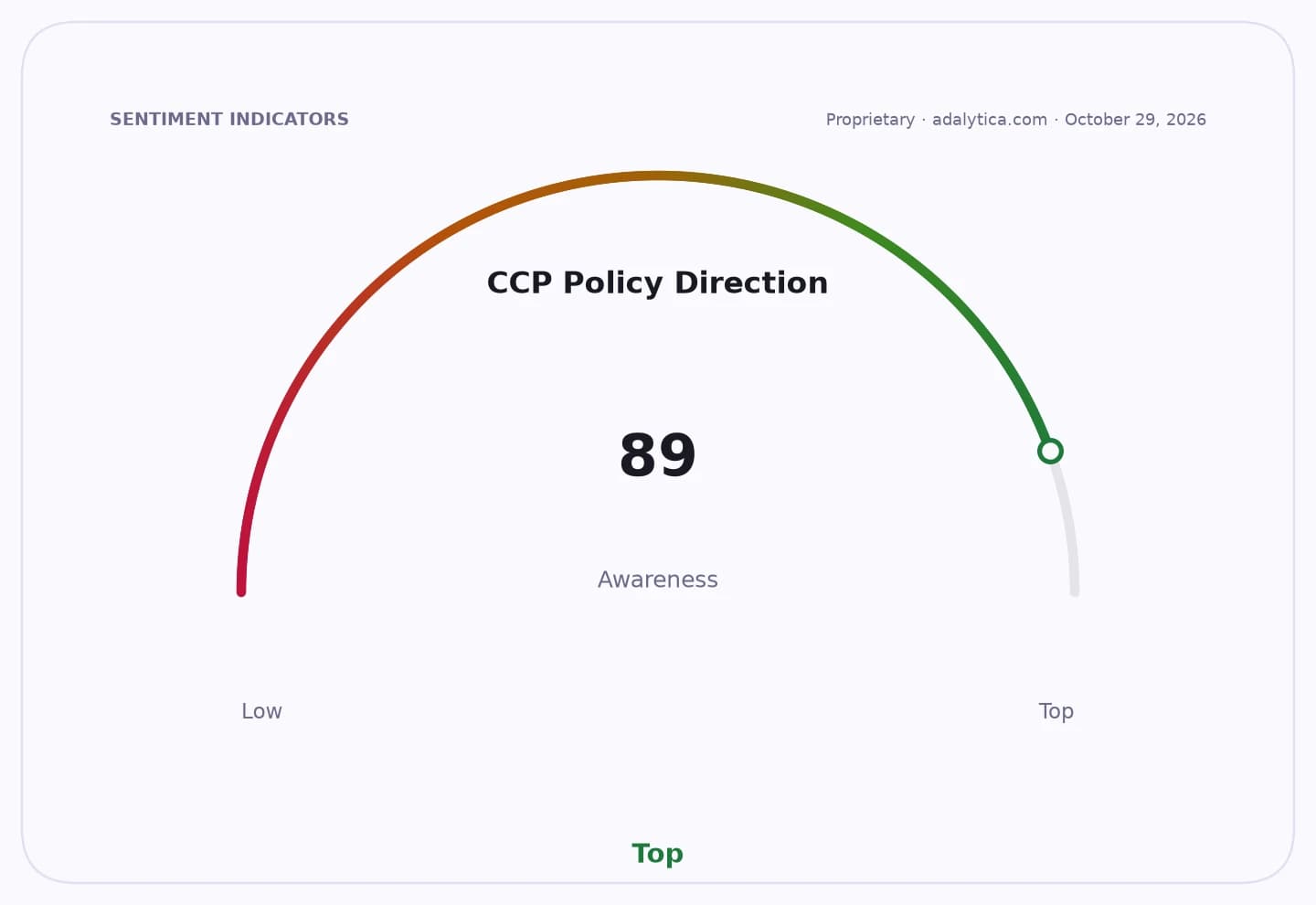
Sentiment Indicators
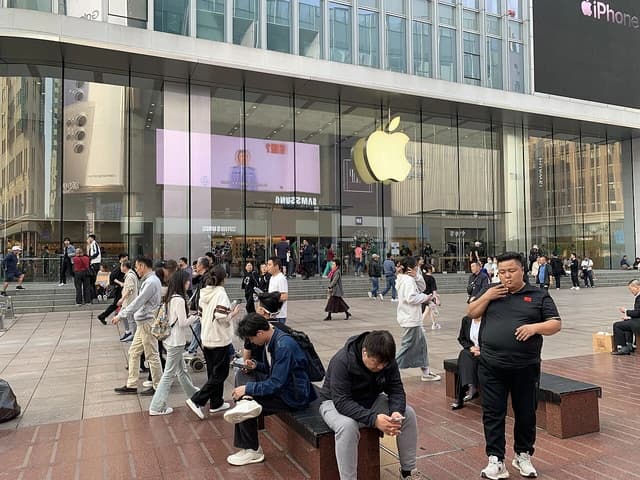
Apple said in a weekend statement that the China launch will open to the public in December, after a developer-only test phase. The first release will include 18 features, among them live call translation and tools to summarize and edit messages, though it will not include the latest upgrade to Siri.
For investors, the timing is important because Apple has spent nearly two years trying to bring its flagship AI suite to market in China while rivals including Xiaomi, Huawei and other domestic handset makers have pushed their own AI capabilities aggressively. Counterpoint Research analyst Ivan Lam said the rollout fills a long-standing gap in Apple’s AI offering, but added it does not automatically give the company a decisive edge in a crowded field.
Alibaba stands to gain from the partnership as Apple needs a local model provider that can operate inside China’s compliance framework. Qwen, Alibaba’s open-weight AI family, has emerged as a widely used foundation model, helping the e-commerce and cloud group extend its reach beyond its core businesses and into consumer devices.
Apple’s dependence on a Chinese partner also underscores the regulatory cost of doing business in the country. The company reportedly spent months in talks with several Chinese tech groups, including Baidu, ByteDance and Tencent, before settling on Alibaba, and only secured the required approvals in July.
The scale of the opportunity is still large: Omdia estimates more than 110 million iPhones in China are capable of running Apple Intelligence. But that base comes with fierce competition, and Apple’s latest push comes as its Greater China revenue rose 21% in the latest quarter, even as management faces a difficult market and a tougher local AI landscape.
Apple shares have remained close to recent highs, with the stock last closing at $342.37 on Nov. 6, above its 200-day moving average of $298.54 but still below the upper end of its recent trading range. Alibaba closed at $109.45, with the stock holding just above its 50-day average of $108.29 as sentiment around its earnings has swung sharply in recent sessions.
The near-term catalyst is the December public launch in China, which will show whether Apple can turn regulatory compliance and a local AI alliance into a real product advantage rather than just a delayed catch-up move.
| Entity | Gains | Losses |
|---|---|---|
| Apple | ▲China AI access | ▼Regulatory delay |
| Alibaba | ▲Higher-profile AI role | ▼Pressure to deliver |
| Chinese iPhone users | ▲More AI features | ▼Slower rollout |
| Local Android rivals | ▲Stronger Apple competition | ▼Share of premium demand |