Apple is getting closer to bringing Apple Intelligence to China after regulators there approved Alibaba’s AI models for use on iPhone, a potentially important step for the company’s push to make the iPhone feel more relevant in its biggest overseas challenge market.
Apple Intelligence Approved for iPhone in China
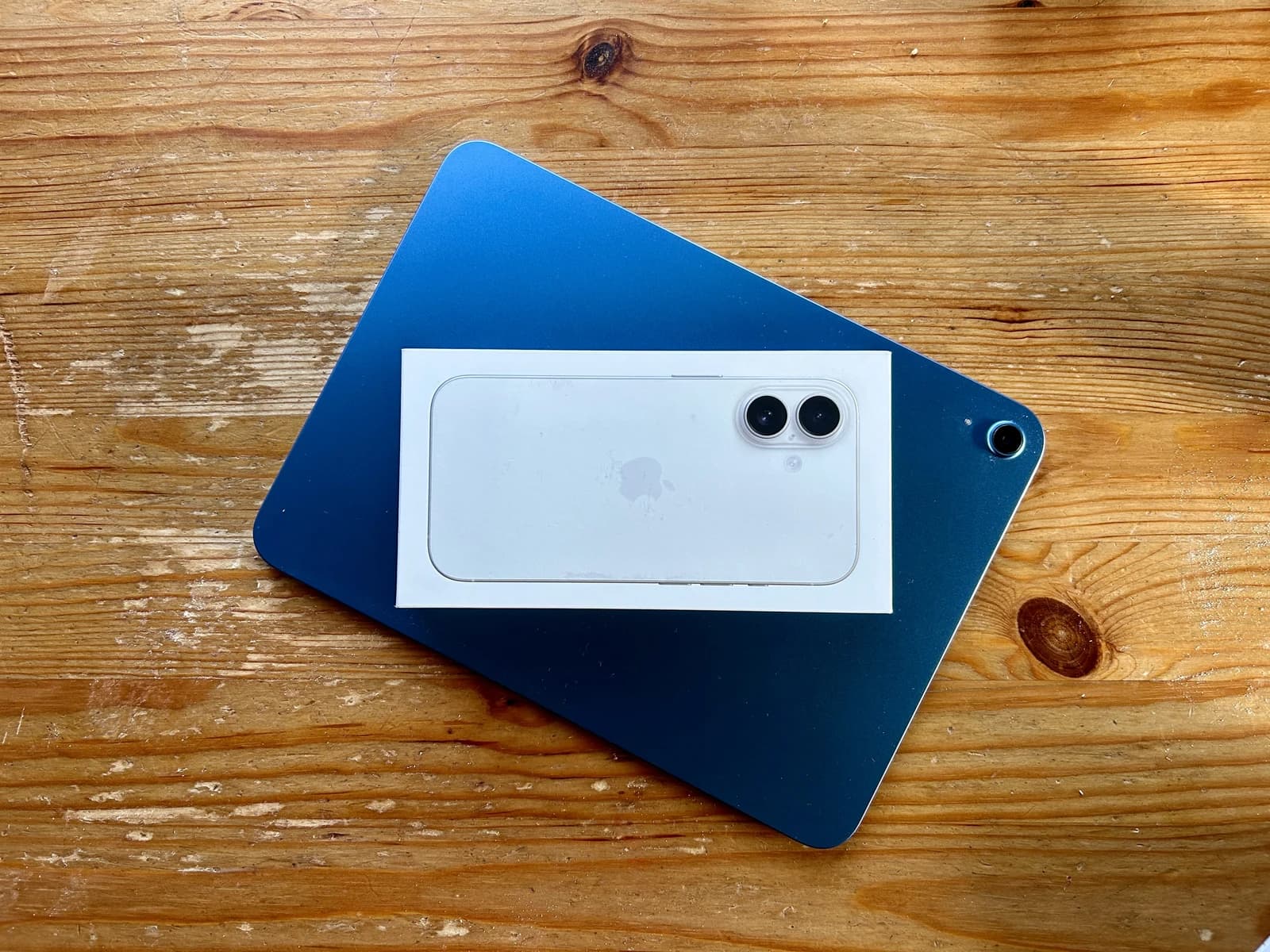
That matters because China is still the world’s largest smartphone market, and Apple has been losing ground to local rivals that are moving faster with AI features and premium hardware. If Apple can finally localize its AI tools for mainland users, it gives the iPhone a better chance to defend its position against Huawei and other domestic brands that have turned software features into a selling point.
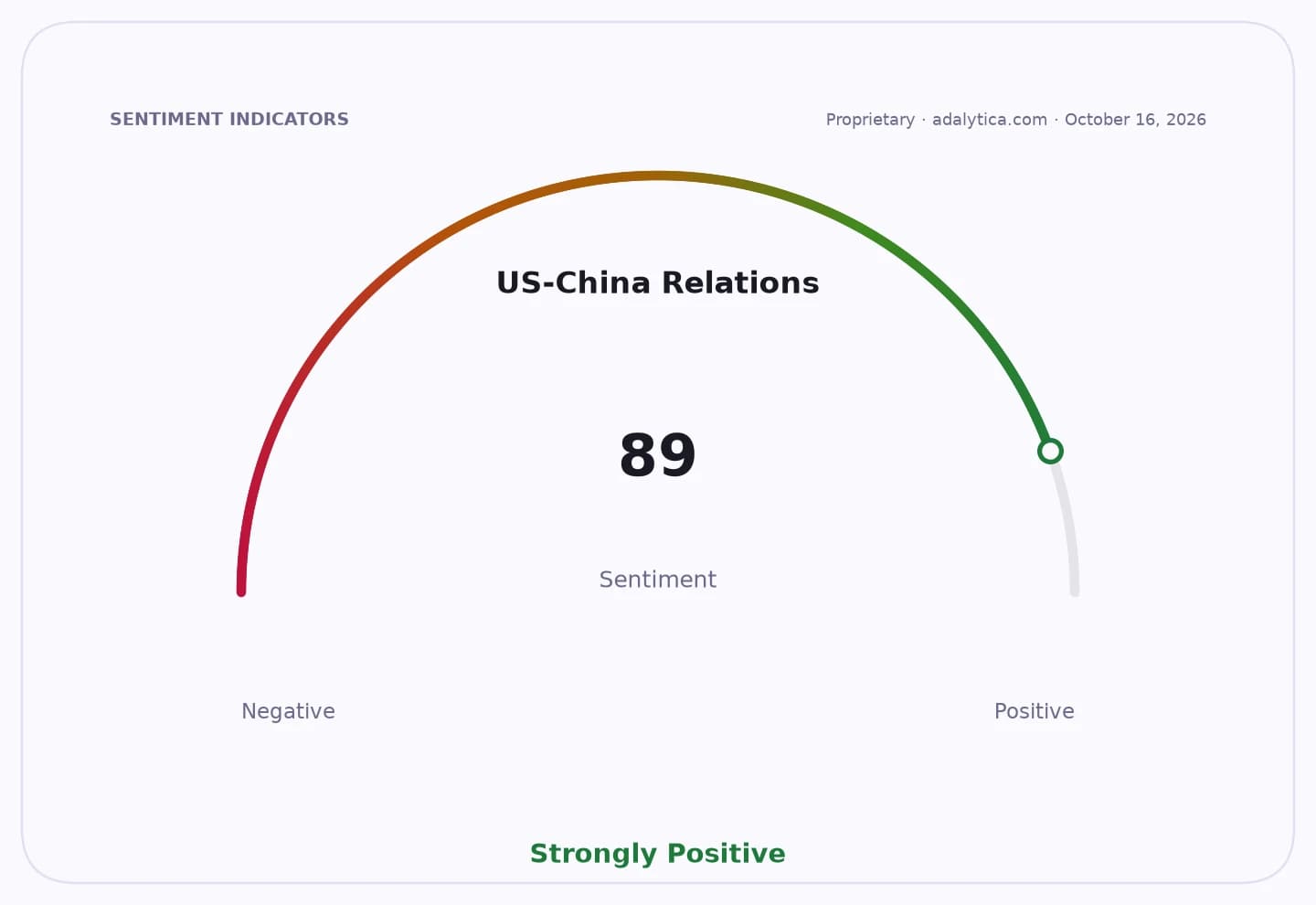
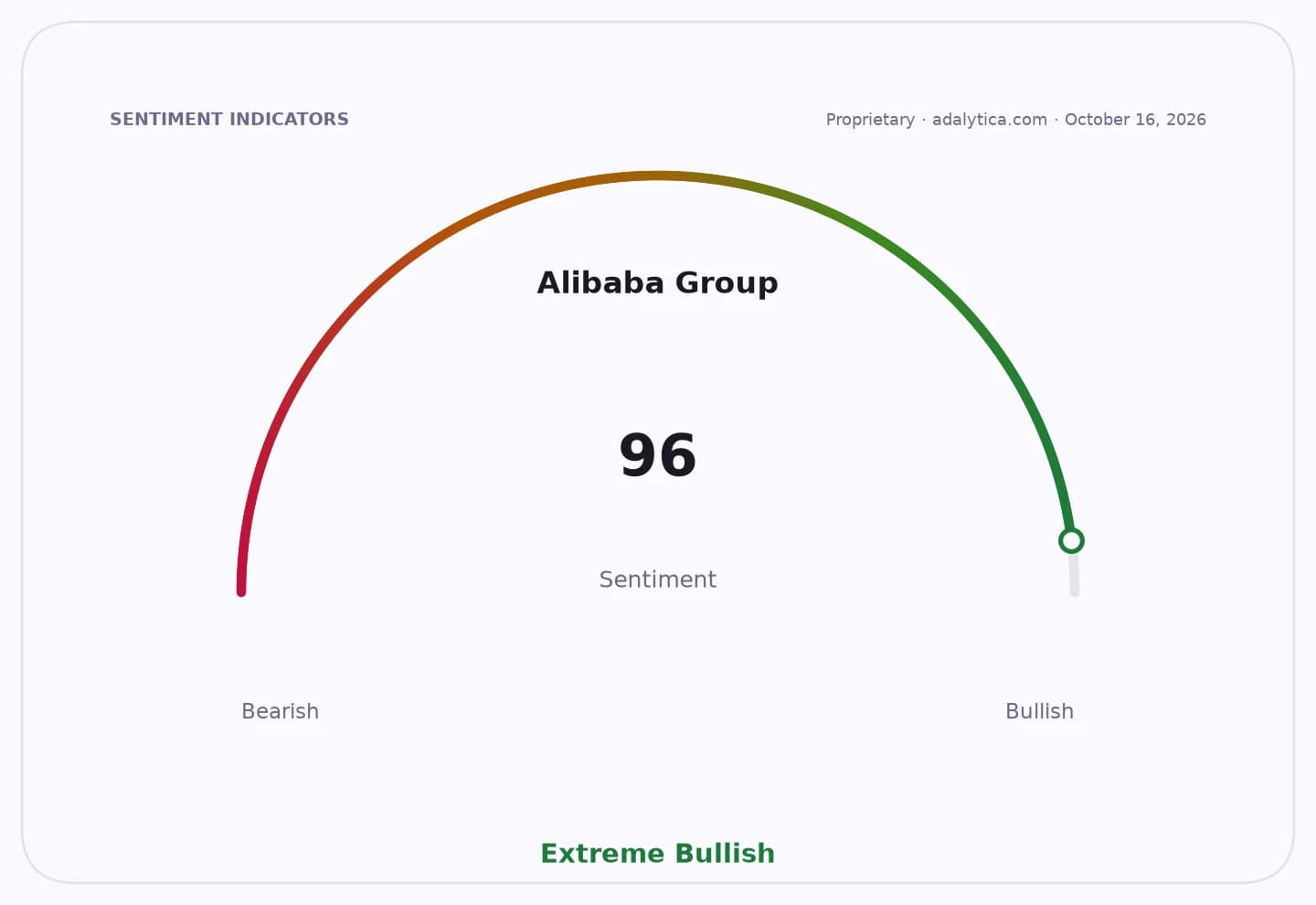
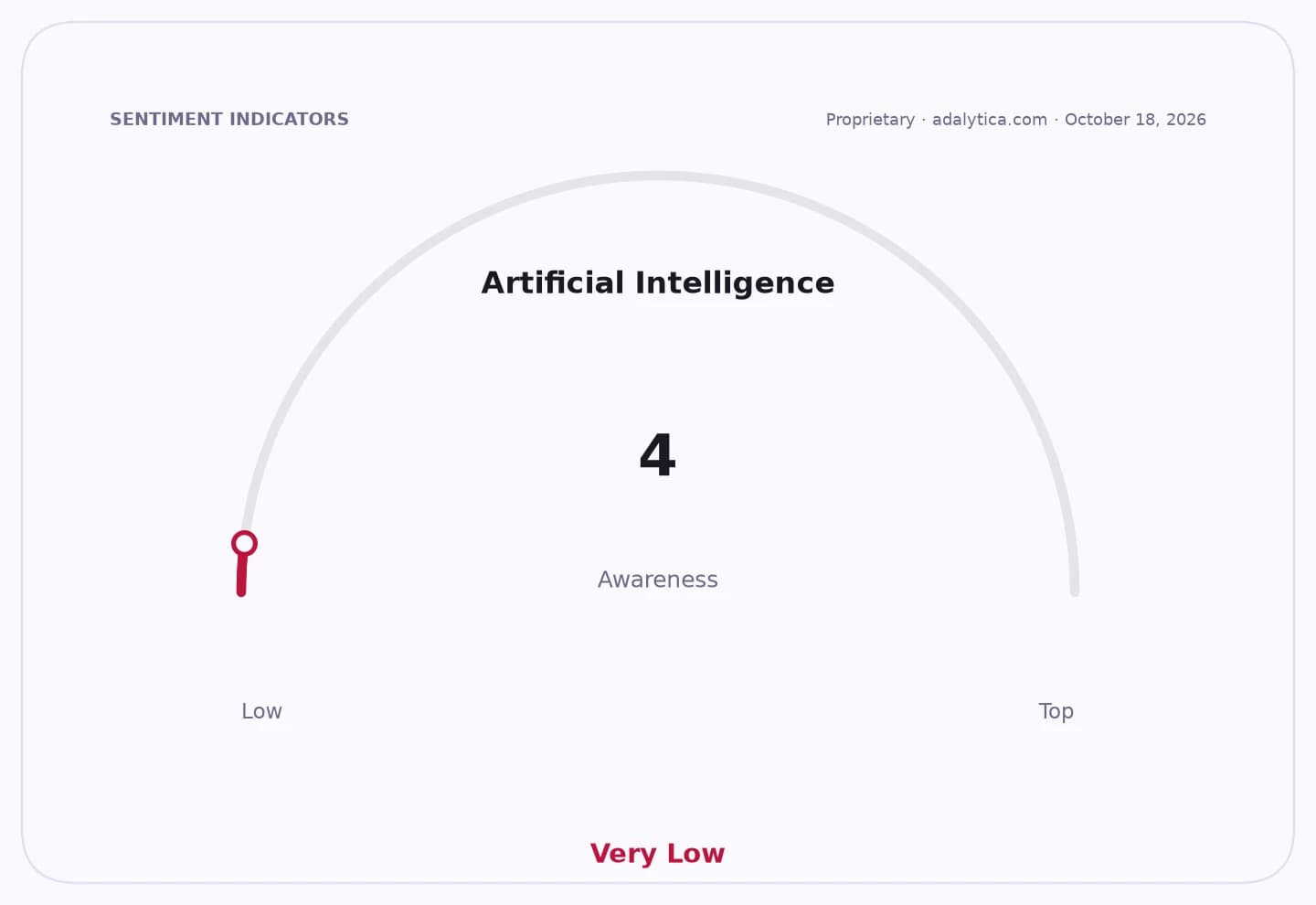
Sentiment IndicatorsⓘProprietary · adalytica.com · October 17, 2026
This is a snapshot — live sentiment, awareness and momentum for 130+ markets update continuously in the dashboard.Open AlphaPulse
According to reports cited by SCMP, China has granted approval for Alibaba’s Tongyi Qianwen and Tongyi Wanxiang models to run on iPhone, alongside Apple Intelligence. Tongyi Qianwen, or Qwen, is a large language model, while Tongyi Wanxiang handles image and video generation from text. Apple has also already lined up some Apple Intelligence features for the mainland, including the Clean Up photo tool, and had previously said it would work with Alibaba on some AI capabilities there.
The timing is important. Apple’s AI rollout has been delayed in China by regulatory hurdles, even as it has leaned on Google and OpenAI in other markets. Beijing’s approval suggests the company may finally have a pathway to offer a more complete AI experience in one of the few regions where a meaningful product upgrade can still move the needle for iPhone demand.
That is especially relevant for investors because China remains a swing factor in Apple’s earnings story. IDC data showed smartphone shipments in China fell 15% year over year in the third quarter, while Huawei was the only major leader to grow sales, up 17%, and took the top spot with 21% market share. Apple ranked second at 18%, with sales down 4% from a year earlier. In other words, Apple is fighting for relevance in a shrinking market where consumers have become more selective and local competition is getting stronger.
There are signs the iPhone can still respond when the product cycle is compelling. Counterpoint Research said iPhone 18 Pro sales in China were stronger in their first three days than iPhone 17 Pro sales were in a full week, helping Apple reclaim the top spot in weekly smartphone sales for Sept. 14-20 with a 33% share. That kind of response is exactly why AI integration matters: it is not just a feature update, but a way to keep the iPhone in the conversation when shoppers decide whether Apple is worth the premium.
For long-term investors, the bigger story is that Apple is still building a global AI strategy one market at a time, and China may be one of the most commercially important pieces. Regulatory risk is still real, and the rollout could remain uneven, but the direction is encouraging. If Apple Intelligence can become a true selling point in China, it could help extend the iPhone’s upgrade cycle and support Apple’s premium franchise over the next several years.
Apple’s shares have already reflected a lot of optimism, and technical indicators show the stock trading well above both its 50-day and 200-day moving averages, so investors do not need to chase it. But for those thinking in years, not weeks, this is the kind of development that can reinforce a durable consumer brand. Apple remains a company worth watching, especially if China’s AI gate opens wider.
| Entity | Gains | Losses |
|---|---|---|
| Apple | ▲stronger China iPhone appeal | ▼slower AI rollout risk |
| Alibaba | ▲deeper mobile AI reach | ▼greater regulatory scrutiny |
| Huawei | ▲less room to dominate premium buyers | ▼Apple AI-enabled competition |
| Chinese smartphone rivals | ▲feature race intensifies | ▼Apple regains premium relevance |