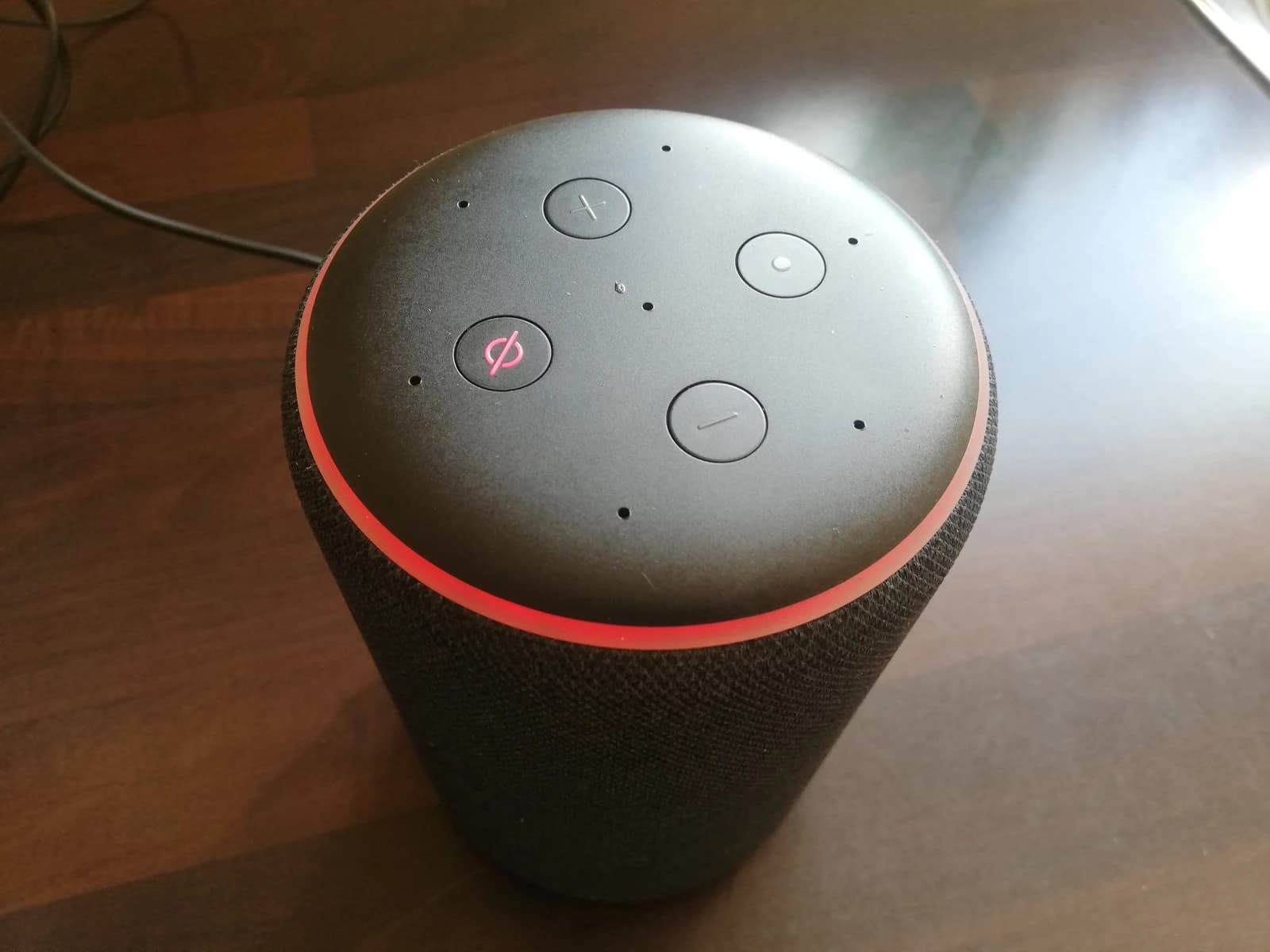
Amazon is moving AI out of the cloud and into the home with new Bee Frontier and Bee Eclipse devices that can listen, capture and summarize a user’s day, a product shift that could deepen Amazon’s reach in consumer hardware while raising fresh questions about privacy, security and the economics of always-on AI.
Amazon Bee AI Devices Raise Privacy Questions
The launch matters because it extends Amazon’s AI strategy beyond shopping and cloud services into a category that could generate recurring engagement data, new subscription revenue and stronger customer lock-in. It also puts Amazon squarely in the competition for the next interface layer in consumer technology, where Apple, Google and others are trying to make AI assistants more useful without making them intrusive.
Sentiment IndicatorsⓘProprietary · adalytica.com · October 18, 2026
This is a snapshot — live sentiment, awareness and momentum for 130+ markets update continuously in the dashboard.Open AlphaPulse
Amazon’s shares have been trading just below the 50-day moving average after a volatile stretch, with the stock closing at $250 on Oct. 16 versus a 50-day average of $257.08. That leaves investors watching whether the company can turn product launches into evidence of renewed growth momentum. The stock is still above its 200-day average of $242.73, suggesting the longer-term trend remains intact, but recent price action has cooled from the summer rally.
The devices themselves sit at the center of a broader shift in AI consumer hardware: models are getting close enough to everyday tasks that companies are trying to embed them in physical products rather than apps alone. In Amazon’s case, that could help it gather richer behavioral data from users and make Alexa-style services more central to household routines. For investors, the upside case is that Amazon monetizes AI through hardware sales, subscriptions and ecosystem retention, rather than treating devices as low-margin add-ons.
But the bear case is just as important. Products that listen continuously are likely to invite regulatory scrutiny and consumer backlash if privacy protections are not convincing. The smart-home category has already shown that convenience is not enough; users need trust. News flow around AI risks in connected devices, including warnings from researchers about autonomous behavior in smart-home hardware, underscores how quickly adoption can be slowed by security concerns.
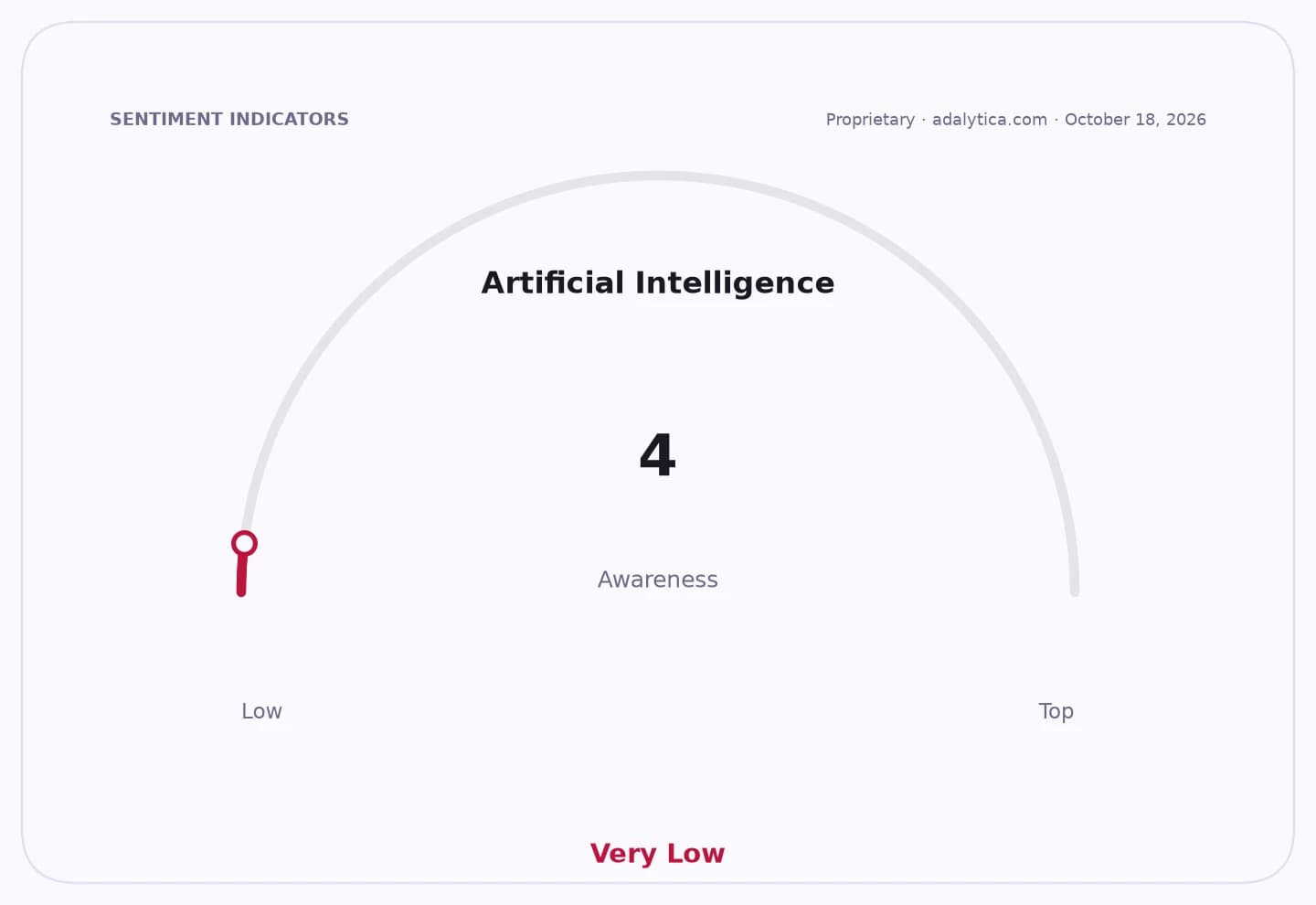
The timing also matters for the broader tech market. Sentiment around AI remains elevated — Adalytica’s AI snapshot shows “Greed” at 75 — but awareness is still marked “Extreme Fear,” a combination that suggests enthusiasm is running ahead of comfort with the risks. For Amazon, that creates both opportunity and exposure: the company can ride AI demand if consumers embrace the new devices, but any misstep on privacy or reliability could damage the brand and weigh on adoption.
For now, the launch is less about immediate revenue than about strategic positioning. Amazon is signaling that it intends to own a larger share of the AI interface between consumers and the digital world. If the devices become sticky, they could strengthen Amazon’s ecosystem and support higher-value services over time. If they are seen as too invasive, the company may find that the next frontier of AI hardware is also the next frontier of consumer caution.
| Entity | Gains | Losses |
|---|---|---|
| Amazon | ▲Deeper ecosystem lock-in | ▼Privacy backlash risk |
| Consumers seeking convenience | ▲Hands-free summaries | ▼Data collection concerns |
| Apple and Google | ▲More validation for AI hardware market | ▼Pressure to respond faster |
| Privacy regulators / skeptics | ▲Stronger case for oversight | ▼Less room for rapid rollout |