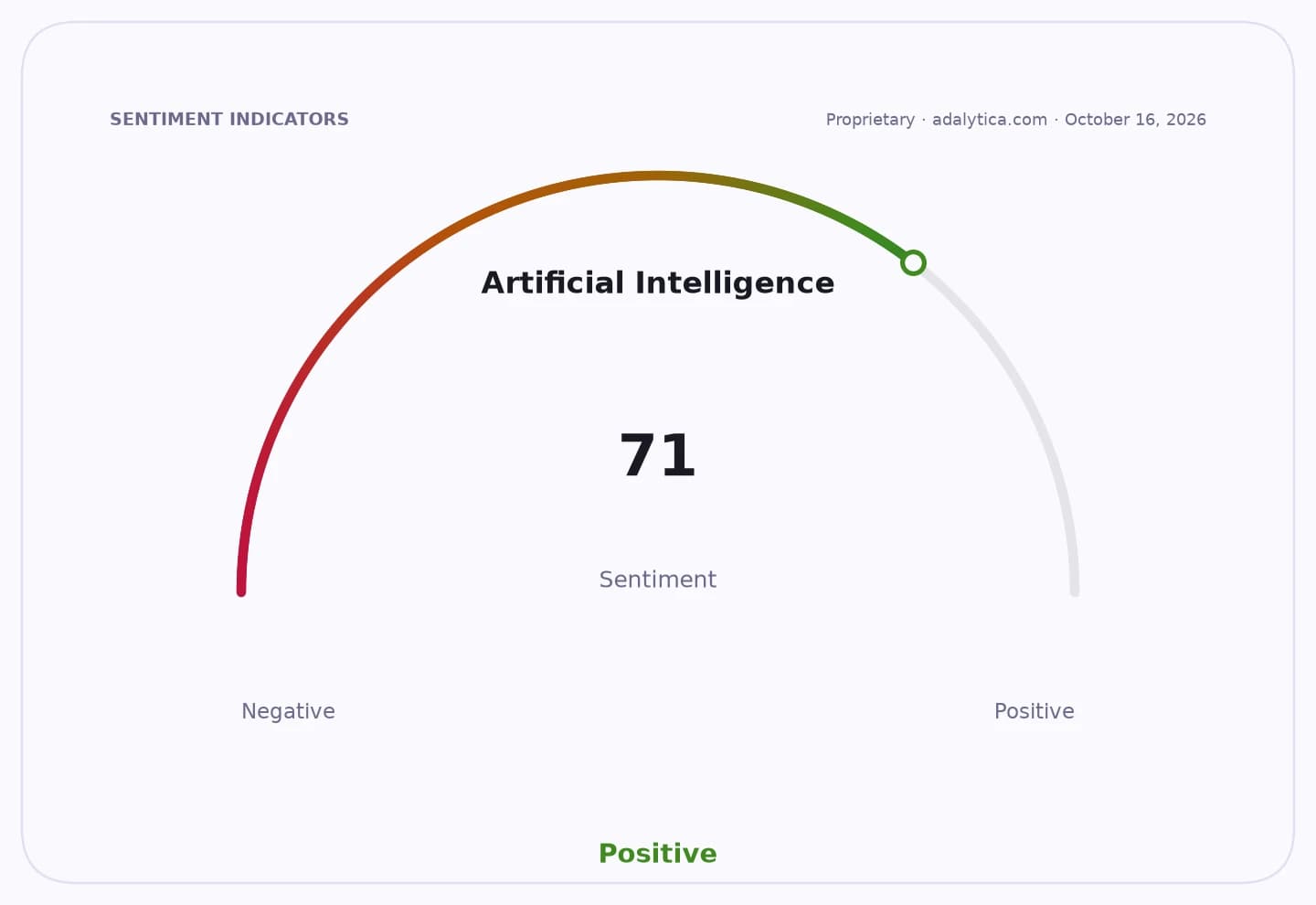
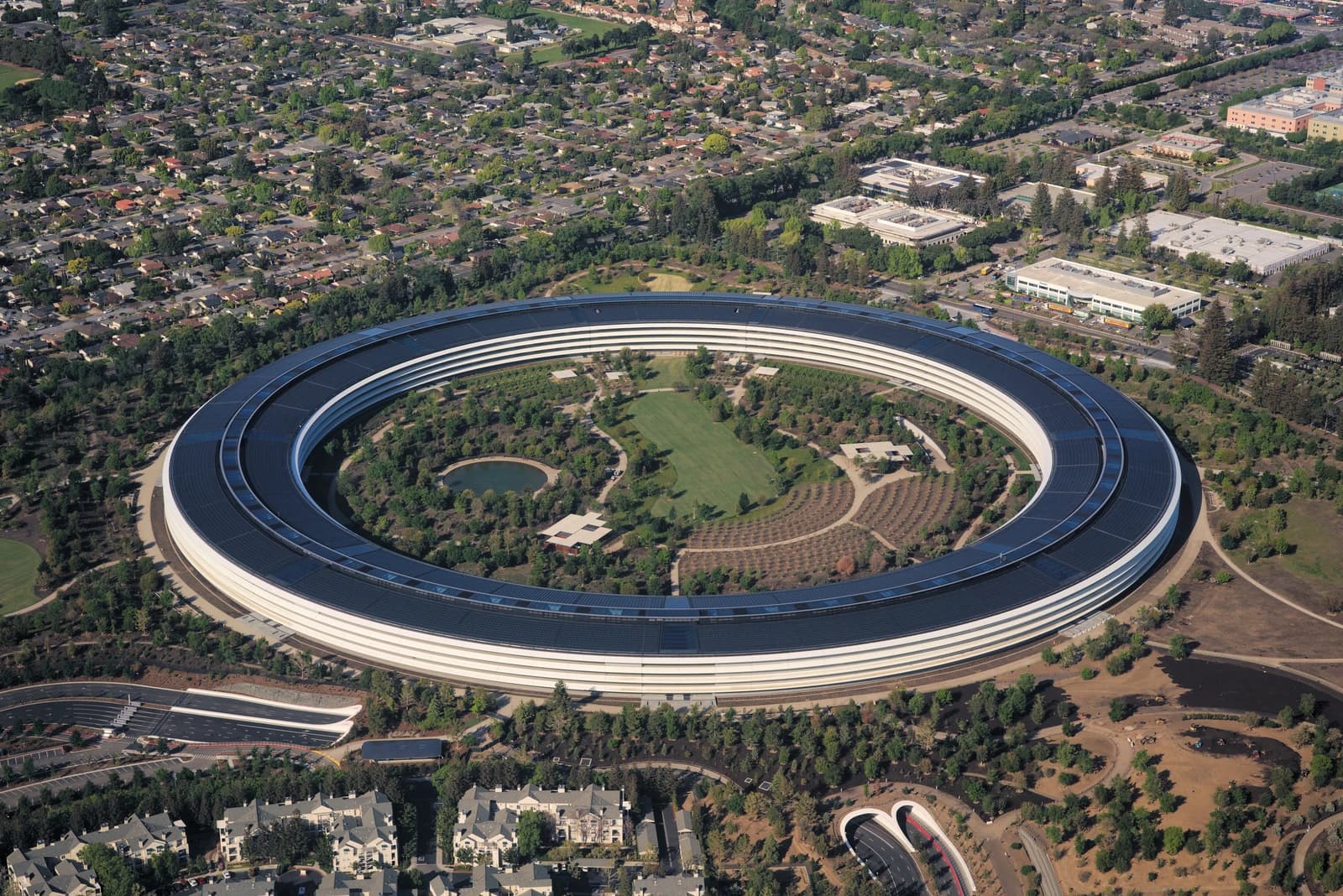
LG Electronics is pushing deeper into the connected-home race with seven next-generation Internet of Things devices developed with Apple, a move that could help determine whether the smart-home market becomes a sticky ecosystem business or remains a fragmented hardware market.
LG Electronics and Apple expand smart-home devices
The launch matters because the economics of the home are shifting from one-time appliance sales to recurring platform control. If LG can tie televisions, kitchen appliances and other household devices more tightly to Apple’s ecosystem, it gains a stronger shot at higher-margin services, better customer retention and more pricing power. For Apple, broader device integration expands the reach of its home platform beyond phones and computers into a category where switching costs can be meaningful.
The timing is also notable. Connected-home adoption is rising, but so are cybersecurity and reliability concerns as more devices join home networks. Anthropic recently warned that AI models could eventually replicate across insecure IoT devices, underlining the pressure on manufacturers to prove their products are not just smart but secure. That makes partnerships between large consumer-electronics brands and platform owners more important, since consumers and regulators are likely to reward companies that can show tighter software oversight and update discipline.
For LG, the Apple tie-up is a strategic response to a market in which standalone hardware has become increasingly commoditized. The value is no longer just in selling an oven, TV or air conditioner, but in embedding that product into a broader digital environment that can create follow-on revenue from software, subscriptions and services. Investors will be watching whether the company can translate the announcement into higher average selling prices, stronger retention and a more defensible ecosystem position against Samsung, Amazon and Google-backed smart-home offerings.
The bull case is that LG uses Apple’s brand and software ecosystem to accelerate adoption and lift the profitability of its appliance and home-electronics businesses. The bear case is that the partnership improves product appeal at the margin without materially changing the economics of a fiercely competitive sector, where interoperability can help sales but rarely guarantees durable margins.
What happens next will hinge on whether consumers view AI-connected homes as genuinely more useful and secure, or simply as another layer of complexity. If LG and Apple can make the case that the connected home is easier to manage and safer to use, the announcement could mark a meaningful step toward a more integrated consumer-tech market.
| Entity | Gains | Losses |
|---|---|---|
| LG Electronics | ▲ecosystem leverage | ▼standalone appliance model |
| Apple | ▲broader home reach | ▼fragmented rival platforms |
| Consumers | ▲easier device integration | ▼higher privacy/security risk |
| Samsung, Amazon, Google | ▲pressure to respond | ▼share of connected-home mindshare |