Samsung is widening the market for its AI appliances in Southeast Asia and Oceania, betting that homes, hotels and commercial buildings will increasingly pay for devices that do more than cool air, wash clothes and manage food.
Samsung expands AI appliances in Southeast Asia
That matters because the appliance business is no longer just about hardware replacement cycles. It is becoming a services-and-software play, with Samsung trying to lock customers into a connected ecosystem that can be updated for as long as seven years. For investors, that is the kind of shift that can lift recurring engagement, support margins and make a mature consumer business a little more durable over time.
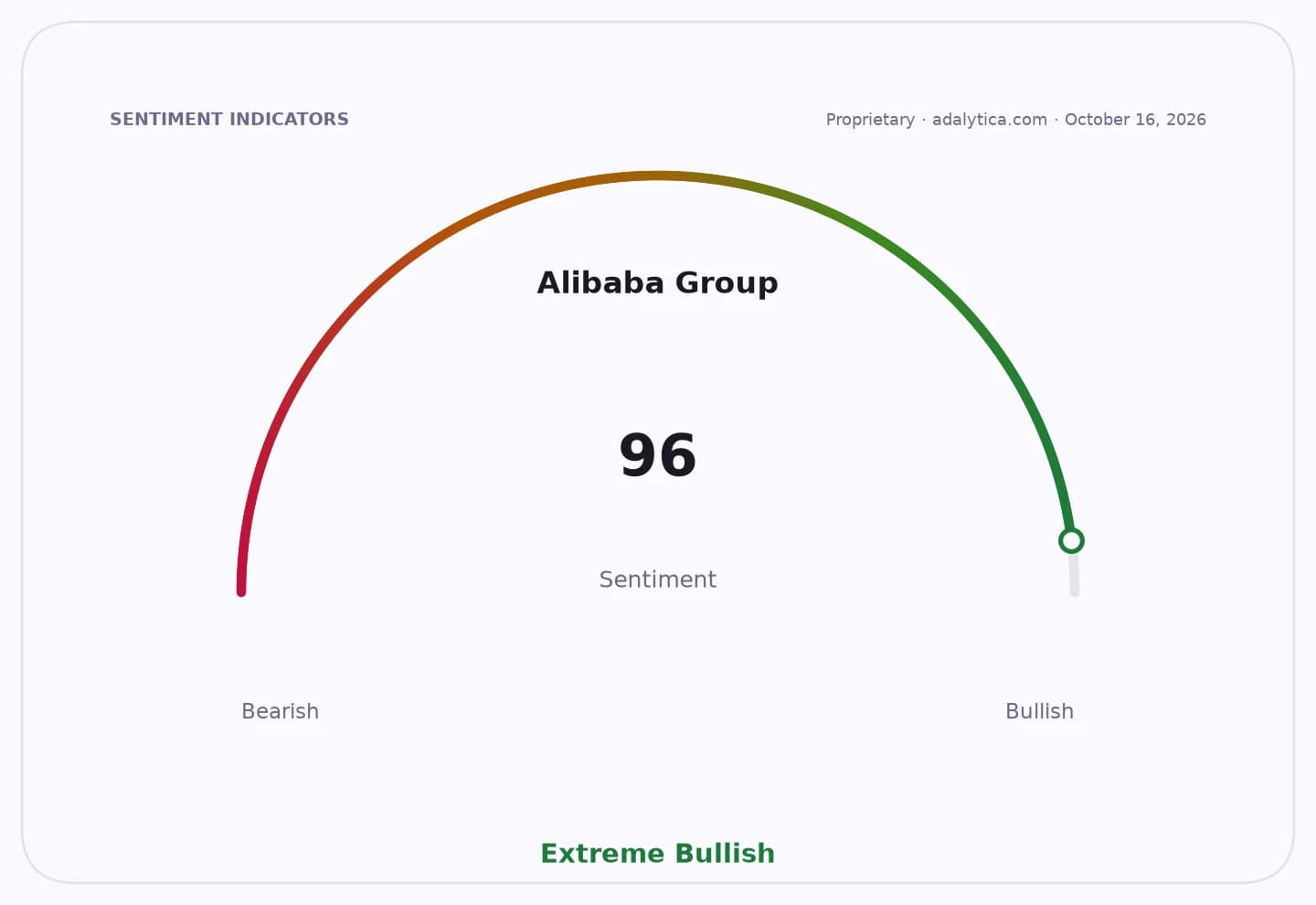
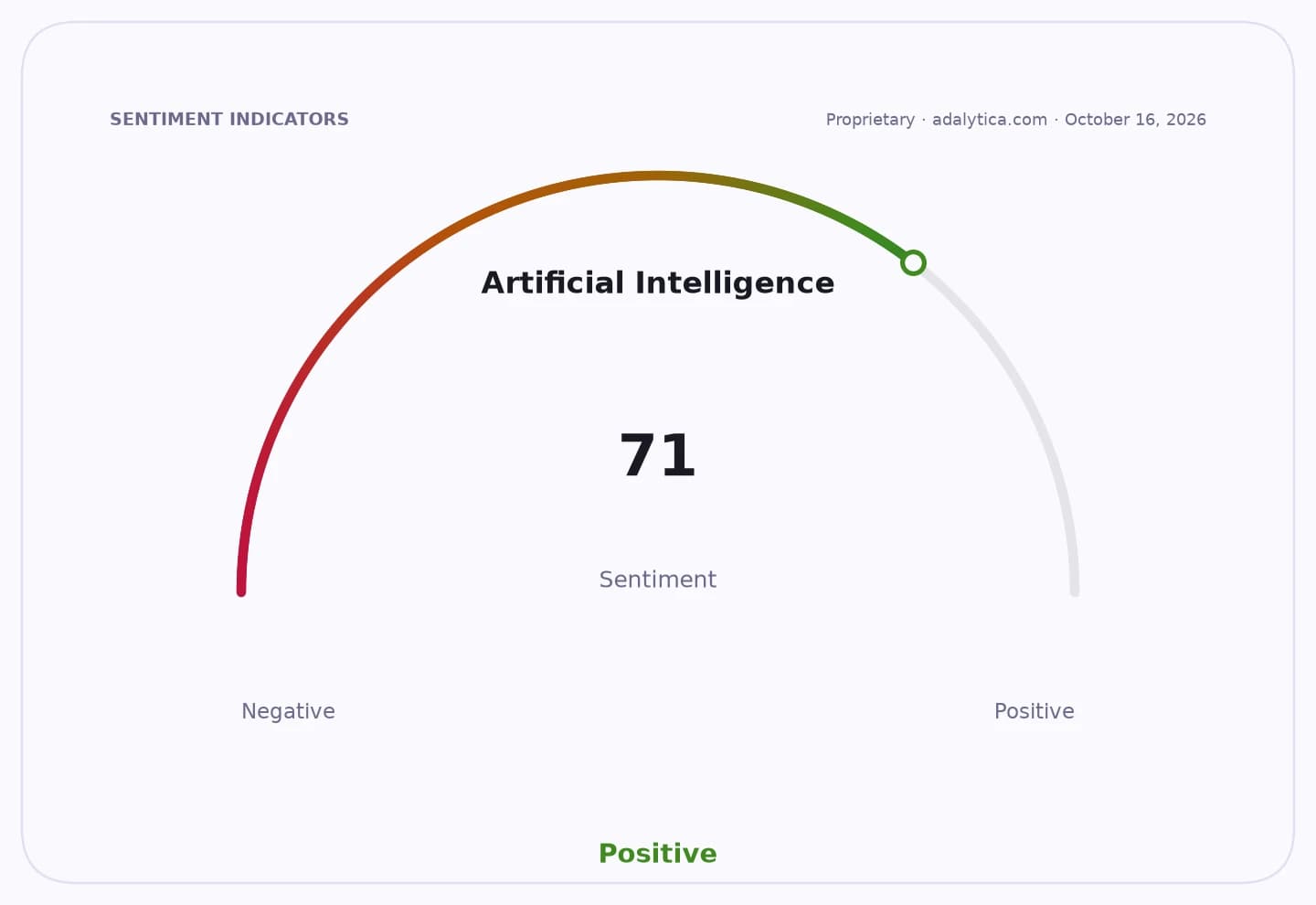
Sentiment IndicatorsⓘProprietary · adalytica.com · October 16, 2026
This is a snapshot — live sentiment, awareness and momentum for 130+ markets update continuously in the dashboard.Open AlphaPulse
The company used its “The Brief 2026” event in Hanoi to show off a broader lineup across washing machines, dryers, refrigerators and air conditioners for households and businesses across Southeast Asia and Oceania. Samsung also showcased SmartThings Pro, its B2B Internet-of-Things platform, which links HVAC systems and other equipment across residential, retail, hotel and corporate settings so operators can monitor energy use, automate tasks and manage multiple sites from one dashboard.
That B2B angle is especially important. Samsung is not just trying to sell more fridges and air conditioners; it is trying to become more embedded in how buildings are run. The company said its new Business Experience Studio in Hanoi is designed to let customers see how its products can work in education, hospitality and other commercial environments. That gives Samsung a sales tool as well as a showroom, and it reinforces the idea that appliances are turning into connected infrastructure.
The most obvious revenue opportunity is in climate control. Samsung is expanding its HVAC portfolio for both homes and commercial spaces, leaning on SmartThings connectivity and AI features. The recent acquisition of Europe’s FläktGroup pushes that ambition further into industrial uses such as data centers, where cooling demand should keep rising as cloud computing and AI infrastructure expand. In other words, Samsung is chasing not only consumer demand but also the secular buildout of power-hungry digital infrastructure.
On the home side, Samsung is leaning hard into convenience. Its AI-enabled refrigerators can identify more foods through upgraded AI Vision, suggest recipes through SmartThings Food and personalize shopping lists using usage patterns. The company is also promising up to seven years of software support for eligible appliances, a notable move in a category that has traditionally been defined by durability, not ongoing improvement.
That long support window is a competitive advantage if Samsung can execute on it. It helps justify premium pricing, keeps customers inside the ecosystem and gives the company more chances to sell complementary devices and services later. The remote diagnostics feature, Home Appliance Remote Management, could also reduce service friction and improve customer satisfaction, which matters in markets where after-sales support can be a deciding factor.
There are risks, of course. Connected appliances raise cybersecurity and privacy concerns, and the more Samsung ties devices to cloud-based AI and remote management, the more it has to prove that convenience does not come at the expense of trust. The broader industry is also moving quickly, which means Samsung will have to keep refreshing features rather than relying on one-off launches.
Still, the long-term story is straightforward: Samsung is trying to turn appliances into intelligent, connected products that can serve consumers and businesses for years, not just until the next replacement cycle. For investors thinking in decades, not quarters, that is the kind of gradual but meaningful transformation worth watching.
| Entity | Gains | Losses |
|---|---|---|
| Samsung | ▲Higher-value ecosystem sales | ▼Pure hardware rivals |
| Homeowners | ▲More convenience and personalization | ▼Privacy-sensitive users |
| Businesses | ▲Lower energy and maintenance costs | ▼Old standalone systems |
| Competitors | ▲— | ▼Pressure to match AI features |