Samsung Electronics’ Silicon Valley communications summit highlights how the company is trying to position itself not just as a handset maker, but as a supplier of core technologies for the next phase of artificial intelligence and 6G networks.
Samsung Electronics AI and 6G summit strategy
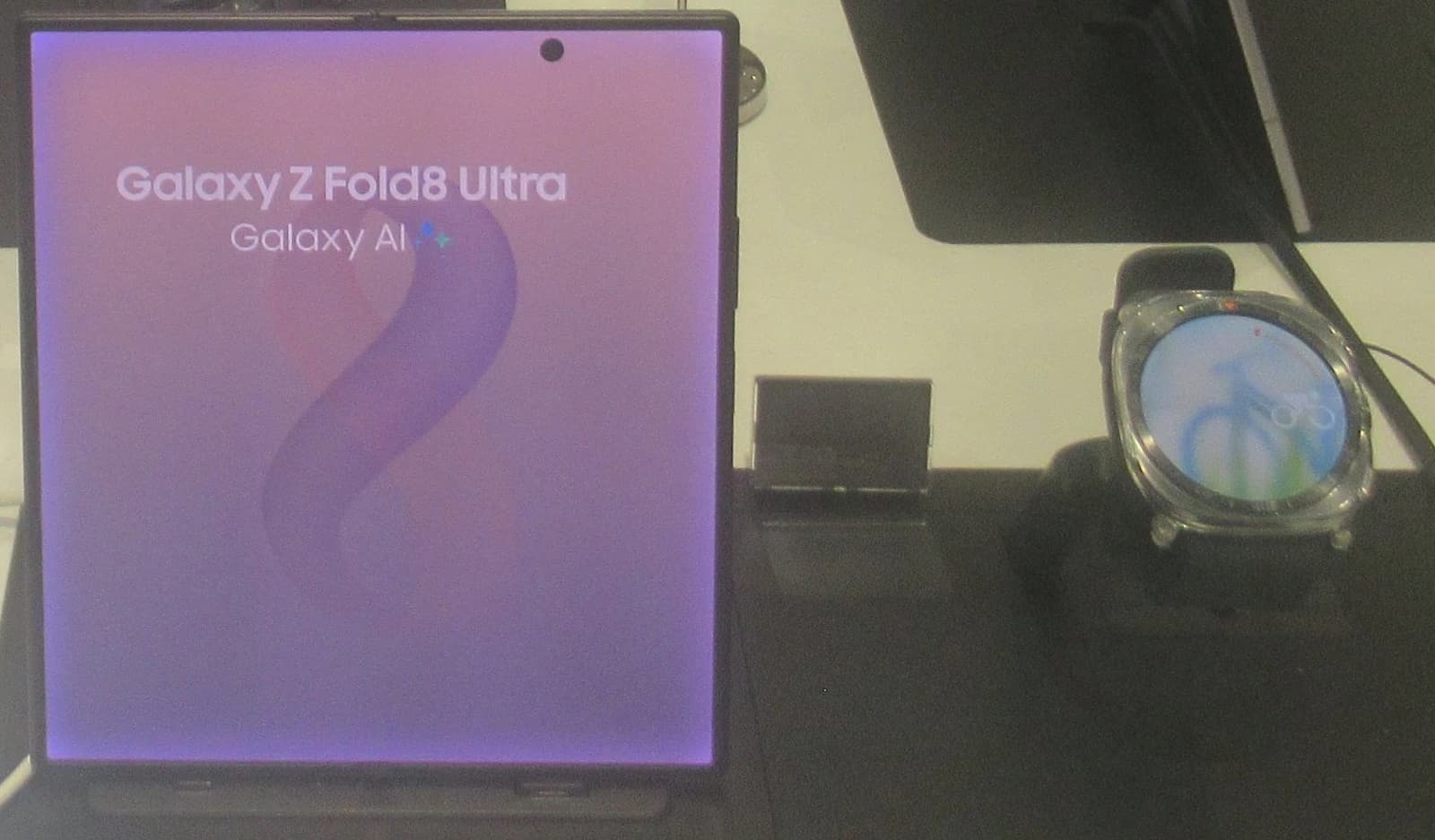
That matters because the fight over AI infrastructure is moving beyond data-center chips into the radios, modems and network equipment that will connect the next generation of devices. For Samsung, a stronger stake in that ecosystem could help diversify earnings at a time when memory-chip demand remains cyclical and smartphone growth is mature. For investors, the question is whether the company can turn technology demonstrations and partnership-building into commercially meaningful design wins.
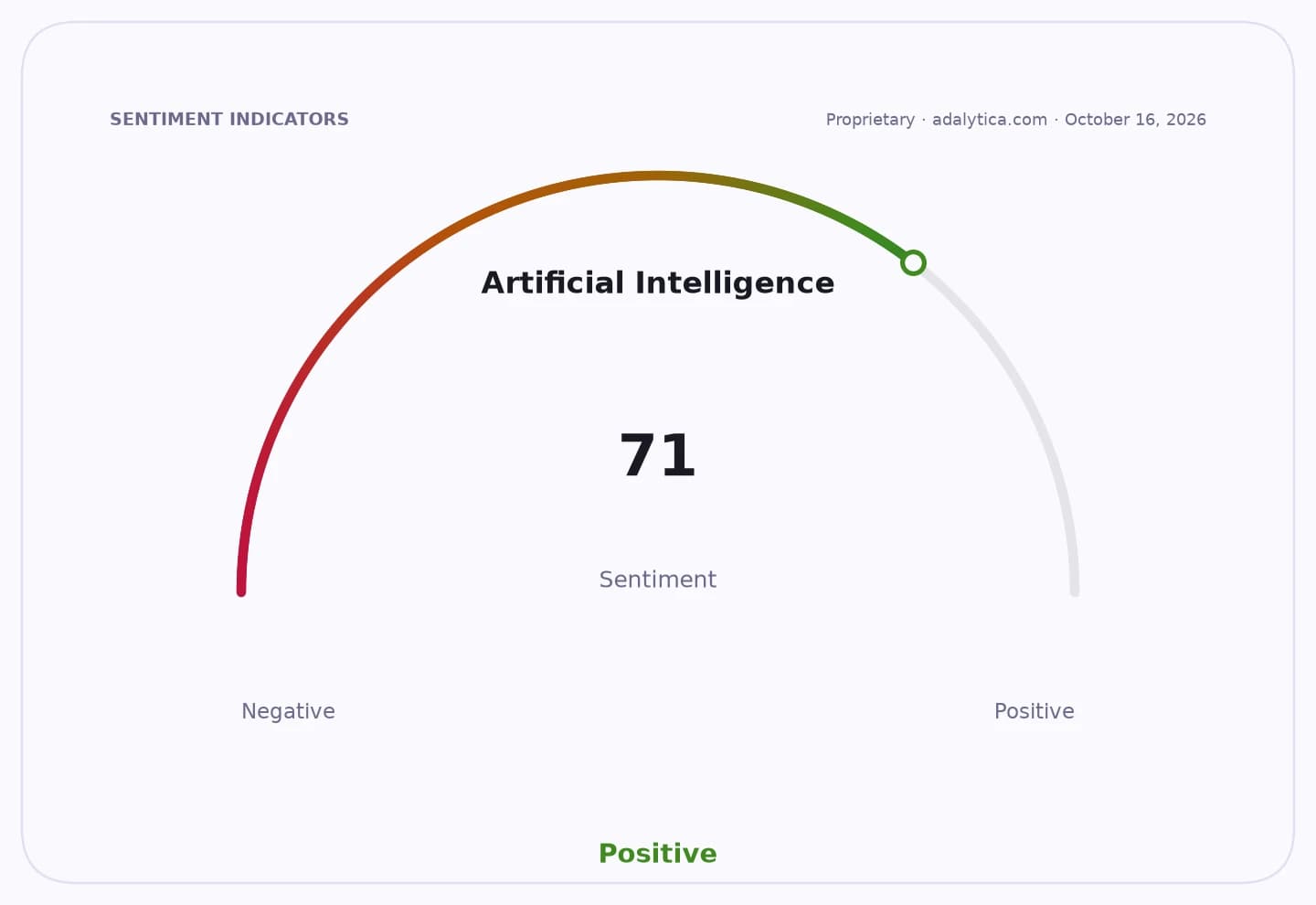
Sentiment IndicatorsⓘProprietary · adalytica.com · October 16, 2026
This is a snapshot — live sentiment, awareness and momentum for 130+ markets update continuously in the dashboard.Open AlphaPulse
The summit comes as the broader market remains fixated on AI spending and the companies that can capture it. Qualcomm shares have climbed sharply this year, with the stock recently trading above its 50-day and 200-day moving averages even after a pullback, a sign that investors continue to reward firms tied to AI-enabled connectivity and mobile silicon. Qualcomm’s latest technical readings still show elevated momentum by conventional indicators, underscoring how much optimism remains around the theme.
Samsung’s pitch also lands in a market where investors are trying to separate real product cycles from marketing around AI. Nvidia’s stock, another barometer of the trade, has eased from its highs and is now below its 50-day average, but remains well above longer-term levels. That reflects a broader recalibration: the AI story is no longer only about graphics processors and server racks, but about who controls the surrounding ecosystem, from advanced packaging to wireless standards.
For Samsung, the strategic prize is 6G. If the company can secure an early position in standards-setting and reference designs, it could benefit when carriers and device makers begin the long replacement cycle for 5G-era equipment. That would also strengthen Samsung’s bargaining power in smartphones, tablets and connected devices, where modem performance and network efficiency increasingly shape product differentiation.
The bear case is that such summits can overstate near-term revenue potential. Standards work takes years, and the commercial pay-off depends on carriers, regulators and rivals moving in tandem. Samsung also faces competition from Qualcomm, Apple’s in-house silicon efforts, and a wider set of Asian and US chip suppliers that are chasing the same connectivity and edge-AI opportunity.
Still, the message from Silicon Valley is clear: Samsung wants to be counted among the architects of the AI hardware stack, not just one of its customers. Investors will be watching for concrete partnerships, design wins and evidence that its AI and 6G bets can translate into higher-margin business over the next product cycle.
| Entity | Gains | Losses |
|---|---|---|
| Samsung Electronics | ▲Early 6G/AI positioning | ▼Near-term monetization risk |
| Qualcomm | ▲Connectivity demand | ▼Competitive pressure |
| Nvidia | ▲AI infrastructure relevance | ▼Narrative broadening away from GPUs |
| Carriers/device makers | ▲Faster network roadmap | ▼Higher capex and standards uncertainty |