AI recommendations are changing how consumers shop, and that is forcing marketers to compete less for attention than for algorithmic selection.
AI shopping shifts power to platforms and clean data
At the center of the shift is a simple but economically important change in the path to purchase: consumers are increasingly using AI to search, compare and narrow options before they buy, meaning brands must now be legible to machines as well as persuasive to people. Le Quoc Vinh, chairman of CSMO Vietnam and Le Bros, told a briefing for the VSMCamp & CSMOSummit 2026 that marketing is moving from “the competition to be noticed” to “the competition to be chosen.”
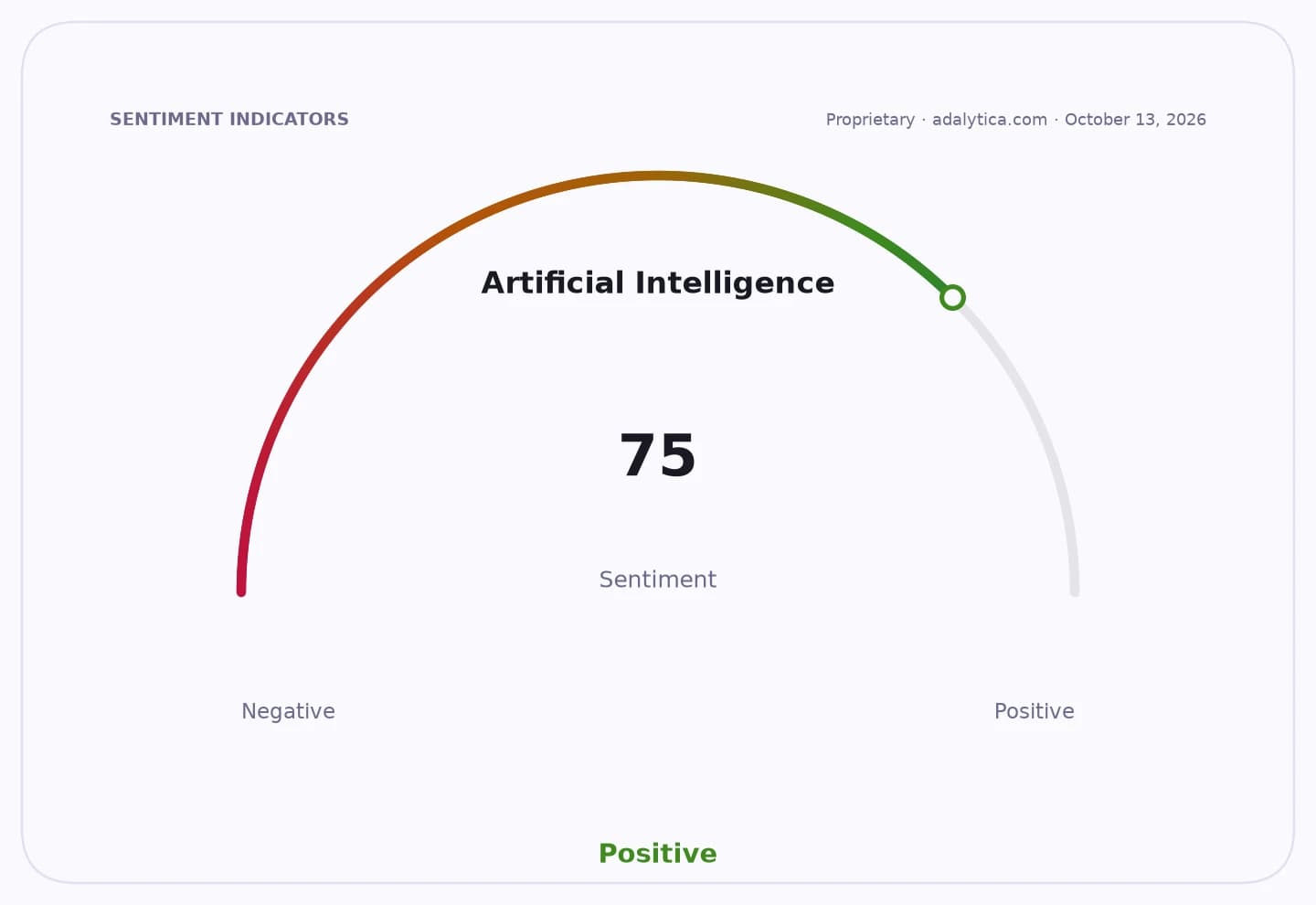
Sentiment IndicatorsⓘProprietary · adalytica.com · October 15, 2026
This is a snapshot — live sentiment, awareness and momentum for 130+ markets update continuously in the dashboard.Open AlphaPulse
That matters because the gatekeepers of demand are changing. In the past, sales and marketing were built around impressions, clicks and recall. As AI agents take a more active role in shopping, visibility alone is no longer enough. Companies must ensure their products are found, understood and recommended by AI systems that sift through hundreds of options on behalf of consumers.
The scale of that behavioral shift is already visible. A VML “Future Shopper 2026” report cited at the event found 82% of consumers use AI when shopping, 58% cross-check AI-generated product recommendations before buying and 46% have changed the brands they considered because of AI suggestions. Those figures suggest AI is no longer a niche discovery tool but an influence layer embedded in the buying journey.
For investors, the implication is that the economics of marketing are starting to tilt. Spending on performance marketing, search optimization and content generation still matters, but the return on those dollars increasingly depends on whether products are structured in a way AI systems can interpret. That should benefit platforms and software vendors that help brands organize data, automate personalization and surface relevant content, while pressuring companies whose product information is fragmented, inconsistent or hard for models to parse.
The change also helps explain why large internet and software groups have been leaning harder into AI. Alphabet, Meta and Amazon all sit near the center of the new funnel because their advertising and commerce businesses depend on how consumers discover products. Meta has said in its filings that it is working to improve ad systems and privacy-enhancing technologies, while Alphabet has centralized AI-related research and development around frontier models. Amazon, which also depends on product discovery, faces the same risk and opportunity as more shopping decisions are mediated by AI assistants.
The market backdrop reinforces why this matters now. Google parent Alphabet, Meta and Amazon have all traded as AI beneficiaries over the past year, though their shares have shown volatility as investors weigh heavy AI spending against eventual monetization. Recent price action shows the market is still rewarding firms seen as essential to AI-driven discovery, even as it questions who captures the margin. Alphabet closed at $347.38 on Oct. 15, above its 200-day moving average, while Meta ended at $732.99, also above its 200-day average after a sharp run earlier in the quarter. Amazon finished at $253.69, close to its 50-day average.
The bull case is that AI agents make commerce more efficient, improve conversion and lower customer-acquisition costs for brands that adapt quickly. If AI becomes the first filter in shopping, firms with clean product data, strong reviews and consistent messaging could win share without relying as much on expensive paid traffic.
The bear case is that AI concentrates power in the platforms that control search, recommendation and interfaces. That could make brand loyalty weaker, reduce direct traffic to merchants and raise the cost of staying visible inside AI systems. It also introduces a new dependency: companies may have to optimize not just for customers, but for the models that influence them.
The next test will be whether sales teams, ad-tech vendors and consumer brands can retool around AI-driven discovery fast enough to protect conversion rates. Investors should watch for changes in digital ad efficiency, e-commerce referral traffic and demand for tools that structure product data for generative AI.
| Entity | Gains | Losses |
|---|---|---|
| AI platforms | ▲More influence over shopping | ▼Legacy brand gatekeepers |
| Consumer brands with clean data | ▲Higher recommendation odds | ▼Firms with poor product data |
| Meta, Alphabet, Amazon | ▲New monetization routes | ▼Click-dependent advertisers |
| Traditional search and performance marketing | ▲Faster AI-assisted conversion | ▼Traffic-driven business models |