Consumer advertising is moving from a branding problem to a market-integrity problem, as regulators increasingly target “cloud-like” claims that can be drafted by brands, amplified by celebrities, and redistributed by platforms faster than consumers can verify them.
Vietnam ad crackdown raises platform compliance costs

The economic issue is not just inflated promises. It is the breakdown of accountability in a digital ad chain where liability can be fragmented across advertisers, agencies, influencers and platforms, allowing misleading claims to generate revenue while the cost of remediation remains low. That structure rewards speed over substantiation and leaves consumers bearing the loss when products do not match the pitch.
Sentiment Indicators
The message from the Vietnamese policy debate is that bigger fines alone will not fix the problem. Authorities are being pushed toward a broader enforcement model built around quicker detection, stronger evidence requirements, the ability to block repeat publication, and mechanisms to claw back unlawful gains and compensate buyers. In other words, the focus is shifting from punishing isolated posts to rebuilding discipline across the whole advertising supply chain.
That matters economically because advertising is not just a communications expense; it is a market mechanism that helps firms allocate demand. If trust in claims erodes, efficient advertising becomes harder to distinguish from fraud, and serious businesses get dragged into a race against operators willing to overstate efficacy. The most exposed categories are health supplements, cosmetics, weight-loss products and other goods sold with quasi-medical promises, where the gap between marketing and evidence can quickly become a consumer-protection issue.
For investors, the implications extend beyond local enforcement. Large digital ad platforms, social networks and commerce intermediaries face growing compliance costs, more data-retention obligations and greater pressure to verify who is paying for ads and who is responsible for the claims. That raises the bar for monetization models that depend on frictionless distribution, including influencer marketing and AI-generated celebrity likenesses, where rights management and disclosure standards are likely to tighten.
The risk for ad-heavy companies is twofold: higher regulatory friction and lower conversion efficiency if consumers become more skeptical of sponsored content. Meta, Google and Amazon are already signaling through their filings that ad performance and targeting can be hit by regulation, privacy rules and platform changes. A crackdown on misleading promotions would add another layer of scrutiny to a sector that still depends on trust to justify premium ad pricing.
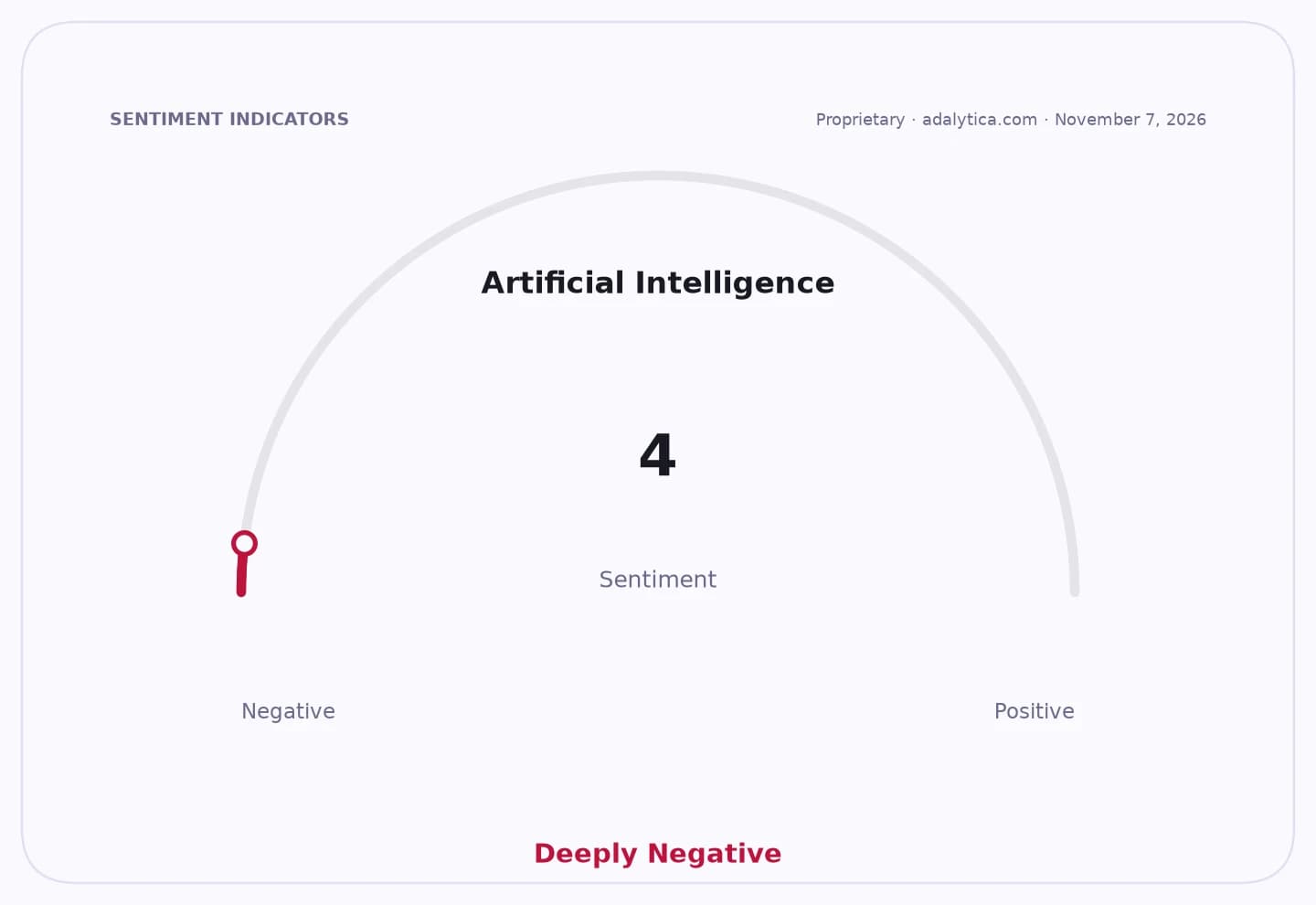
There is also a macro consumer angle. Adalytica’s Consumer Spending Sentiment reading shows extreme fear at 18, suggesting households are already cautious. In that environment, any erosion of confidence in product claims can hurt discretionary demand further, especially in categories bought on impulse or through livestream selling. By contrast, clearer disclosure and better enforcement could benefit reputable brands by reducing the discount consumers implicitly demand when they suspect exaggeration.
The bear case is that enforcement becomes mostly symbolic: more takedowns, more headline fines and limited change in behavior. The bull case is that regulators succeed in making false claims harder to distribute, easier to trace and more expensive to repeat, which would improve market efficiency and reward companies that can substantiate what they sell. For investors, the key catalyst is whether authorities move from isolated penalties to a system that changes incentives across advertisers, creators and platforms.
| Entity | Gains | Losses |
|---|---|---|
| Reputable brands | ▲Fairer competition | ▼Less room for rivals to misstate claims |
| Digital platforms | ▲Clearer compliance rules | ▼Higher monitoring and data costs |
| Influencers/affiliate sellers | ▲Legitimate paid endorsements | ▼Exposure to liability and disclosure rules |
| Consumers | ▲Better disclosure and recourse | ▼Fewer impulsive “too good to be true” buys |