Mio has stopped selling a popular pillow after a protest over a quote from a Swedish hymn, underscoring how fast consumer brands can be forced to retreat when cultural or copyright disputes spill into the public eye.
Mio stops selling pillow after hymn dispute
The furniture chain will continue selling through existing stock but says it has ended future sales of the product after author and songwriter Ingemar Olsson objected to the use of the line “Du vet väl om att du är värdefull” on the pillow. Olsson said the phrase comes from a 1978 hymn and argued that once a work starts generating money, copyright protections apply.
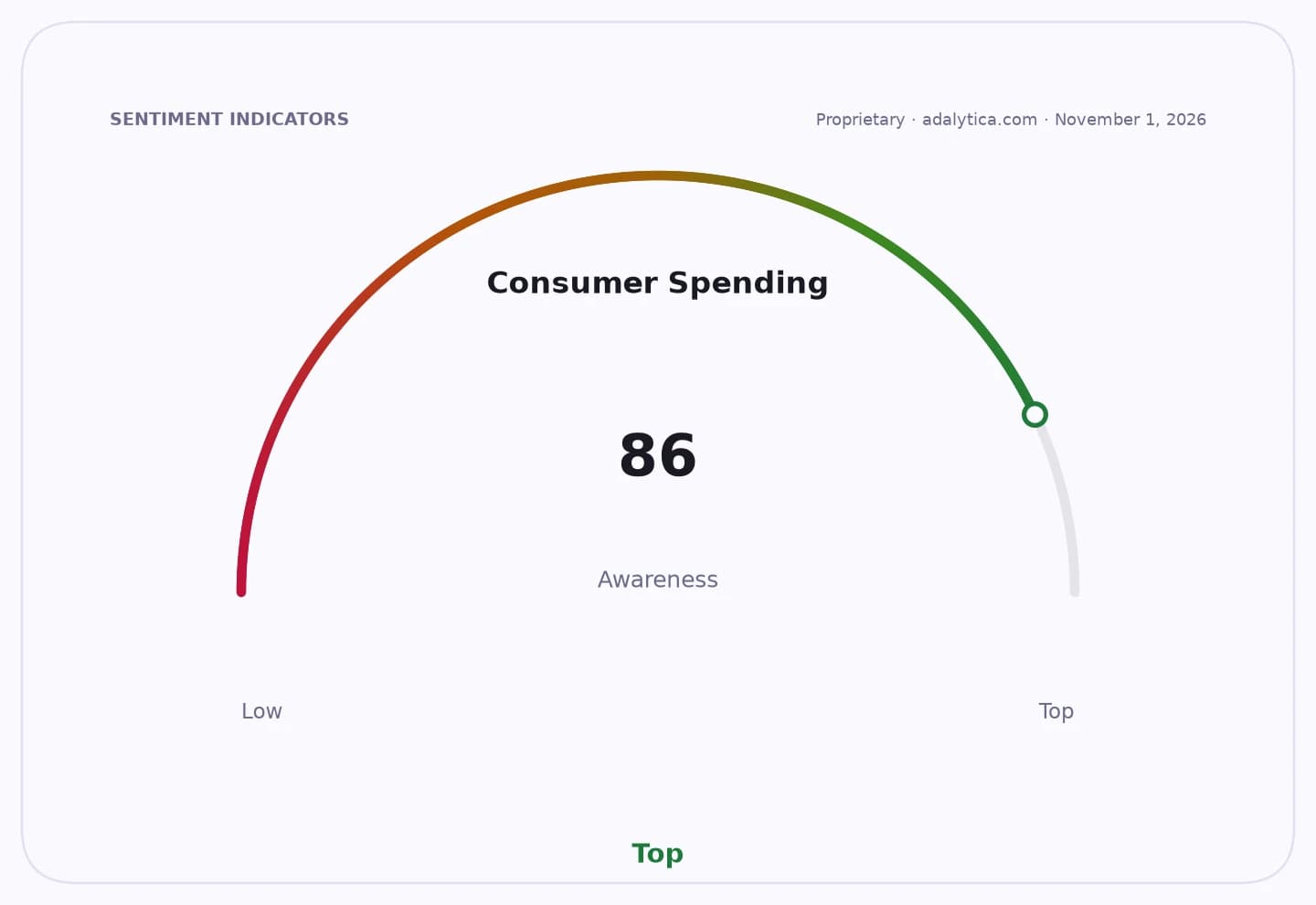
Sentiment Indicators
Mio said in a written response that it was confident short lines of text are not protected by copyright, whether or not they are song titles, but chose to stop selling the pillow as a “goodwill” measure after contacting Olsson. That compromise limits immediate commercial disruption, but it also shows the reputational cost of fighting a rights dispute over what is likely a relatively low-value homeware item.
The broader economic relevance is modest in absolute terms, but the case matters for retailers because it highlights a familiar risk in the consumer goods business: margins on decorative products can be erased quickly if a design choice triggers legal pressure, licensing claims or a backlash from creators. For a retailer, the cost of pulling a product is often far greater in management time, brand damage and inventory friction than in the direct revenue lost on a single item.
For investors, the issue is less about Mio’s sales than about the operating discipline of consumer-facing chains in a tougher retail environment. When demand is uneven and shoppers are selective, brands rely more heavily on differentiation, lifestyle marketing and private-label products. That can improve pricing power, but it also increases exposure to disputes over wording, artwork and intellectual property. Companies that move quickly to de-risk those conflicts may protect the brand; those that dig in can face escalation at little gain.
The case also lands at a time when consumer sentiment remains sensitive even as spending moods have improved in some markets. In that environment, retailers cannot afford avoidable controversy around products that rely on emotional appeal or cultural references. The commercial lesson is straightforward: even a small household item can become a liability if its marketing collides with rights holders or public opinion.
For Mio, the immediate damage appears limited because only remaining inventory will be sold. But the longer-term question is whether the company tightens its product approval process and licensing checks to avoid similar disputes. For investors, that will matter more than the pillow itself.
| Entity | Gains | Losses |
|---|---|---|
| Mio | ▲Limits legal and reputational risk | ▼Forfeits sales of the pillow |
| Ingemar Olsson / rights holders | ▲Leverage in copyright dispute | ▼No immediate payout reported |
| Consumers | ▲Avoids a contentious product | ▼Lose access to the item |
| Mio’s brand | ▲Shows responsiveness | ▼Faces publicity from the dispute |