Uniqlo’s smooth cotton crewneck sweater is getting repeat purchases and unusually loyal reviews, underscoring how a well-priced basic can still drive demand in a cautious consumer market.
Uniqlo cotton sweater drives repeat purchases
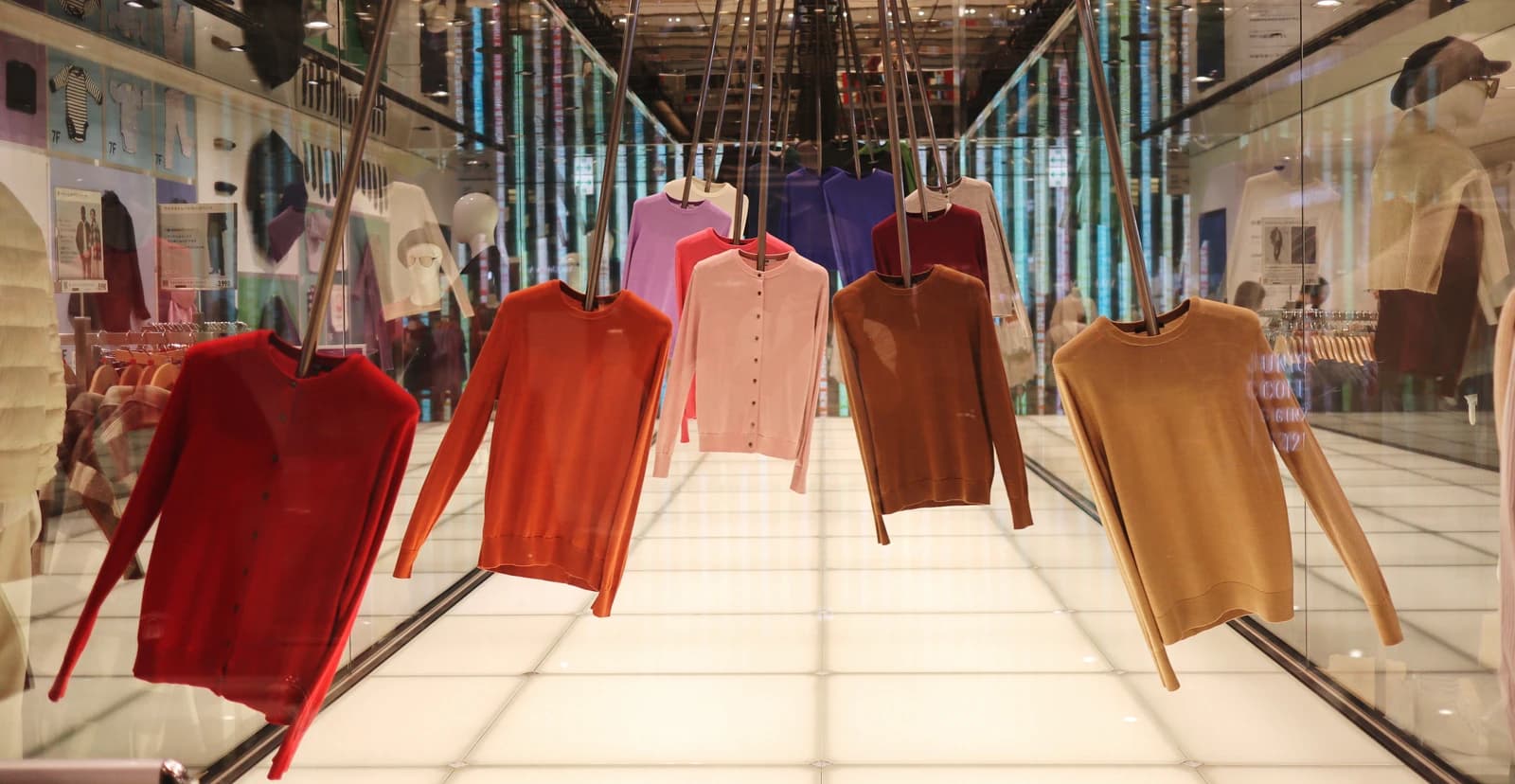
The appeal is straightforward: a 100% cotton knit with a relaxed fit, sweatshirt-inspired design and a price of 2,990 yen through Oct. 29. In a season when shoppers are looking for versatile layer pieces, the sweater is being presented not as a fashion gamble but as an everyday staple — the kind of item consumers buy in multiple colors and then repurchase the following year.
Sentiment Indicators
That matters economically because budget-conscious households are still rewarding brands that combine comfort, durability and low-ticket pricing. The customer comments highlighted in the article — including one buyer who said they added more colors after buying four last year — point to a demand pattern that is especially valuable in apparel: repeatable, not one-off, consumption. For retailers, that reduces reliance on markdown-driven traffic and suggests that basic knitwear can hold pricing power even when discretionary spending is uneven.
The story also speaks to a broader shift in apparel demand toward practical, low-friction purchases. The sweater sits in the sweet spot between loungewear and polished casualwear, letting Uniqlo sell function as well as style. That is the same formula that has helped other value-oriented chains win share from premium labels, especially when shoppers want wardrobe refreshes without trading up on price. A sold-out run is not the point here; steady velocity is.
Investor relevance is clearest in what the item says about the competitive landscape for global apparel retailers. Brands with strong private-label basics, efficient sourcing and broad size availability can extract more volume from a single style than trend-led rivals can from a faster-moving assortment. That is supportive for operators such as Fast Retailing, which owns Uniqlo, while pressuring higher-priced specialty chains that rely more heavily on aspirational spending. It also helps explain why off-price and value retailers such as TJX remain resilient: consumers are still prioritizing affordability and utility over novelty.
Still, the bullish case has limits. The popularity of one sweater does not guarantee category-wide strength, and a heavily promoted basic can become commoditized quickly if competitors copy the silhouette or price point. Margin pressure also remains a risk if retailers have to lean too hard on promotions to sustain traffic. But for now, the message from Uniqlo’s cotton sweater is clear: in a soft consumer environment, the simplest products can still do the heaviest lifting.
| Entity | Gains | Losses |
|---|---|---|
| Uniqlo/Fast Retailing | ▲Repeat demand for basics | ▼Fashion rivals |
| Value-focused shoppers | ▲Comfortable low-price staple | ▼Premium apparel buyers |
| TJX and off-price chains | ▲Validation of bargain-seeking demand | ▼High-end specialty retailers |
| Consumers in cautious markets | ▲More wardrobe utility per yen | ▼Brands reliant on premium pricing |