Courtney Adeleye turned a $500 kitchen-table experiment into a $100 million haircare brand, and that is exactly the kind of growth story the beauty market keeps rewarding: founder-led, digitally native and fast enough to scale into Walmart, Target and a reported $61.5 million exit.
The Mane Choice sale and Watch & Sea Beauty growth
The Mane Choice’s rise matters because it exposed a structural shift in beauty retail. Consumers — especially in textured haircare and wellness-adjacent categories like supplements — are increasingly buying from brands that feel personal, solve a specific problem and build trust online before they ever reach a shelf. That model lets a small company bypass some of the old marketing spend and still win national distribution, which is why retailers keep making room for emerging brands that can drive traffic and basket size.
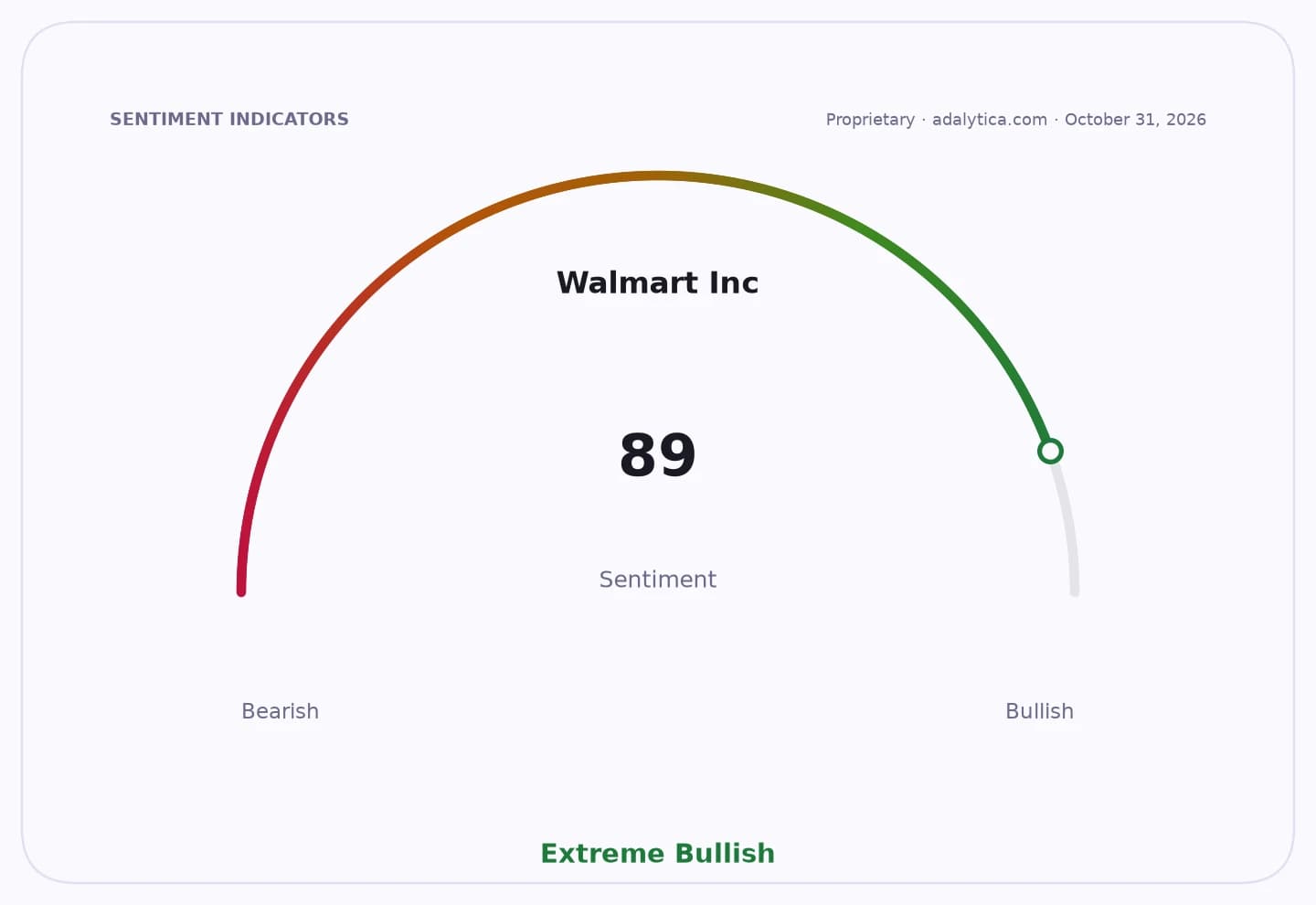
Sentiment Indicators
Adeleye’s path is the kind of asymmetric opportunity investors should watch. She did not start with outside capital, which meant she could reinvest early cash flow, keep ownership and move only as demand justified it. The brand’s jump from a deep conditioner to supplements proved especially important. The supplement line did not just add revenue; it deepened customer loyalty and broadened the business beyond a single hair product. For a retailer, that means higher repeat purchase potential. For a buyer, it means a brand with more than one growth lever.
The 60,000-store reach before the acquisition is also the real story. Distribution at that scale is hard to build, and even harder for newer brands to replicate without a proven consumer pull. Walmart and Target are not simply stocking products; they are outsourcing discovery to brands that can bring their own audience. That is why founder brands with authentic communities remain such valuable targets for strategic buyers. MAV Beauty Brands paid a reported $61.5 million for a company that had already validated demand, and that transaction underlines how the market values execution, not just concept.
The setup today is even bigger than The Mane Choice. The same channels that helped Adeleye build her first company now support her new venture, Watch & Sea Beauty, which entered 200 Target stores in 2025. That matters because it shows the shelf-door economics are still open for brands that can prove velocity and consumer relevance. In other words, the playbook is repeatable — and that is where investors should focus.
The investable lesson is not just that one entrepreneur succeeded. It is that beauty remains one of the clearest hunting grounds for brands that can start small, scale quickly and become acquisition candidates once they prove retail traction. The winners are the retailers that keep feeding this ecosystem, the strategic buyers that need fresh growth, and the founders who can turn community into cash flow. The losers are legacy brands that still think advertising alone can buy loyalty.
For investors, the implication is simple: look past the headline exit and pay attention to the infrastructure around it — Walmart, Target and established beauty platforms that can monetize emerging brands, plus suppliers and peers positioned to benefit from the next wave of founder-led rollups. That is where the next asymmetry likely sits.
| Entity | Gains | Losses |
|---|---|---|
| Walmart | ▲Fresh traffic-driving brands | ▼Slower legacy beauty labels |
| Target | ▲Exclusive-feeling shelf draw | ▼Commodity haircare players |
| MAV Beauty Brands | ▲Proven growth asset | ▼Buyers overpaying for weak brands |
| Legacy beauty incumbents | ▲— | ▼Share of wallet to founder brands |