A cheaper cordless vacuum is winning shoppers away from Dyson because consumers still want premium cleaning power, but they want it at a price that feels practical.
Amazon and Best Buy Benefit as Buyers Trade Down
That matters far beyond one gadget review. It points to a familiar but important retail truth: in a softer consumer environment, buyers trade down to value when the performance gap is narrow enough, and that can reshape demand across Amazon, Best Buy and the home-products aisle. For investors, the story is less about one vacuum than about which companies can keep selling “good enough” innovation without forcing customers to pay luxury-brand prices.
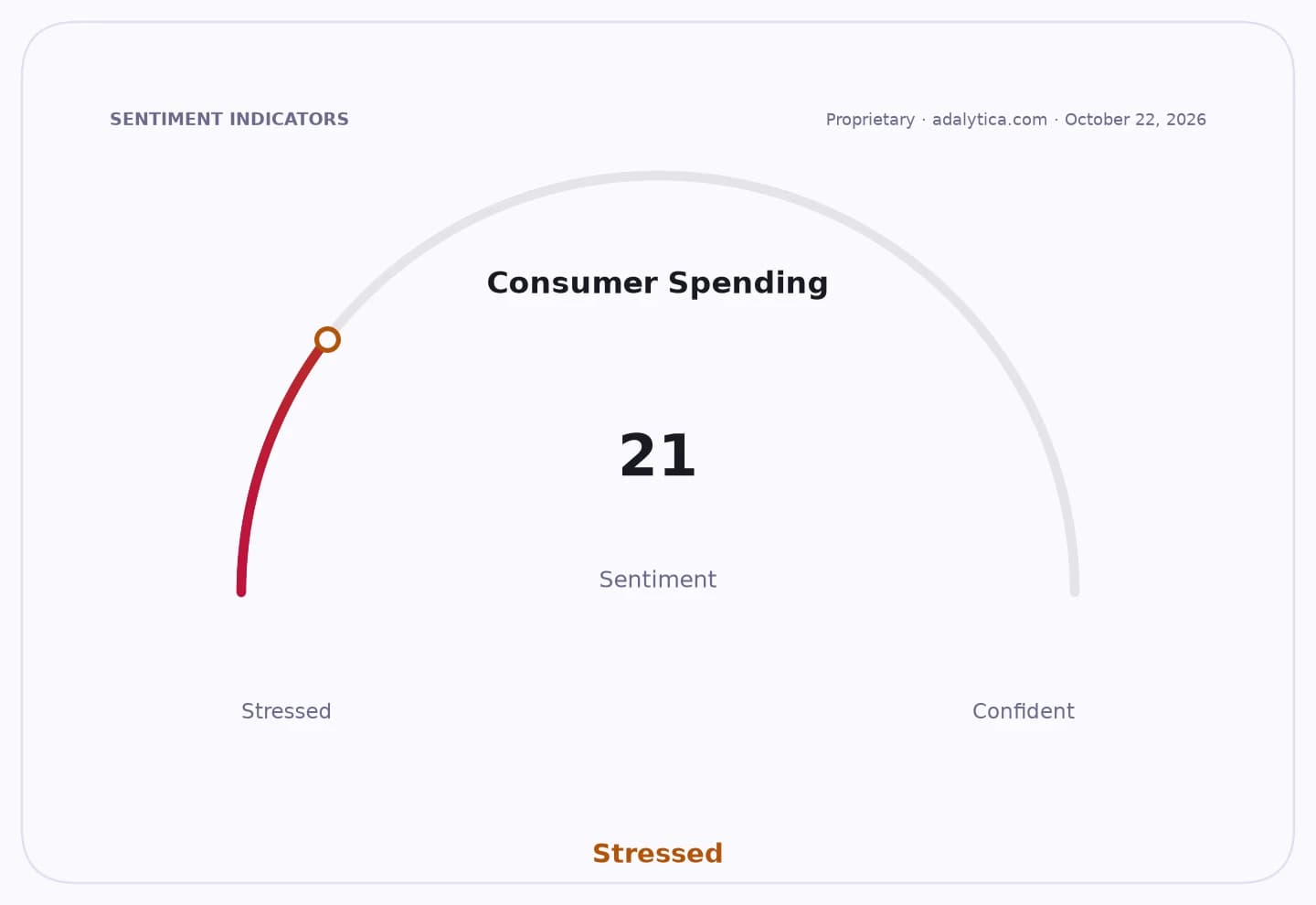
The backdrop in markets also fits the same theme. Adalytica’s S&P 500 Trade Signals show extreme fear, a sign that investors are still cautious and likely to reward companies with resilient demand, repeat purchases and clear value propositions. In that kind of climate, a “workhorse” product can outperform a prestige name because it hits the sweet spot between utility and affordability.
That is exactly the lane where cordless vacuums have become one of the more durable household categories. The latest models promise stronger suction, better edge cleaning and easier maintenance, while also solving the old complaints about weight, repair costs and inconvenience. Consumers dealing with pet hair, dust and everyday messes are increasingly willing to skip the premium badge if a lower-priced model gets the job done.
For Amazon, that’s good news in a different way: broad selection and aggressive pricing tend to help the marketplace win the sale, even when the brand on the box changes. Amazon shares have been volatile, but the stock still reflects a company built to capture practical purchasing behavior. If shoppers keep favoring value-driven home products, Amazon remains one of the clearest beneficiaries of that shift.
Best Buy can also gain when consumers are in comparison-shopping mode. A vacuum that sells on features and discounts, rather than brand cachet alone, plays to the retailer’s strengths in product discovery and promotion. Best Buy’s stock has surged this year, and while electronics remain its core business, investors should not ignore how home appliances and small appliances can support traffic when consumers are hunting for deals.
The loser, at least in the short term, is the premium-priced incumbent that has to justify its markup with a better experience. Dyson still has brand power, but the rise of capable alternatives suggests that differentiation now has to come from real performance, not just recognition. That is the kind of competitive pressure that can eventually flatten margins in premium consumer appliances.
For long-term investors, this is a small but useful reminder: durable businesses often win not by selling the most expensive product, but by offering the best value per dollar spent. In an uncertain economy, that matters. The companies that can bundle convenience, performance and affordability are the ones most likely to keep compounding over time. Worth watching.
| Entity | Gains | Losses |
|---|---|---|
| Amazon | ▲Marketplace volume | ▼Premium-brand pricing power |
| Best Buy | ▲Deal-driven traffic | ▼Niche premium sellers |
| Value vacuum brands | ▲More conversions | ▼Less price sensitivity for Dyson |
| Dyson | ▲None | ▼Share to cheaper rivals |