AI-powered washing machines are moving from novelty to practical upgrade just as monsoon weather makes laundry harder, but the real investment story is that smarter appliances are becoming a small, steady part of a much bigger fight for share in a weak global washing machine market.
Whirlpool sales fall as smart washers gain traction
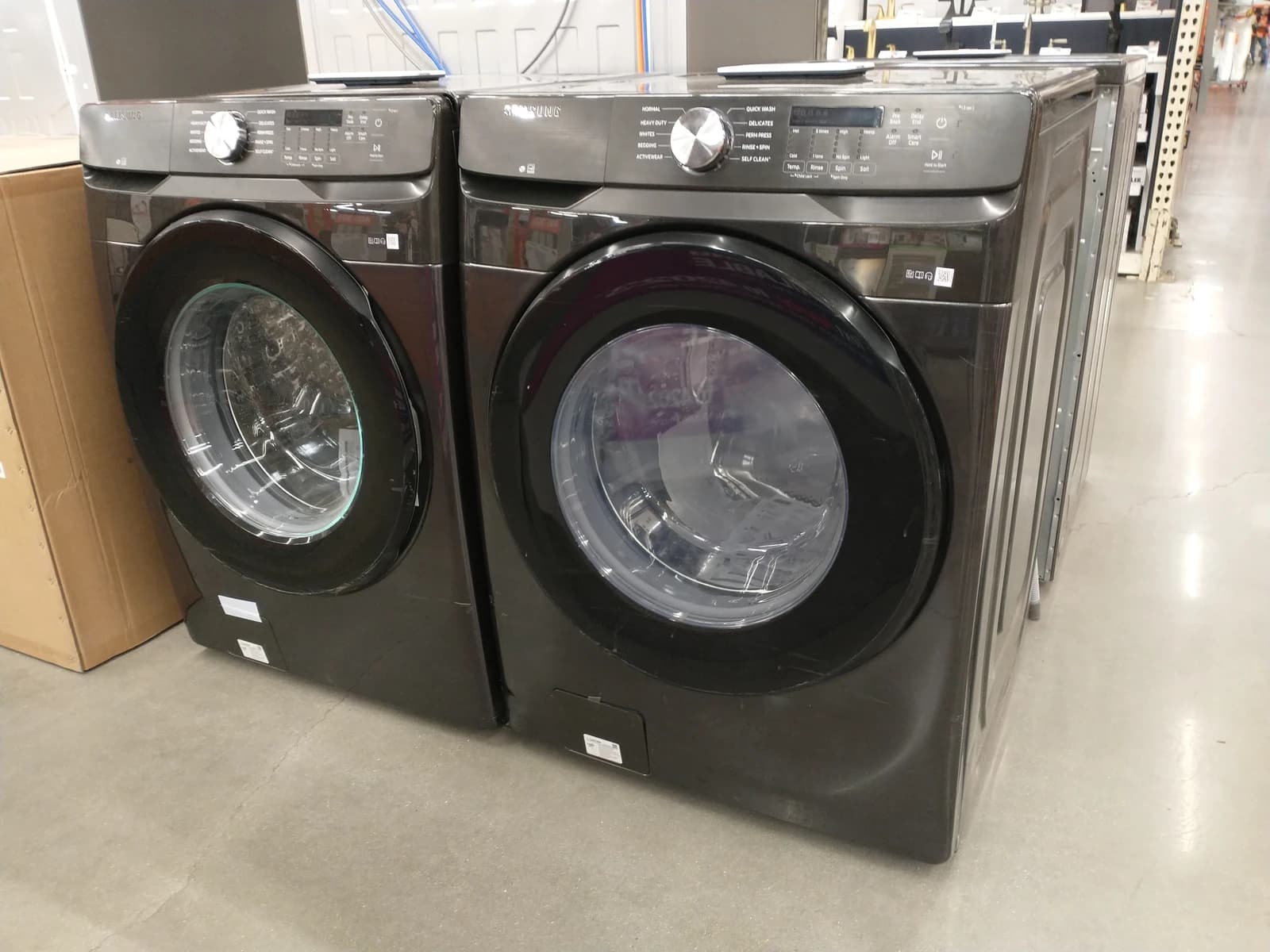
For shoppers, the pitch is straightforward: sensors that adjust water, detergent and cycle time can make laundry more convenient, more hygienic and, in some cases, more efficient. For companies like Whirlpool, Samsung, LG, Haier and IFB, that matters because premium features are one of the few ways to defend pricing and margins when demand is soft and consumers are stretching purchases over longer replacement cycles.
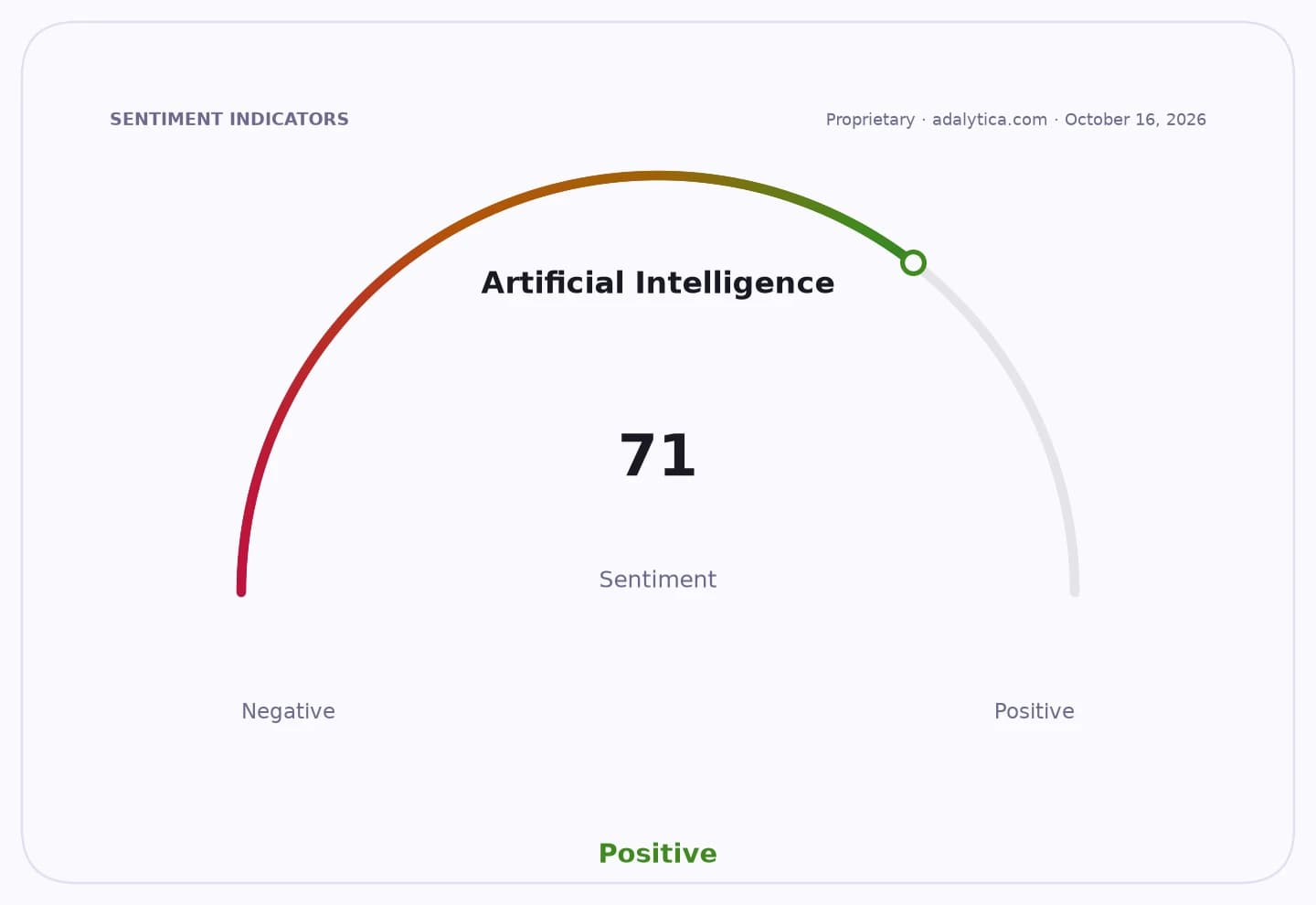
Sentiment IndicatorsⓘProprietary · adalytica.com · October 22, 2026
This is a snapshot — live sentiment, awareness and momentum for 130+ markets update continuously in the dashboard.Open AlphaPulse
Whirlpool’s latest filings show why the backdrop matters. North American net sales fell 1.5% in the second quarter and 4.5% in the first half of 2026 as industry demand stayed subdued. That is the kind of weakness that makes product differentiation important. At the same time, its stock has been highly volatile, sliding from above $100 in August to below $30 this month, while conventional technical indicators such as the 50-day and 200-day moving averages remain above the share price — a sign the market is still cautious on the recovery.
Against that backdrop, the product list reads less like gadget marketing and more like a map of where appliance companies are trying to go. Samsung is leaning on EcoBubble, AI wash modes and Hygiene Steam. Haier is pushing smart wash algorithms and a hygiene-focused cycle. IFB is using AI to detect fabric type and load weight. LG is combining load sensing with steam and smart connectivity. These are not just bells and whistles; they are attempts to justify higher price points and build stickier relationships with customers who increasingly expect connected, automated appliances.
The monsoon angle helps explain why these features are resonating now. In humid weather, faster spin speeds, steam programs and hygiene cycles can be genuinely useful, especially in large households. That makes the category more than a niche for tech enthusiasts. It is becoming a mainstream “worth paying for” upgrade, particularly in markets where weather, power costs and water use all shape buying decisions.
Investors should also keep the longer cycle in mind. Appliance demand is not a high-growth AI story like chips or cloud software, but it is a steady compounding story when brands can raise average selling prices, improve efficiency and reduce service headaches. Whirlpool’s challenge is that global competitors are also chasing the same premium features. Samsung and LG, in particular, have scale, brand power and connected-device ecosystems that can make it harder for incumbents to win on plain hardware alone.
The long-term takeaway is simple: AI in washing machines will not transform the sector overnight, but it is a real product trend with real margin implications. For shoppers, these models can make sense if the features match household needs. For investors, the more important question is which companies can turn smarter appliances into durable pricing power. Whirlpool is still worth watching, but this is a market where patience and selectivity matter.
| Entity | Gains | Losses |
|---|---|---|
| AI washing machine buyers | ▲Easier, more hygienic laundry | ▼Higher upfront cost |
| Whirlpool and peers | ▲Premium pricing opportunities | ▼Margin pressure from weak demand |
| Samsung, LG, Haier, IFB | ▲Differentiation through smart features | ▼Compressed value if features disappoint |
| Traditional washers | ▲Lower appeal | ▼Share to smart appliances |