Rising prices are now hitting one of Donald Trump’s most visible consumer brands, with the cost of a red MAGA cap climbing to $55 from $25 a decade ago as stubborn inflation and higher gas prices keep squeezing American households.
Trump MAGA hats rise to $55 amid inflation
The jump underscores how inflation is filtering into even politically branded merchandise, turning what was once a campaign accessory into a pricier status symbol for loyal supporters. The broader backdrop matters for retailers and consumers alike: US inflation has stayed elevated, and voters remain sour enough that only a minority say Trump has delivered on the economy.
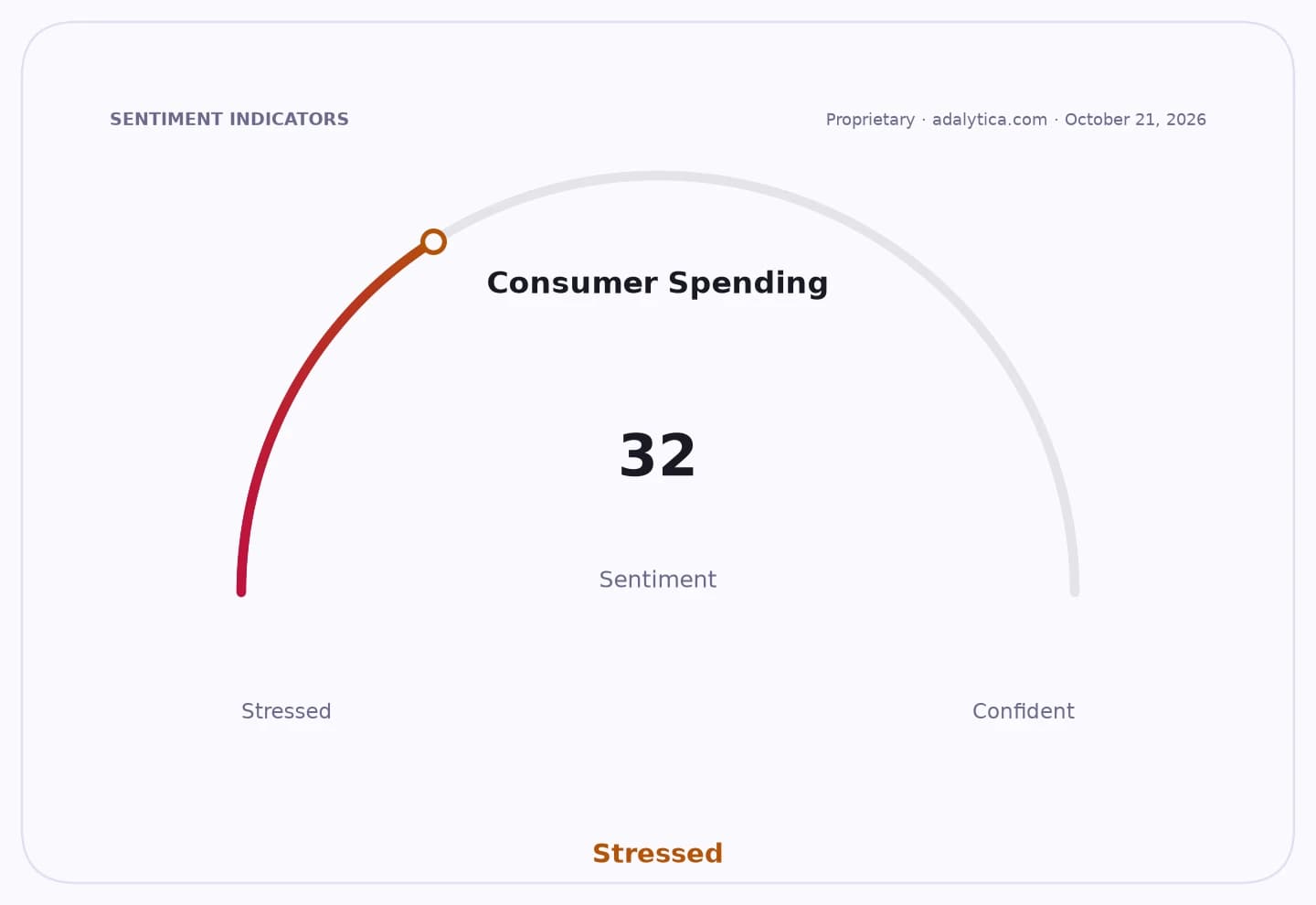
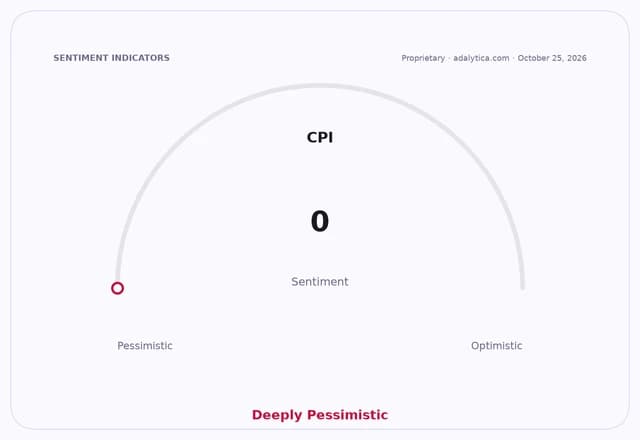
Sentiment IndicatorsⓘProprietary · adalytica.com · October 25, 2026
This is a snapshot — live sentiment, awareness and momentum for 130+ markets update continuously in the dashboard.Open AlphaPulse
A survey of archived Trump merchandise webpages found the iconic hat sold for $40 during the 2024 election and now carries a $55 tag, a 120% increase from the first campaign. Other Trump-branded products have risen even faster, with Victory 47 perfume and cologne now listed at $249 from an initial $99 launch price, while gold and silver medallions have become more expensive as precious-metal costs move.
The pricing comes as Trump’s approval rating sits at 33%, according to the Washington Post/ABC News/Ipsos poll cited in the report, and 37% of the public would rather see a Democrat running the economy. That is a problem for a brand built on political identity as much as apparel, because the merchandise depends on consumers who are willing to pay up for allegiance rather than utility.
Investor relevance is less about the hats themselves than the signal they send about discretionary spending, brand power and political fatigue. If supporters are becoming less willing to pay premium prices, that could matter for Trump-linked retail channels and for any company exposed to the same wallet pressure from higher commodity and consumer prices.
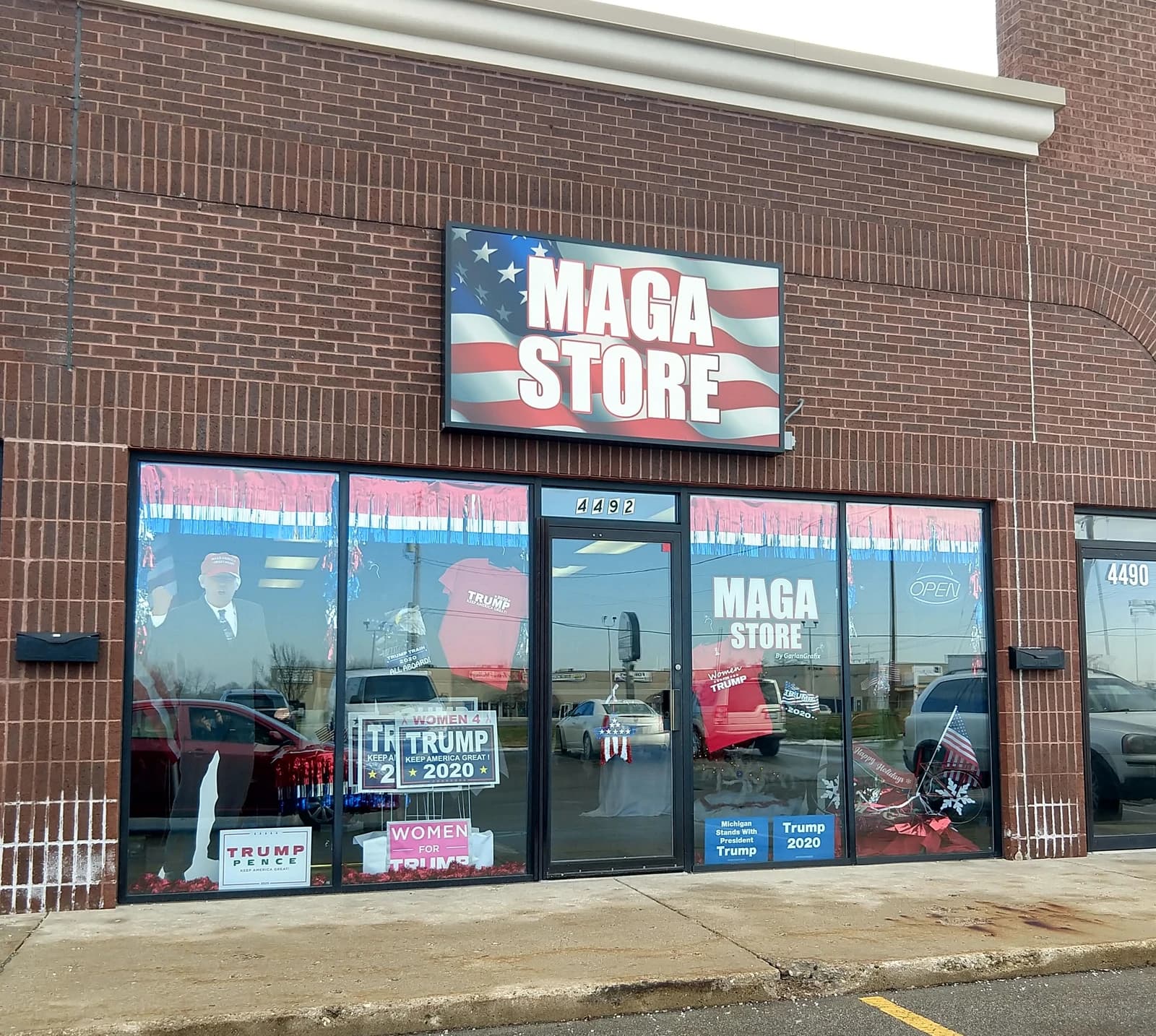
There are already signs of strain in the niche Trump-merch market, including a Knoxville superstore that shut after shoppers stayed away even with 50% discounts and a similar Virginia store owner complaining the economy was “not worth a c* anymore.” The next test for the broader retail backdrop will be holiday demand, where merchants are still expecting roughly $1 trillion in sales but are leaning on inflation-driven price gains to help keep revenue growing.
| Entity | Gains | Losses |
|---|---|---|
| Trump merchandise sellers | ▲Higher sticker prices | ▼Softer volume if fans balk |
| Trump loyalists | ▲Status/identity signaling | ▼More expensive apparel and gifts |
| Broad retailers | ▲Inflation-supported sales growth | ▼Margin pressure from cautious shoppers |
| Value-focused consumers | ▲Lower-priced alternatives | ▼Premium branded merch purchases |