Turkey’s consumer federation is warning shoppers to treat November sales campaigns with caution as fake discounts, cloned retail websites and misleading price claims threaten to turn the country’s biggest shopping period into a fraud trap.
Turkey November Sales Warning on Fake Discounts
Consumer Spending
The warning matters because November promotions drive a large share of online retail spending, and any surge in deceptive pricing or impersonation scams can erode consumer trust, distort competition and siphon sales toward bad actors just as households are hunting for bargains. For investors, the issue cuts across e-commerce platforms, payment providers and major retailers that depend on traffic and conversion during the holiday shopping season.
Sentiment Indicators
TÜKONFED Vice Chairman Ibrahim Gullu said campaigns branded as “Legendary November,” “Great Friday,” “Black Friday,” “last chance” and “70% off” can lure consumers into purchases that are not as cheap as they appear. He said some merchants raise prices before promotions, hide stock or time limits, or present incomplete conditions that make advertised discounts look larger than they are.
The group’s warning reflects a broader risk for online commerce: price transparency is becoming as important as price itself. Consumers are being urged to compare pre-sale prices, check pricing histories and verify whether delivery fees or mandatory add-ons alter the true cost of the product. Gullu also advised shoppers not to rely on large-font discount claims alone, noting that a product labeled as 50%, 60% or 70% off may not actually be cheaper than elsewhere.
The fraud risk is not limited to misleading promotions. Gullu said scammers often imitate well-known brands’ websites and use implausibly low prices to pull shoppers into fake checkout pages. He urged consumers to inspect domain names carefully for subtle misspellings or extra words, verify the seller’s legal name and address, and avoid links distributed through social media ads when possible. He also warned against sellers who push payments to bank accounts or unclear IBAN numbers.
For online marketplaces and retailers, the stakes are commercial as much as regulatory. Fraud and fake discounts can reduce repeat purchasing, increase chargebacks and invite closer scrutiny from consumer authorities. Amazon, Shopify and Walmart have all faced growing pressure in recent filings and market commentary around counterfeit activity, unlawful seller behavior and platform trust, underscoring how fraud prevention has become part of the cost of doing business online.
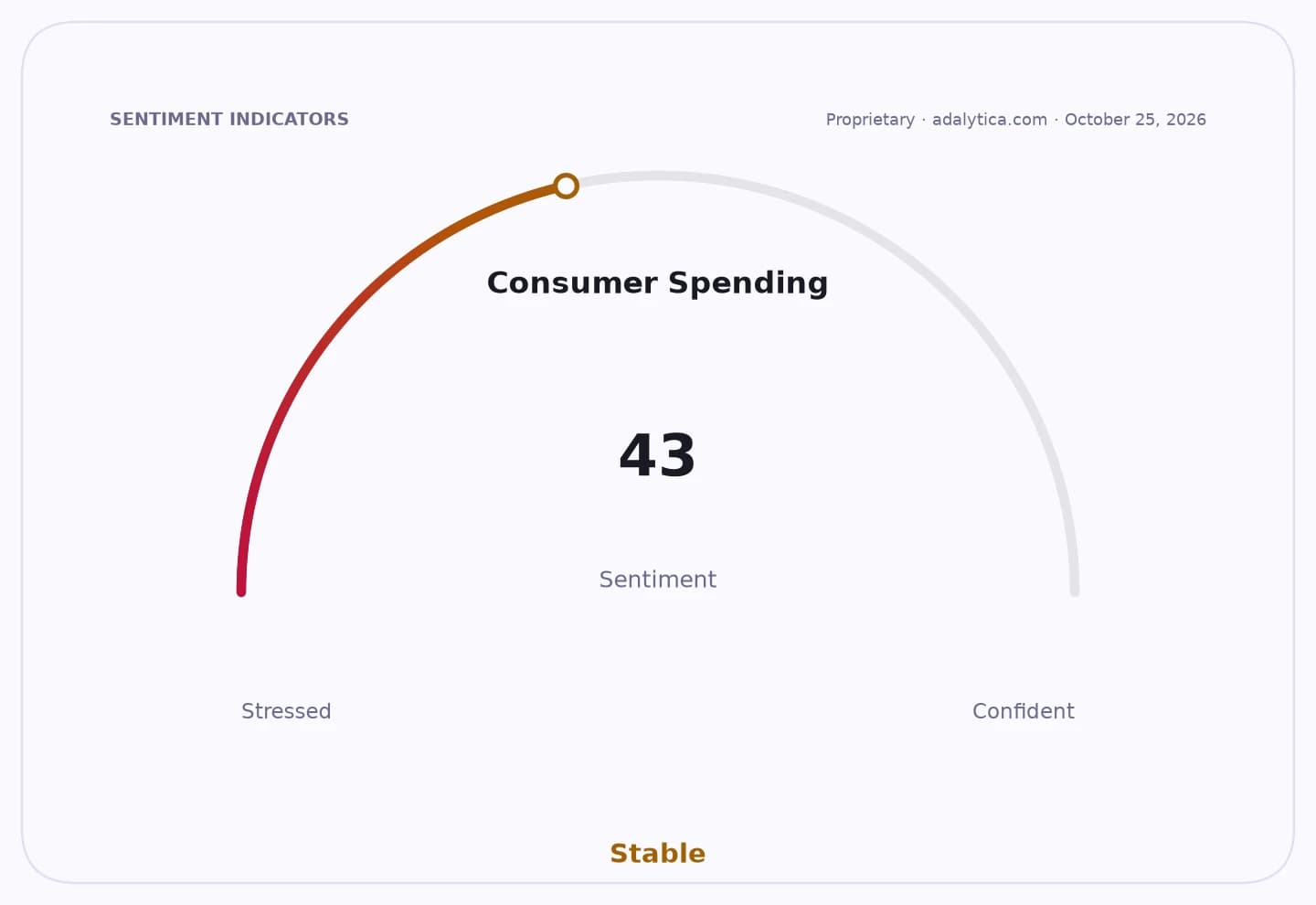
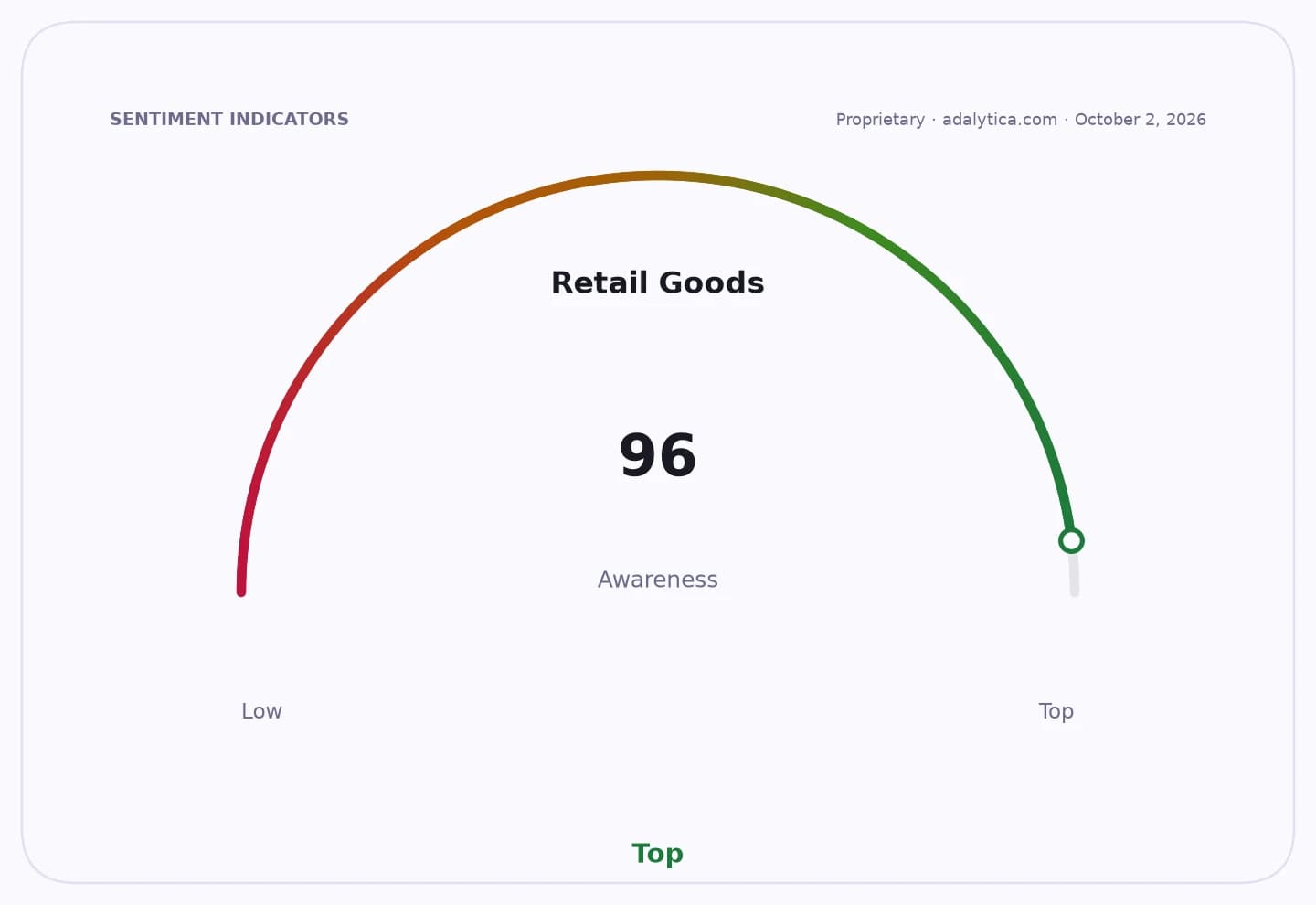
The market backdrop is still favorable for retail spending, with Adalytica’s consumer spending sentiment at 96, or “Extreme Greed,” and retail sales sentiment at 98, also “Extreme Greed,” suggesting strong appetite for holiday purchases. But high intent also means high exposure: when demand is elevated, so is the opportunity for fraudulent sellers to capture impulsive buyers.
For investors, the key question is whether the November sales season produces clean volume growth for legitimate platforms and brands, or a heavier mix of scams, discounts and reputational noise. Stronger merchant verification, safer payment rails and tighter enforcement would favor established platforms; persistent fraud would hurt consumer confidence and could pressure conversion rates, especially for marketplaces that rely on third-party sellers.
| Entity | Gains | Losses |
|---|---|---|
| Legitimate retailers | ▲Higher trust, cleaner sales | ▼Fake discount competition |
| E-commerce platforms | ▲Safer checkout, better retention | ▼Chargebacks and reputational risk |
| Consumers | ▲Better price transparency | ▼Fraud losses and false savings |
| Scammers and fake sites | ▲Short-term illicit gains | ▼Crackdowns and takedowns |