State Bank of India has warned customers that calling bank helpline numbers found through internet searches can lead to fraud, underscoring how online impersonation has become a material threat to retail banking and payments in India.
SBI warns customers on fake helpline fraud

The warning matters because fraud no longer depends on a customer clicking a malicious link; in many cases, it begins with a seemingly routine search for customer support. That raises the stakes for banks, which are being pushed to do more than reimburse losses after the fact and instead prove they exercised due diligence in preventing scams. In a system as large as SBI’s, even a modest rise in successful impersonation attempts can translate into meaningful financial losses, higher complaint volumes and reputational damage.
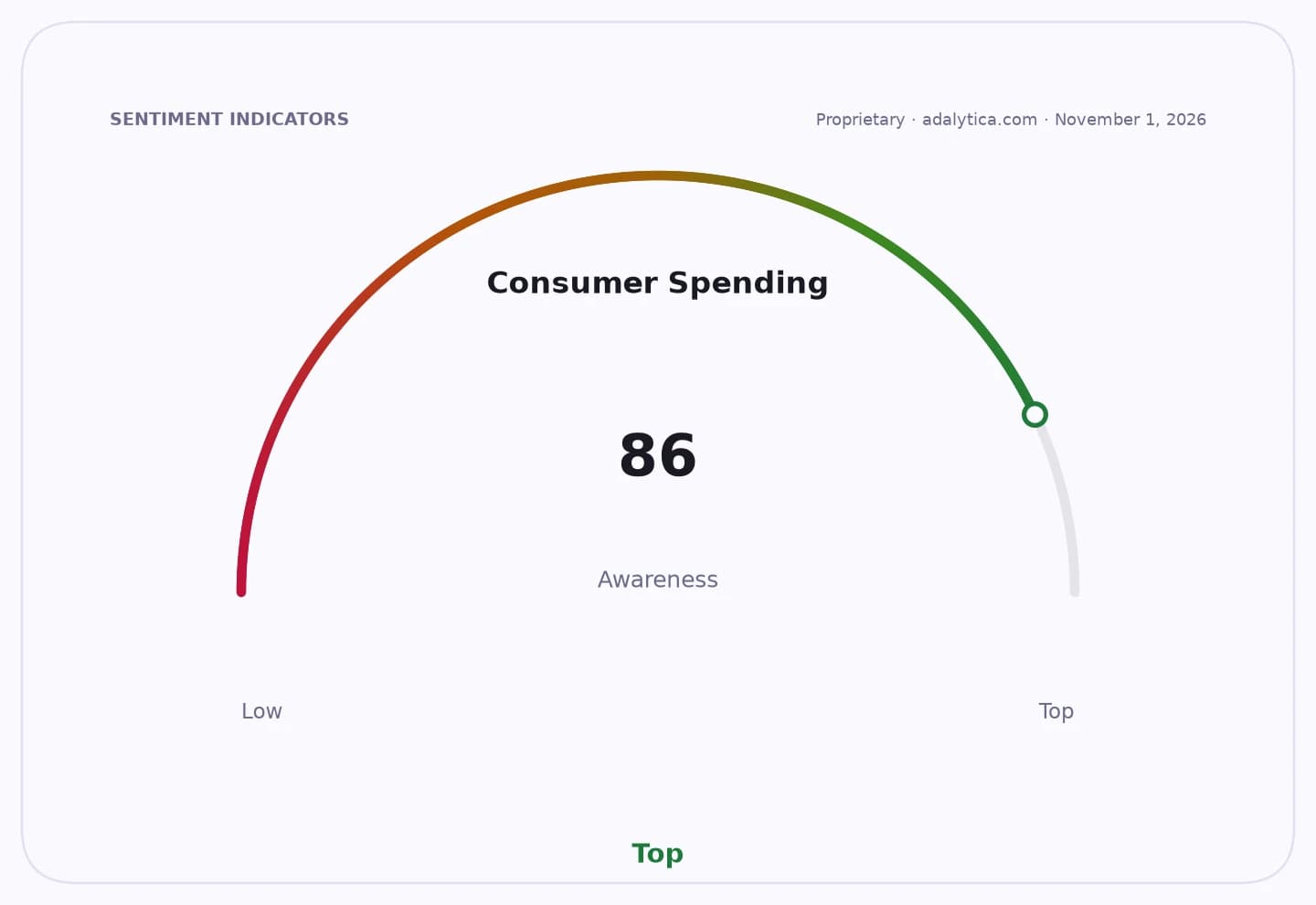
Sentiment Indicators
The issue comes amid a broader escalation in digital fraud, including fake bank employees, spoofed call centres and other phishing-style schemes that exploit trust in familiar brands. India’s Supreme Court has already made clear that banks may have to compensate victims when they fail to take adequate precautions, shifting more of the burden onto lenders to tighten controls, verify customer touchpoints and educate users. That makes fraud prevention not just a compliance issue but a balance-sheet and earnings risk.
For SBI and its peers, the practical response is likely to include stronger customer-warning campaigns, tighter monitoring of search-engine abuse and broader use of AI-driven fraud detection tools. The more important investor takeaway is that operating costs may rise as banks spend more on security, while the downside from weak controls now includes legal liability, higher reserves and slower trust-driven growth in digital banking.
The longer-term narrative is straightforward: as banking activity moves further online, the first line of defence is no longer the branch or the call centre, but the customer’s ability to distinguish a real bank channel from a fake one. Banks that control that interface best are likely to retain trust and limit losses; those that do not could face rising fraud-related drag even if transaction volumes keep growing.
| Entity | Gains | Losses |
|---|---|---|
| SBI and Indian banks with strong controls | ▲Better trust, lower fraud losses | ▼Higher compliance and tech costs |
| Fraud victims and consumers | ▲More warnings and protections | ▼Greater exposure if they ignore official channels |
| Regulators and courts | ▲Stronger accountability framework | ▼Pressure to enforce standards |
| Scammers and impersonators | ▲— | ▼Tighter detection and fewer successful attacks |