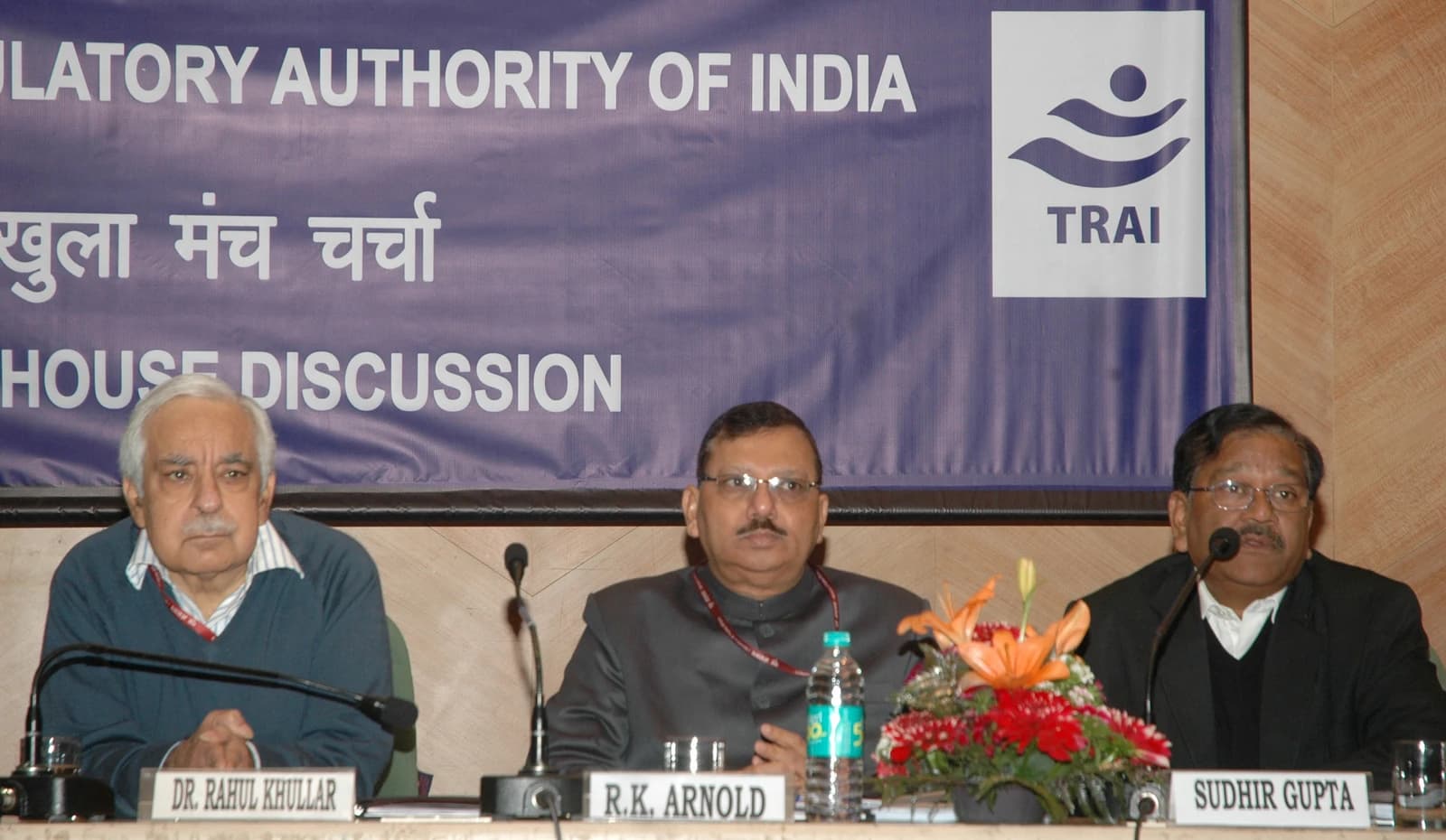
India’s telecom regulator will require all mobile operators to show the registered name of callers on handsets from Nov. 1, a nationwide move that could make anonymous calls far harder and reshape how consumers, businesses and fraudsters use the country’s mobile network.
India telecom regulator to require caller name display
The Department of Telecommunications order makes caller identification free and KYC-verified across India, ending the patchwork of third-party caller ID apps and putting the burden on carriers to surface names from their own databases. For investors, the policy is less about telecom pricing than compliance costs, network integration and the potential to reduce phone-based scams that have become a persistent consumer-protection problem.
Sentiment IndicatorsⓘProprietary · adalytica.com · October 17, 2026
This is a snapshot — live sentiment, awareness and momentum for 130+ markets update continuously in the dashboard.Open AlphaPulse
International calls will be tagged “International,” while telemarketing firms must display names registered with the GST or Trade Marks Registry. Numbers enrolled in caller-line identification restriction will remain hidden, preserving a privacy carve-out even as the default shifts toward transparency.
The ruling also underscores a broader push by Indian authorities to tighten digital identity controls across communications networks. That may benefit legitimate brands and customers who want clearer identification, but it also raises the bar for carriers, which must implement the feature at scale ahead of the deadline.
The policy lands as telecom stocks remain under pressure in the U.S. and globally, with Verizon, AT&T and TDS all trading below their recent highs. The sector has already been sensitive to regulatory costs, pricing pressure and network spending, and the India mandate adds another example of governments using telecom infrastructure for consumer protection and compliance.
Investors will watch whether the rollout is smooth, whether carriers face any incremental operating expense, and whether the feature actually cuts fraud without creating new privacy or billing disputes. The first real test comes on Nov. 1, when the system is scheduled to go live nationwide.
| Entity | Gains | Losses |
|---|---|---|
| Consumers | ▲More caller transparency | ▼Less anonymous calling |
| Telecom carriers | ▲Lower fraud burden over time | ▼Compliance and rollout costs |
| Legitimate businesses | ▲Clearer brand identification | ▼Stricter caller registration rules |
| Scammers/robocallers | ▲None | ▼Harder to hide identity |