Vodafone Greece is betting that the next battleground in telecom is not just faster networks, but a better retail experience — and it is committing more than 15 million euros to prove it.
Vodafone Greece to spend over 15 million euros on stores
That matters because telecom growth is increasingly coming from customer retention, device upselling and higher-value service bundles, not just connectivity. Vodafone’s move to modernize more than 60 stores, expand its network of 265 points of sale and roll out AI-assisted personalized service from 2027 shows how operators are trying to turn stores into sales and support hubs rather than simple distribution counters. For investors, that is a clear sign the company is pushing harder to defend churn, lift average revenue per user and deepen customer relationships at a time when competition remains intense.
The centerpiece of the plan is a new flagship store at The Mall Athens, alongside a similar model at Golden Hall, which Vodafone is using as templates for a broader redesign. The company says the refurbishment program will continue for another two to two and a half years and will not reduce the number of outlets, meaning the strategy is about upgrading quality rather than trimming footprint.
That is economically important in a market where physical retail still drives device sales, contract renewals and add-on services. Vodafone is broadening the offer beyond smartphones and tablets to wearables, gaming, smart-home gear, laptops, televisions and child-safety devices, while also layering in insurance, screen protection and repairs. In other words, the stores are becoming higher-margin service engines, not just points of sale.
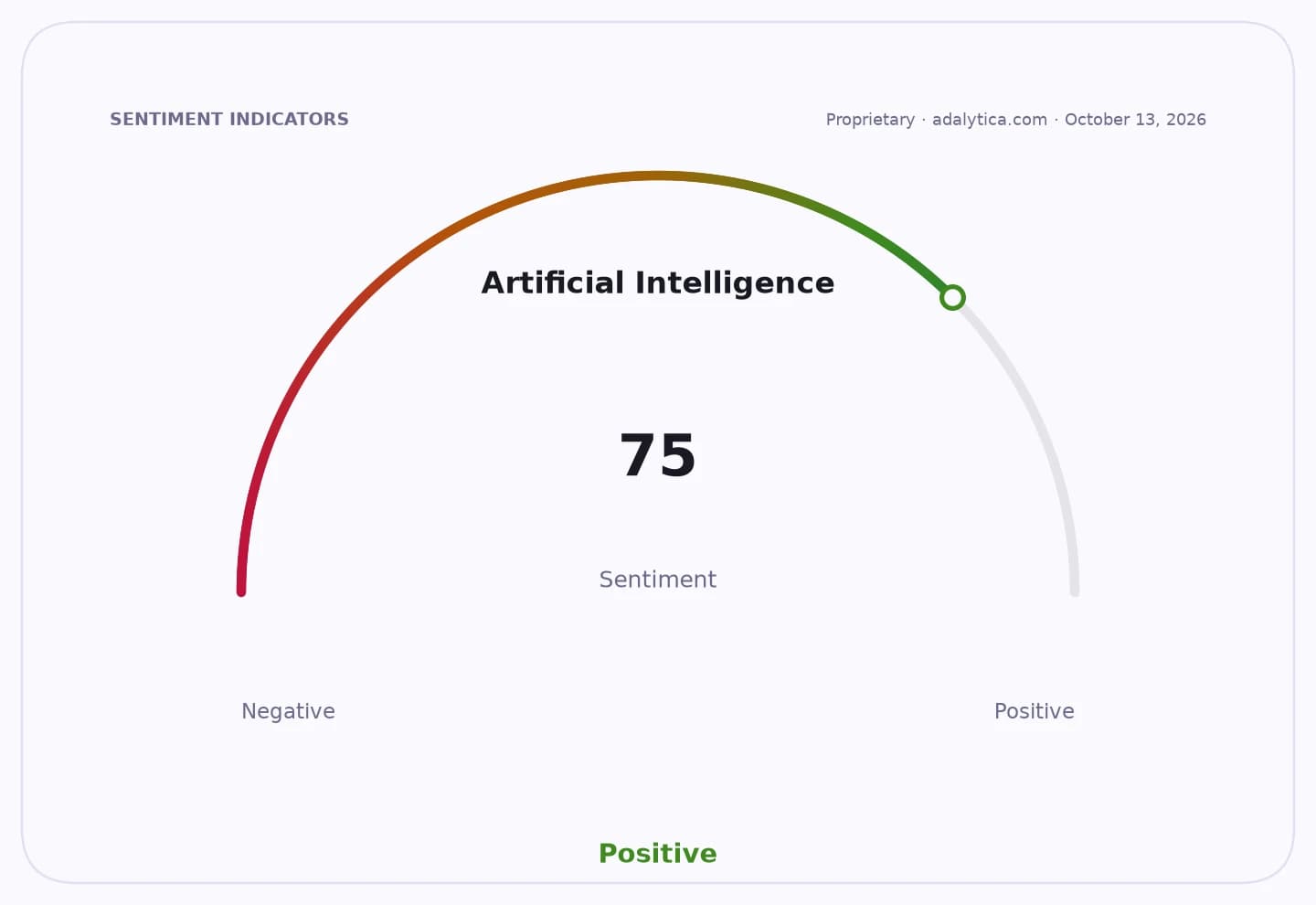
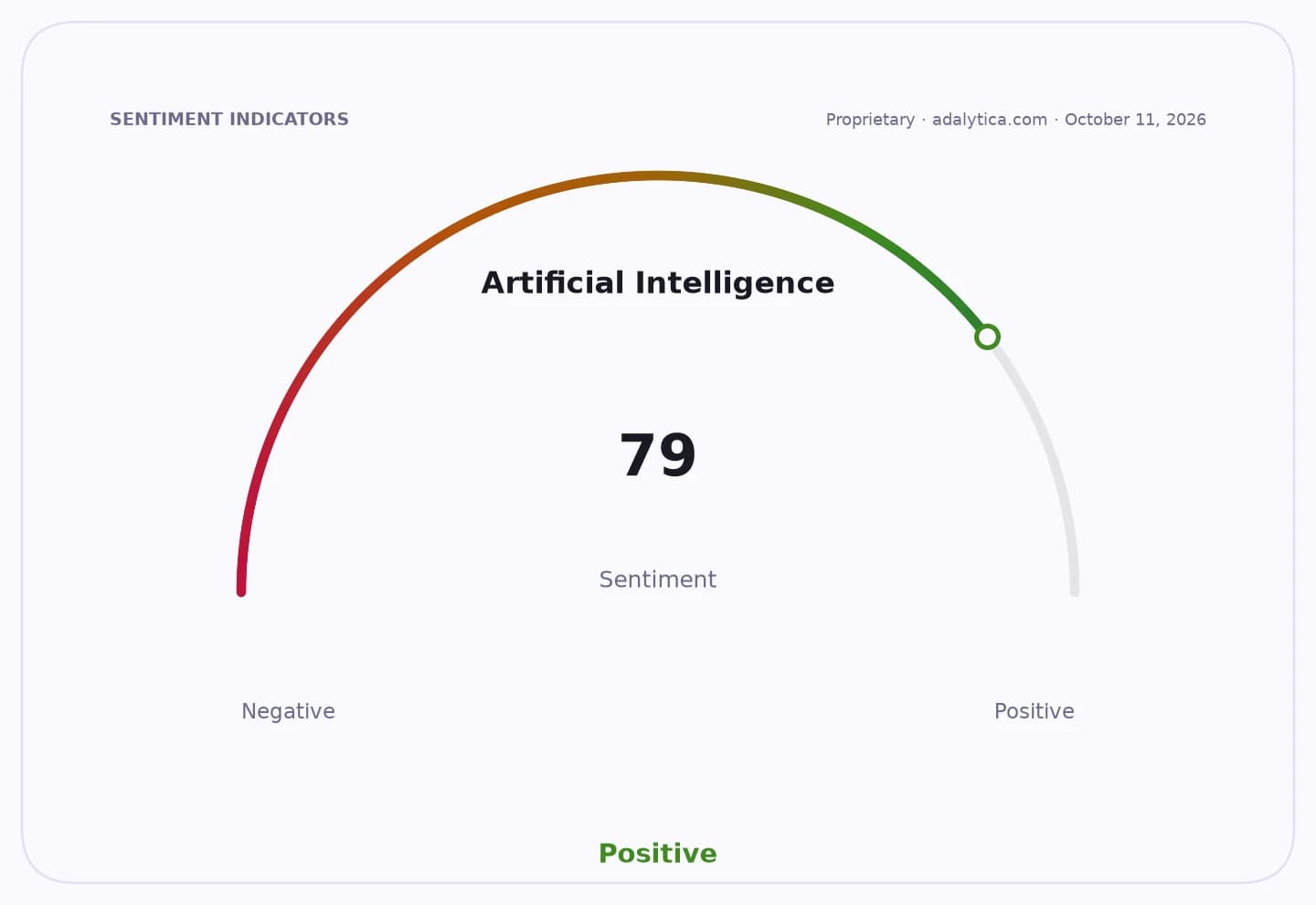
The next step is even more interesting. Vodafone plans to embed artificial intelligence in interactive in-store displays from early 2027, allowing customers to search products and receive personalized recommendations through a digital assistant. That is a classic margin play: automate part of the sales journey, improve conversion and free staff to focus on higher-value interactions. If executed well, it could become a model for how telecom retailers use AI to make physical stores relevant again.
The company is also upgrading network infrastructure inside the stores with SD-WAN that combines fiber and 5G, underscoring that digital reliability is now part of the retail promise. For a telecom operator, the store experience and the network are no longer separate businesses; they are one customer funnel.
The market is likely to view this as a steady, execution-driven investment rather than a near-term earnings catalyst, but that may be the wrong lens. Vodafone’s broader group has already pointed to strong commercial momentum and low churn after its UK merger, and Greece is now emerging as another test case for a more efficient, service-led retail model. If AI-supported selling lifts device attachment rates and customer satisfaction, the payoff could extend well beyond Greece.
For investors, the key takeaway is simple: Vodafone is using capital spending to defend pricing power and build a more resilient retail franchise. The companies that win the next phase of telecom will be the ones that turn every store visit into a data-driven, high-conversion relationship — and Vodafone is moving early.
| Entity | Gains | Losses |
|---|---|---|
| Vodafone Greece | ▲Higher ARPU potential | ▼Upfront capex burden |
| Customers | ▲Personalized service | ▼Less transactional retail |
| Competitors | ▲Less if Vodafone executes well | ▼Share in device and service sales |
| Store landlords / malls | ▲Traffic from flagship refreshes | ▼Risk if formats underperform |