Indian election authorities are facing fresh international scrutiny over the removal of roughly 13 crore names from draft voter rolls, after US lawmaker Pramila Jayapal linked the revisions to broader concerns about democratic backsliding and voting rights.
India voter roll deletions draw US lawmaker scrutiny
Her remarks matter because the controversy is no longer just an Indian domestic issue. When a prominent US member of Congress publicly compares India’s voter-list clean-up to efforts she says are weakening voting rights in the United States, the dispute shifts from an administrative exercise into a geopolitical and reputational risk. For New Delhi, that raises the political cost of the Special Intensive Revision process at a time when opposition parties, street protests and court intervention are already intensifying pressure on the Election Commission.
Sentiment IndicatorsⓘProprietary · adalytica.com · October 17, 2026
This is a snapshot — live sentiment, awareness and momentum for 130+ markets update continuously in the dashboard.Open AlphaPulse
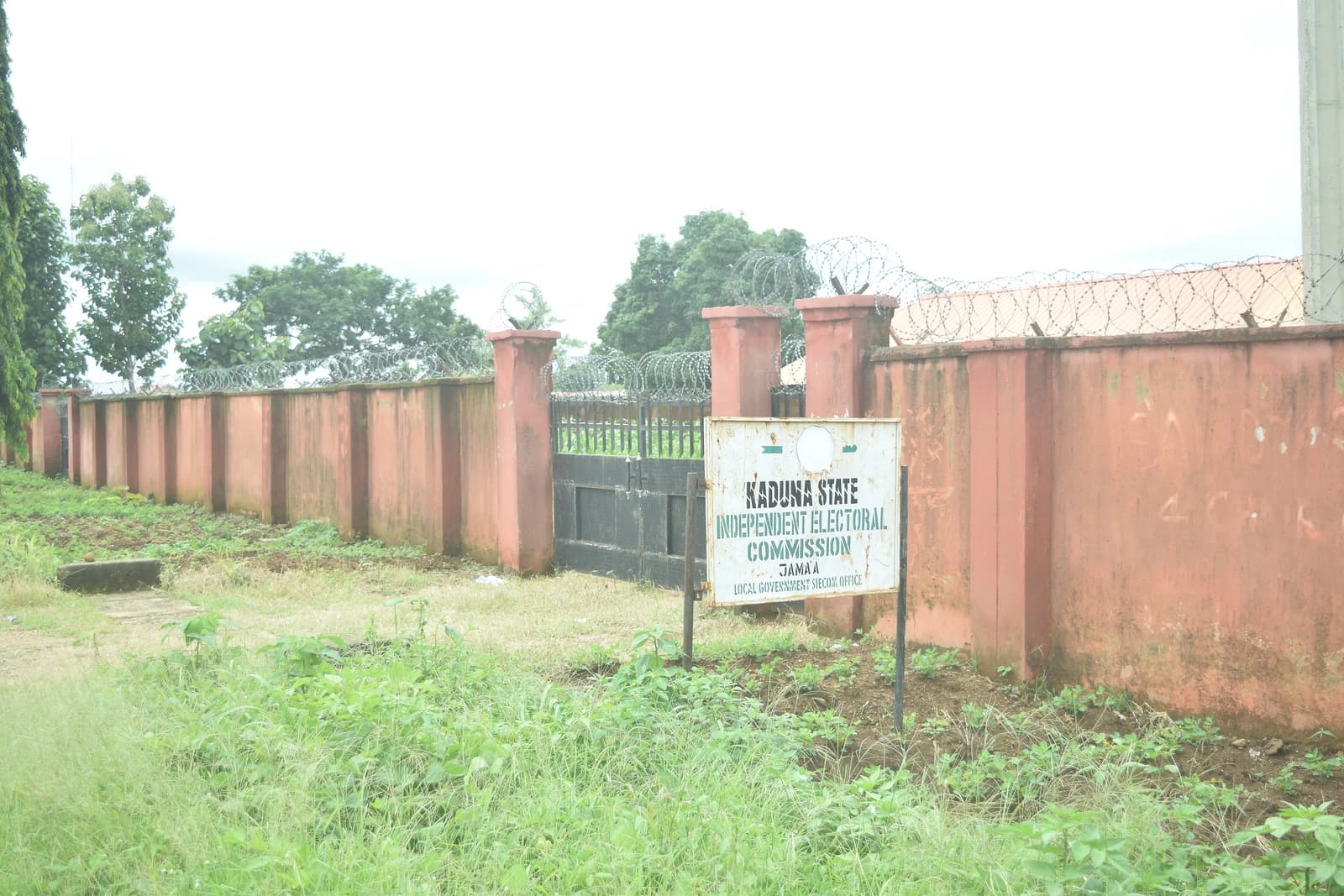
The immediate trigger is the scale of the deletions. Indian election data shared in the original reports show about 7.2 crore names were removed during the first two phases of the revision across 13 states and Union territories, while a third phase covering 18 states and Union territories removed another 6.16 crore names from draft rolls. The Election Commission says eligible voters can still apply through the claims-and-objections process or file Form 6 to restore their names. But the sheer magnitude has fuelled accusations that the process could suppress turnout, especially in politically sensitive states ahead of elections.
That is why the issue is resonating beyond India’s borders. The voter roll dispute is landing in the same week that the Supreme Court has issued notice to Chief Election Commissioner Gyanesh Kumar in related correction cases, while opposition leaders and protesters accuse authorities of manipulating lists in states such as Uttar Pradesh and Punjab. Jayapal’s intervention gives those claims an amplified international platform and could deepen pressure on Indian officials to demonstrate that the revisions are procedurally sound, transparent and non-discriminatory.
For investors, the main channel is not an immediate market shock but a political-risk premium. Questions over electoral integrity can affect policy continuity, legislative priorities and the broader investment climate, particularly in a country that markets itself as a rules-based alternative in global supply chains. If the controversy hardens into a sustained domestic and international rights dispute, it could complicate India’s efforts to court overseas capital, even if the near-term economic impact remains indirect.
There is also a market read-through for India-focused assets. The iShares MSCI India ETF has fallen to about $41.46 from recent levels near the low-40s, while the 50-day and 200-day moving averages point to a softer technical backdrop than earlier in the year. Broader risk appetite is fragile, with S&P 500 trade-signal data showing “Extreme Fear” in awareness readings, leaving investors less willing to ignore political noise in emerging markets. The rupee’s neutral trade-signal backdrop suggests the currency is not yet pricing a crisis, but the combination of legal friction, protest risk and foreign criticism can weigh on sentiment if it persists.
The bull case for the Election Commission is that the revision is a routine integrity exercise designed to clean up duplicate, outdated or ineligible entries in a sprawling electorate. The bear case is that the scale, timing and uneven regional impact create the appearance — if not the proof — of selective exclusion, especially when the country’s own opposition and now an American lawmaker are treating it as a democratic rights issue.
What happens next will depend on whether authorities can quickly restore confidence through transparent appeals, clearer disclosures and judicially accepted safeguards. If they cannot, the voter-list controversy could become less about one administrative process and more about the credibility of India’s electoral machinery heading into a politically charged election cycle.
| Entity | Gains | Losses |
|---|---|---|
| Election Commission | ▲Cleaner rolls if process is credible | ▼Trust if deletions look arbitrary |
| Opposition parties | ▲Political ammunition | ▼Electoral certainty if lists stand |
| US lawmakers critical of India | ▲Rights-focused platform | ▼Diplomatic restraint |
| India-focused investors | ▲Better clarity if dispute resolves | ▼Sentiment if controversy escalates |