Amazon and Flipkart are changing seller fees and penalties just as India’s festive shopping season approaches, squeezing third-party merchants while giving the two e-commerce leaders more control over marketplace economics.
Amazon, Flipkart Raise Seller Fees in India
The moves matter because the festive period is the biggest revenue window of the year for online retail in India, when higher traffic and aggressive discounting typically drive a large share of annual sales. Any increase in fees or stricter penalties can pressure seller margins, influence product pricing and shape how much inventory merchants are willing to list on the platforms.
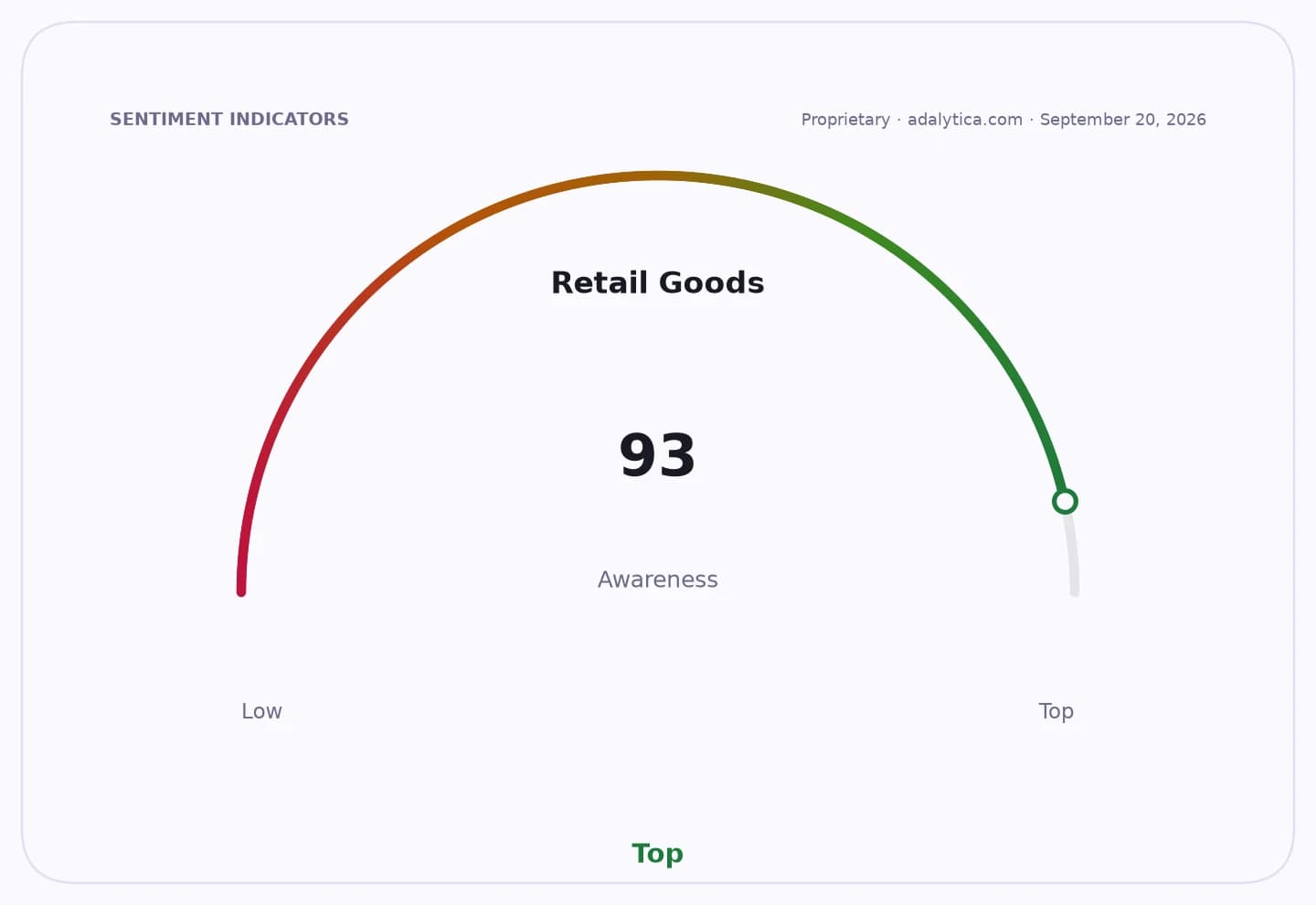
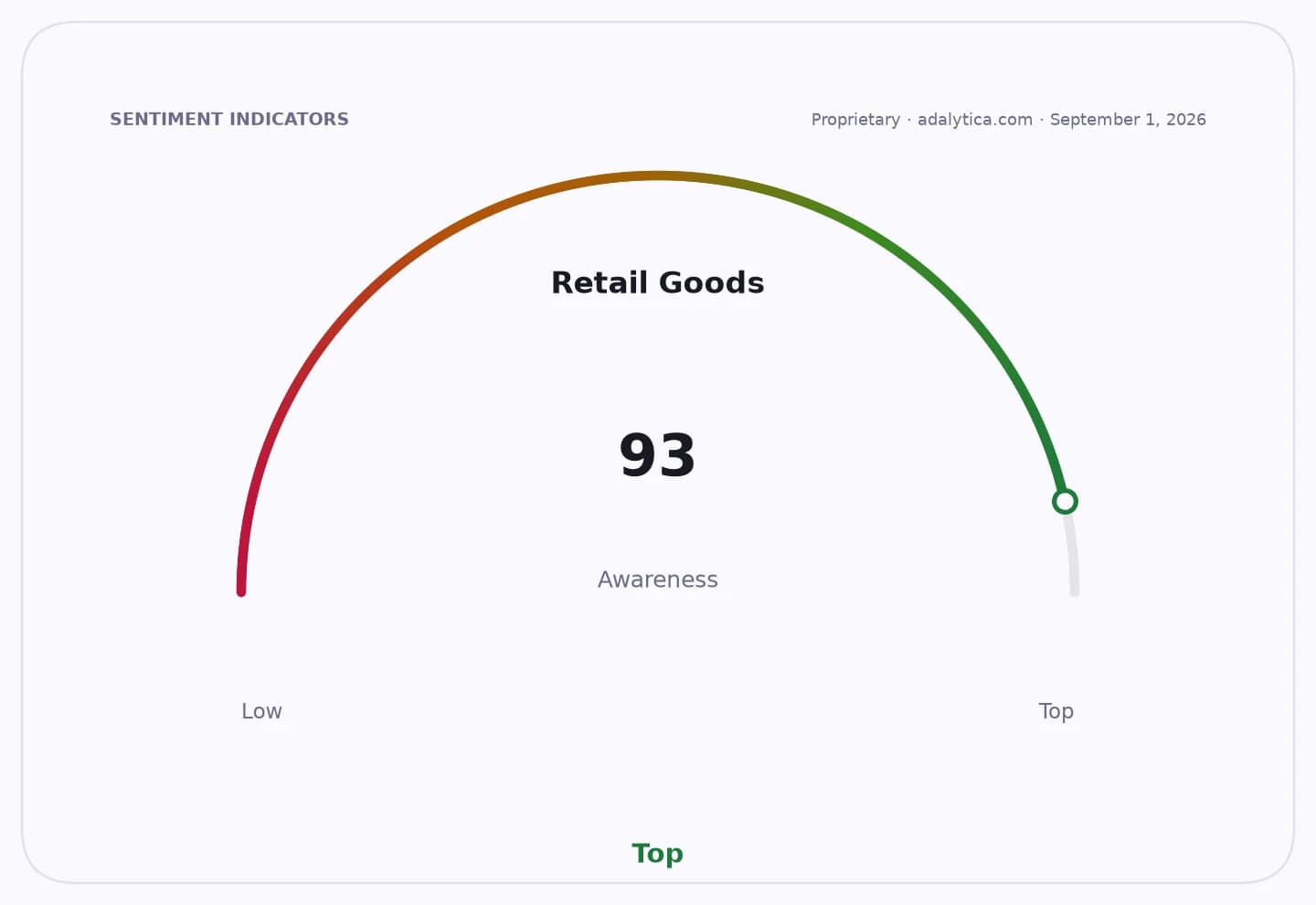
Sentiment IndicatorsⓘProprietary · adalytica.com · August 24, 2026
This is a snapshot — live sentiment, awareness and momentum for 130+ markets update continuously in the dashboard.Open AlphaPulse
For Amazon and Walmart-owned Flipkart, the changes offer a way to bolster take rates and offset the cost of logistics, promotions and customer acquisition during a peak-demand stretch. For smaller sellers, however, the timing raises the risk of lower profitability at the very moment they need to stock up and compete for visibility.
The backdrop is a cautious consumer environment. Adalytica’s consumer spending sentiment sits at 7, in “Extreme Fear,” while S&P 500 trade signals are also in “Fear,” underscoring a broader reluctance to spend even as retail goods sentiment is neutral. That makes marketplace fee hikes more sensitive, because merchants have less room to absorb higher costs without passing them on.
Amazon shares ended most recently at $261.94, well above the 200-day moving average of $238.39, but the stock remains volatile after a sharp run earlier this year. Investors will watch whether the fee changes support profitability without denting sales momentum into the holiday quarter.
The key question now is whether the platforms can extract more economics from sellers without hurting assortment or demand during the season that matters most.
| Entity | Gains | Losses |
|---|---|---|
| Amazon | ▲Higher marketplace take rate | ▼Seller pushback if costs rise too fast |
| Flipkart | ▲Better fee economics | ▼Merchant margins |
| Third-party sellers | ▲More sales volume in festive demand | ▼Higher fees and penalties |
| Consumers | ▲Wider festive assortment if sellers absorb costs | ▼Potentially higher prices |