Amazon’s Labor Day home-furnishings markdowns are landing in a fragile consumer backdrop, with shoppers chasing discounts as fuel costs and weaker spending sentiment threaten to blunt holiday demand.
Amazon Labor Day Furniture Discounts Drive Traffic

The best couch sales at Amazon, starting from $149, are part of a broader Labor Day push that has discounted mattresses, bedding, luggage and garden goods by as much as 87%. That matters because holiday promotions are no longer just a retail event; they are becoming a test of how much discretionary spending households can still direct toward big-ticket home purchases after a year of uneven confidence and higher everyday costs.
Sentiment IndicatorsⓘProprietary · adalytica.com · September 6, 2026
This is a snapshot — live sentiment, awareness and momentum for 130+ markets update continuously in the dashboard.Open AlphaPulse
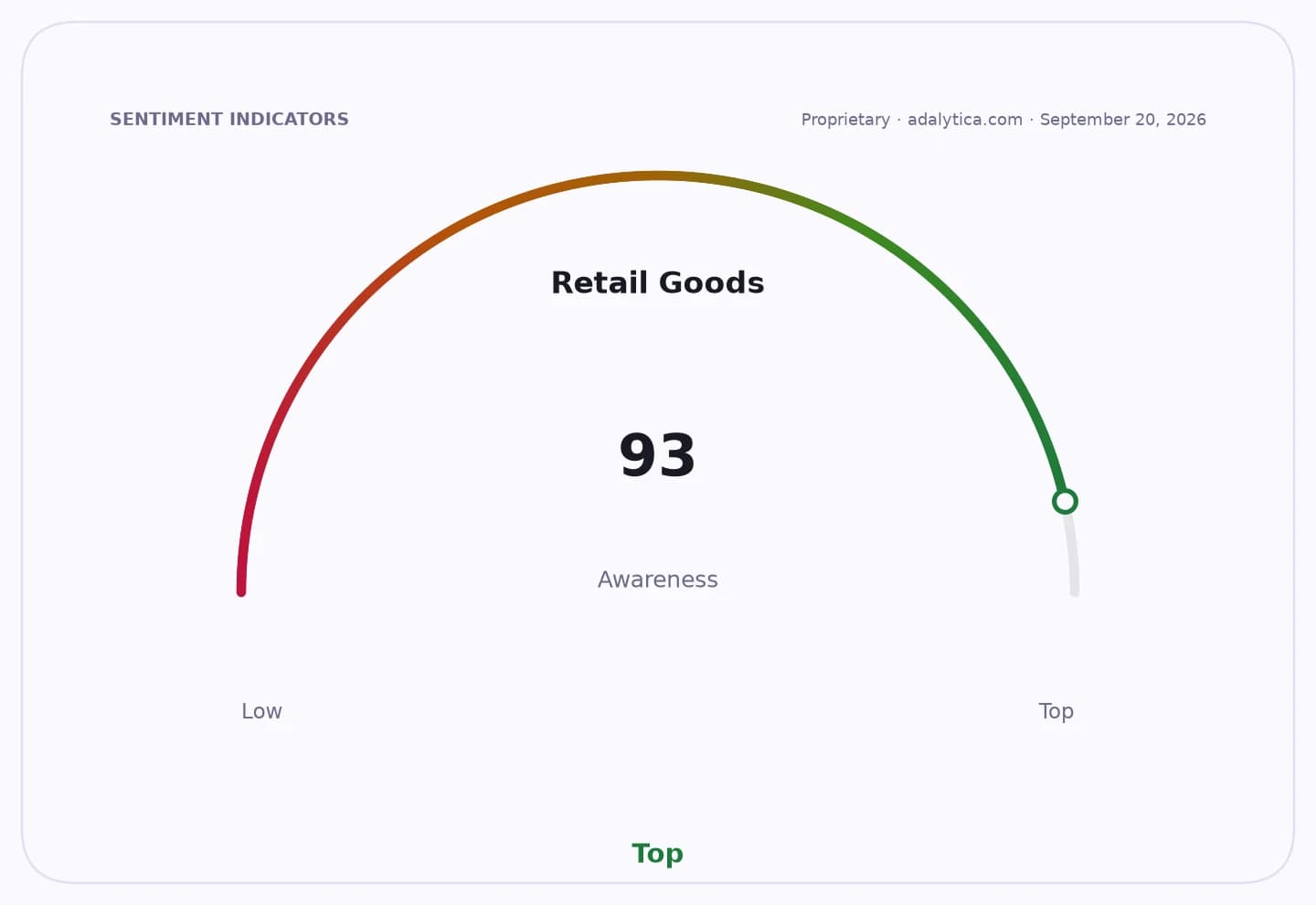
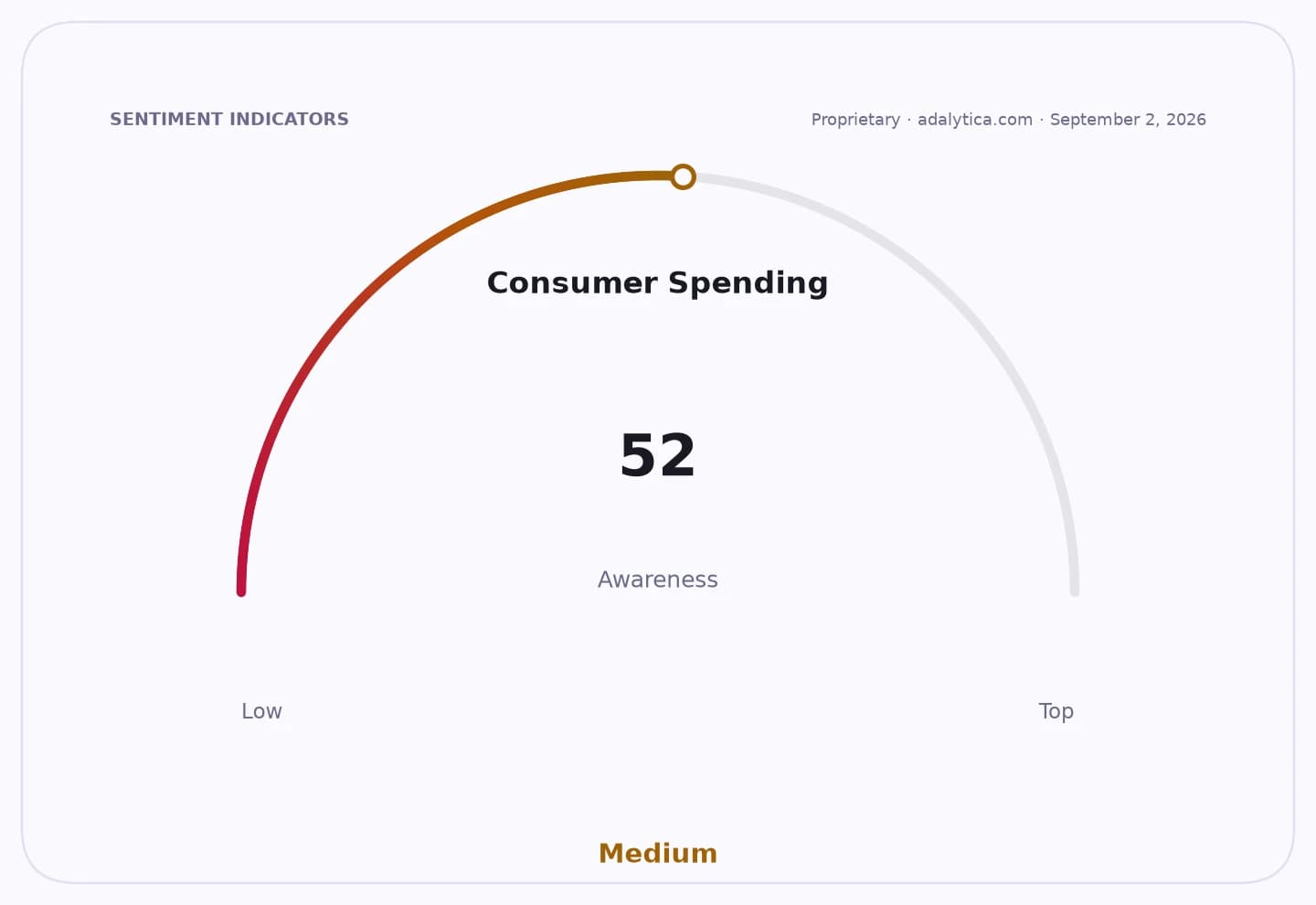
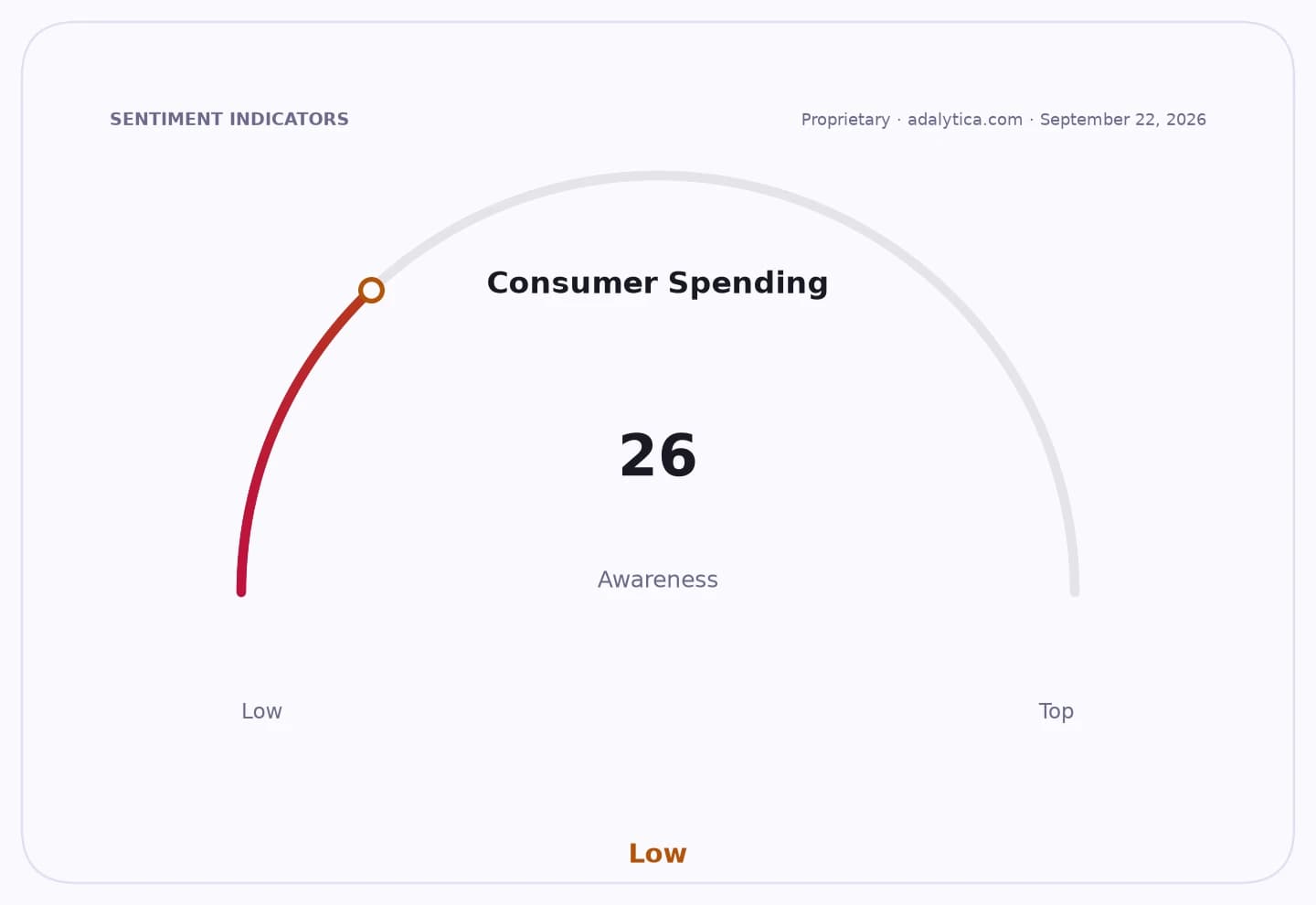
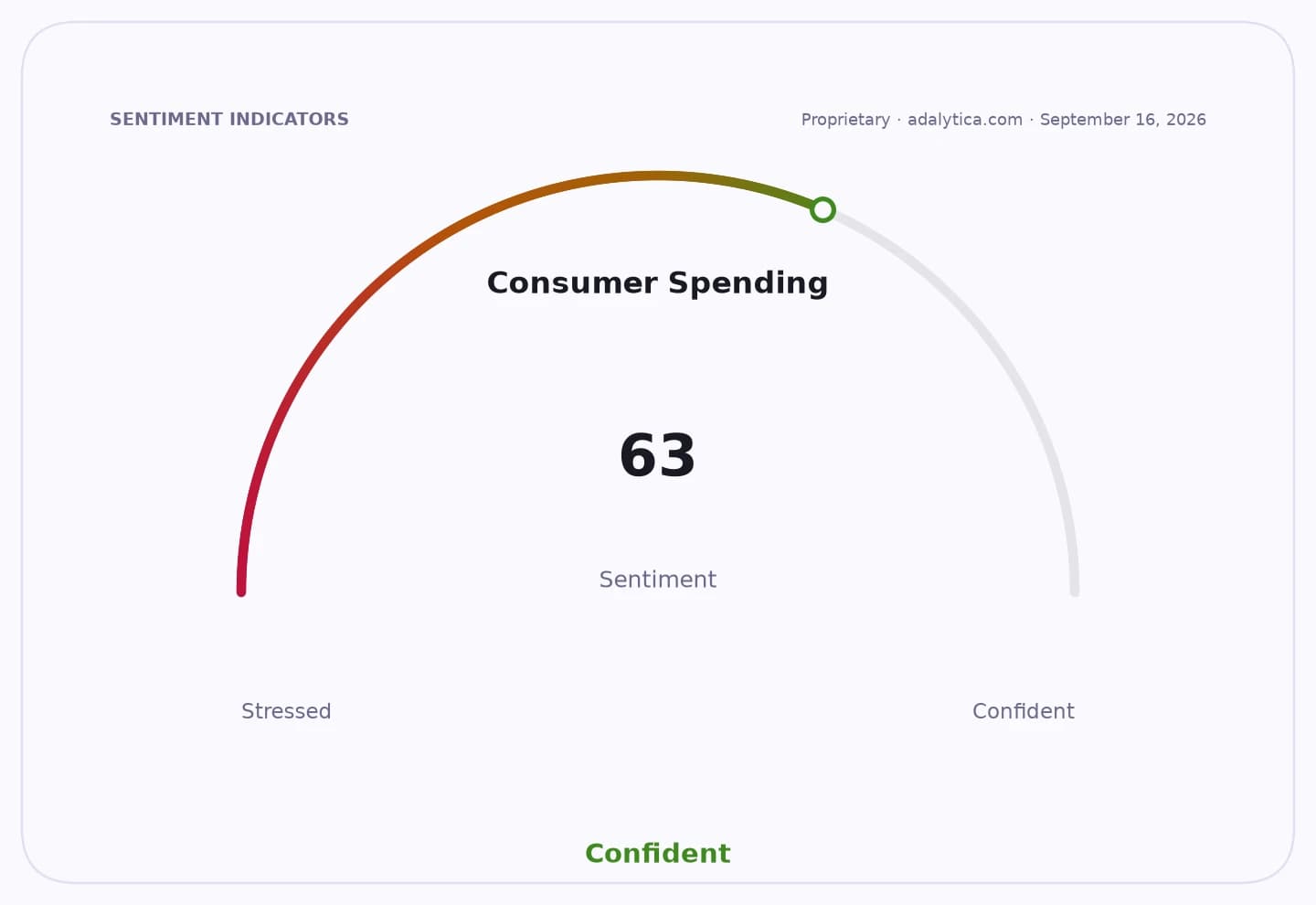
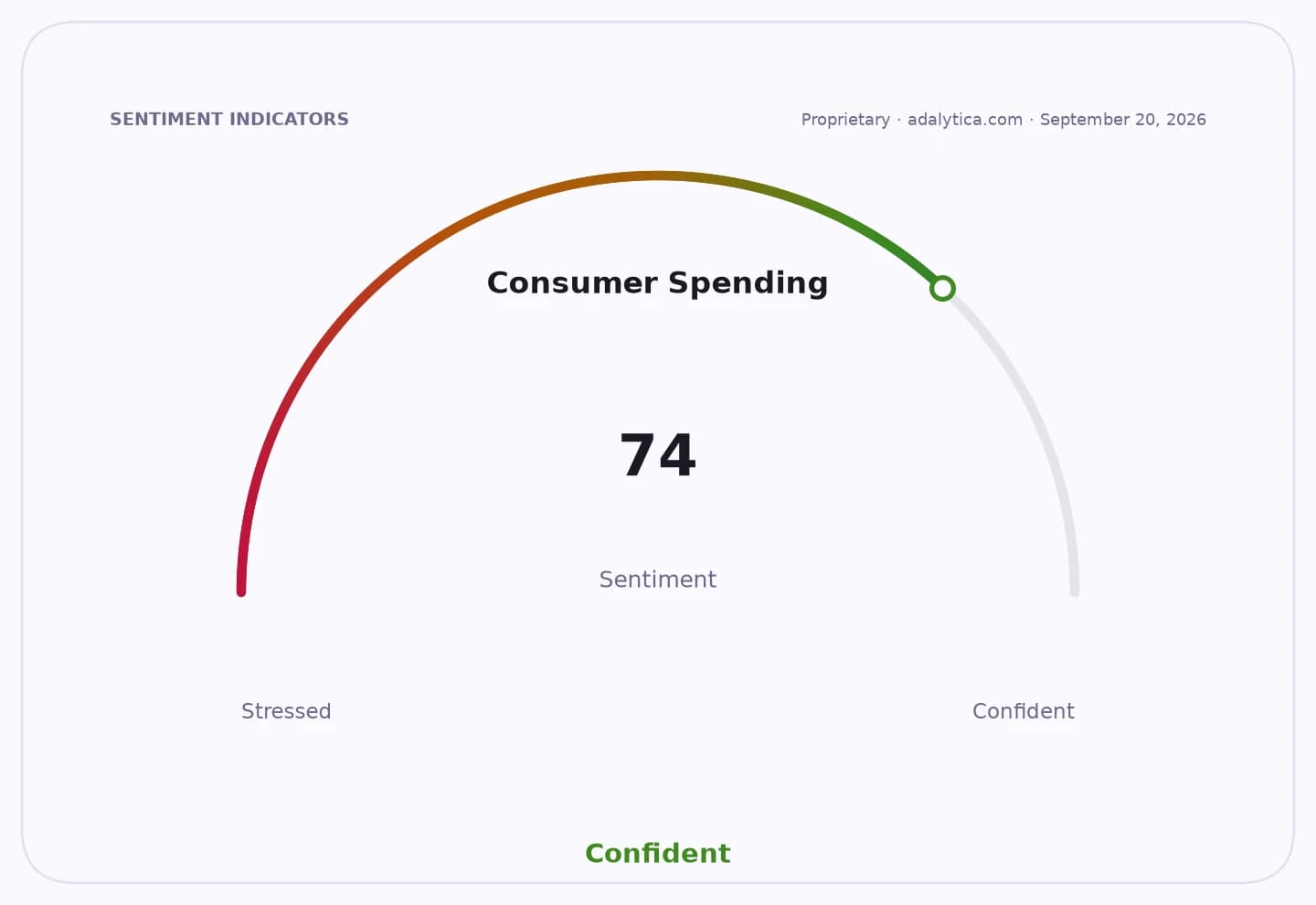
The timing is especially important. Adalytica’s consumer spending sentiment gauge sits in fear territory at 26, while its retail goods spending sentiment is also in fear at 22, suggesting shoppers remain highly price-sensitive even as they browse. At the same time, the S&P 500 trade-signal snapshot shows extreme fear, underscoring a market environment that is already leaning defensive. For retailers, that combination raises the stakes for Labor Day: strong promotions can support unit volumes, but only by giving up margin.
For Amazon, the appeal is strategic as well as seasonal. Deep furniture discounts help drive traffic into a category that typically benefits from larger baskets and delivery fees, while also reinforcing the platform’s role as a one-stop destination for value-seeking households. The bear case is that these deals simply reflect broader softness in discretionary demand, where consumers trade down rather than spend more. The bull case is that Amazon’s scale, logistics and marketplace model let it capture share even when shoppers are cautious, especially in categories where trusted fulfillment matters.
Retail Goods — 30-day sentimentadalytica.com
Explore this data interactively — full history, time series and cross-market comparisons.Open AlphaPulse
Investors will be watching whether the promotion-heavy weekend translates into sustained e-commerce volume or merely shifts demand forward. If fuel prices continue to weigh on travel and household budgets, Labor Day spending may favor essentials and home refreshes over higher-margin discretionary purchases. That would support traffic, but not necessarily profits, across retail. For Amazon, the key question is whether its holiday discounts are a demand catalyst or a sign that consumers still need bigger bargains to buy.
| Entity | Gains | Losses |
|---|---|---|
| Amazon | ▲Traffic and basket growth | ▼Gross margin |
| Price-sensitive shoppers | ▲Lower furniture prices | ▼Less room for premium purchases |
| Competing furniture retailers | ▲— | ▼Share to Amazon |
| Retail margins overall | ▲Inventory clearance | ▼Pricing power |